

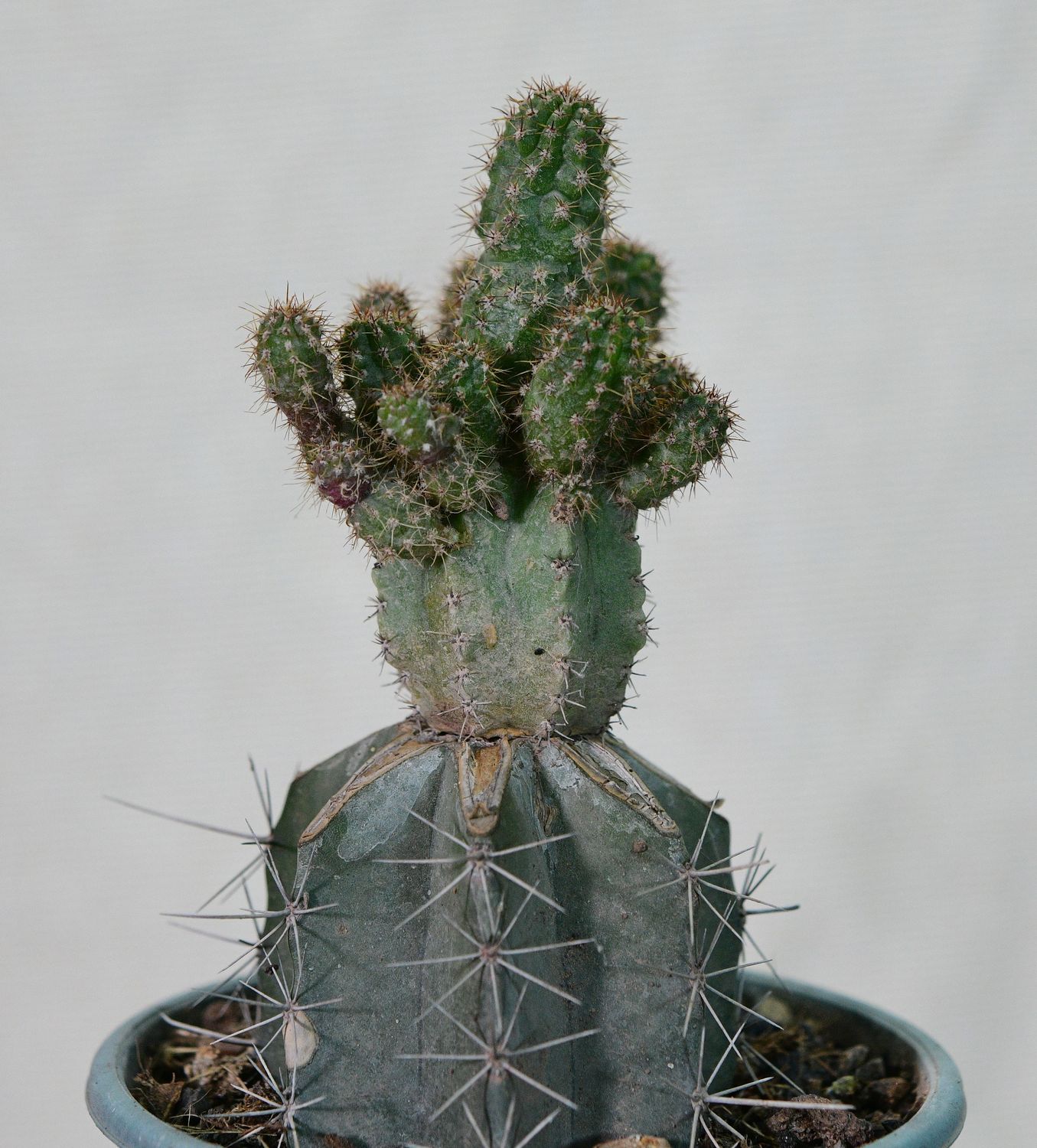
Chimera Acanthocerous X Echinopsis chocolate crest
Product Details
Grafted Freak: + Ortegocactus X Echinopsis 'Chocolate Crest' Chimera
A rare biological masterpiece featuring a mesmerizing fusion of two distinct genera in a dark, sculptural crest.
- Origin & History of Name: The term "Chimera" (often denoted by a plus sign '+') comes from Greek mythology, describing a creature made of different animal parts; in botany, it refers to a plant containing tissues from two genetically different species.
This specific hybrid arose from a grafting accident involving Acanthocereus (from the Greek akantha for thorn) and Echinopsis (from echinos for hedgehog). The "Chocolate" designation refers to the deep brownish-purple pigment of the epidermis, while "Crest" indicates its fasciated growth habit. - Morphology: This plant displays fasciation, where the growing point expands into a fan-like wave rather than a cylinder. The epidermis is a unique "chocolate" hue—a result of high anthocyanin levels. Because it is a graft-chimera, you may see a mosaic of characteristics: the tight, bumpy tubercles of the Ortegocactus parentage clashing with the vigorous, ribbed costae and spine structures of the Echinopsis partner, creating a textured, undulating surface.
- Habitat & Origin: This is an ultra-rare cultivar and cannot be found in the wild. It originated in specialized laboratories/nurseries, typically through a "graft-junction" mutation where a cell from the scion and stock merged to create a new, chimeric shoot. Our plants are propagated via cuttings from established mother plants, ensuring a 100% sustainable and ethical supply chain without wild poaching.
- Cultivation Profile:
- Substrate: Use a high-drainage mineral-based mix (80% coarse sand, pumice, or lava rock; 20% compost). In the Indian subcontinent, avoid heavy clay which retains lethal moisture during high humidity.
- Light: Requires filtered bright light. In the Indian summer, protect from direct 12 PM – 4 PM sun, as the dark pigment can absorb excess heat and lead to localized tissue collapse or "scorching."
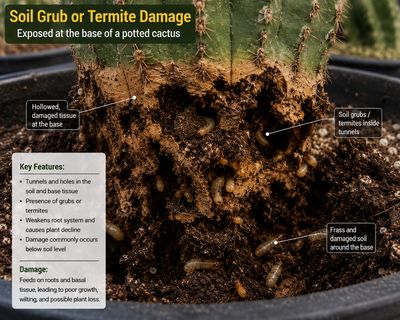
- Water/Dormancy: Water sparingly; let the medium dry completely between soakings. During the monsoon, keep the plant in a well-ventilated area to prevent fungal rot. In winter, reduce water significantly as the plant enters a semi-dormant state.
- Scientific/Historical Anecdote: Chimera cacti are the "accidents" of the botanical world. Unlike standard hybrids (created via pollen), a chimera can only occur at a physical graft union. In the early 20th century, these were often dismissed as mere deformities until scientists realized they were looking at two different sets of DNA living side-by-side in the same tissue layers—a living example of botanical symbiosis.
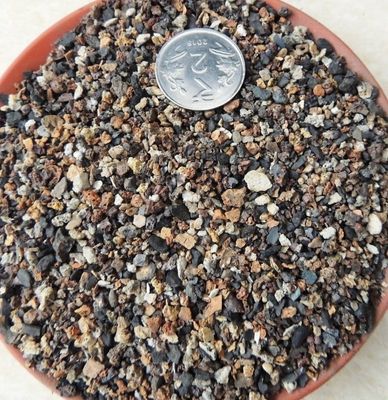
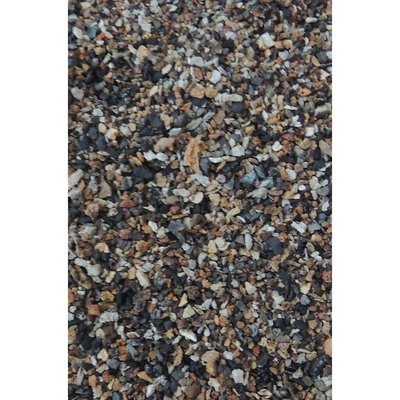
Cactus & Succulent Planting Mix FINE (aka Cactus Soil Mix or Succulent Soil Mix)
Cactus & Succulent Planting Mix FINE (aka Cactus Soil Mix or Succulent Soil Mix)
Fine-Grain Potting Mix for Cactus & Succulent Roots
SKU MNS001
₹39.85
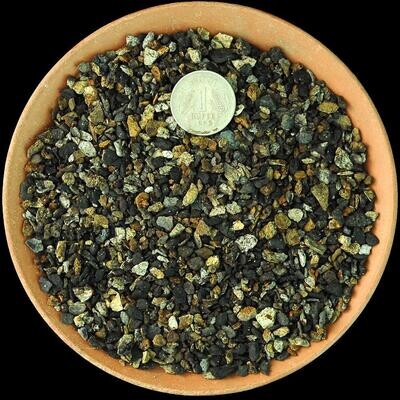
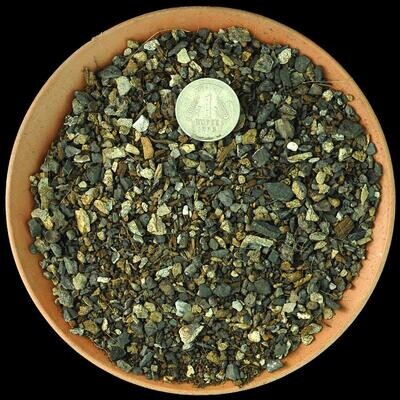
Cactus & Succulent Planting Mix COARSE (aka Cactus Soil Mix or Succulent Soil Mix)
Cactus & Succulent Planting Mix COARSE (aka Cactus Soil Mix or Succulent Soil Mix)
Washed, Free-Draining Mineral Mix for Cactus & Succulents
SKU MNS003
₹44.85
New
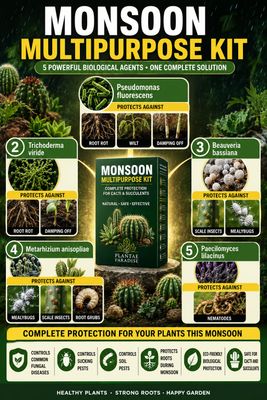
Monsoon Guardian Kit (5 in 1)
Monsoon Guardian Kit (5 in 1)
Complete 5-in-1 biological protection kit for cacti & succulents
SKU MNS024
₹850.00