

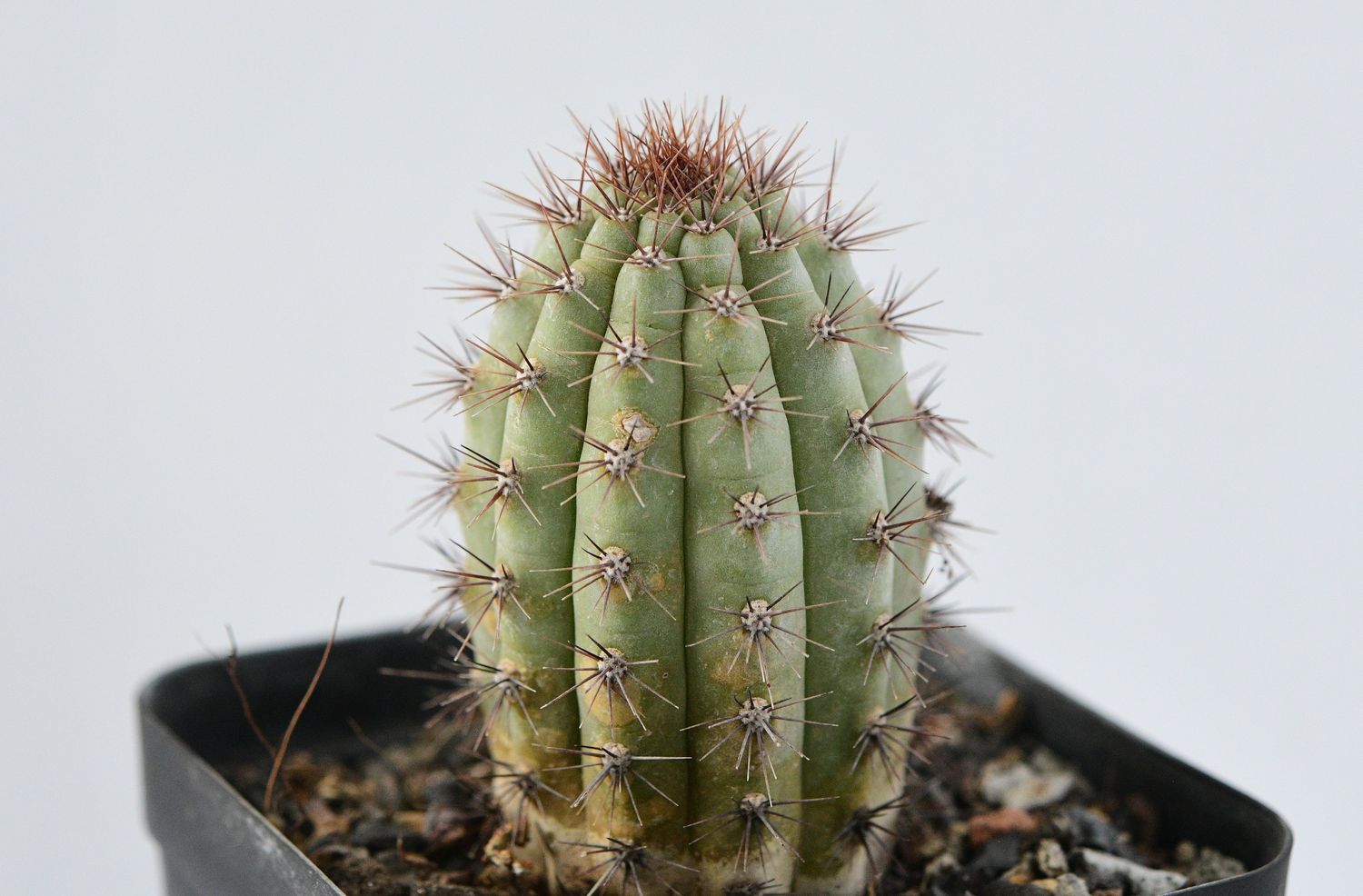
Cipocereus bradei "Blue Candle"
Product Details
The Ethereal Blue Architect: Cipocereus bradei
A rare living sculpture for the connoisseur, prized for its intense, wax-coated azure epidermis.
- Origin & History of Name: The genus name Cipocereus is derived from the Brazilian word "Cipó" (climbing vine/climbing plant) combined with "Cereus" (candle), though this species is distinctly upright. It was named in honor of Alexander Curt Brade (1881–1971), a German-Brazilian botanist who made significant contributions to the flora of Brazil.
- Morphology: This columnar cactus is defined by its smooth, glaucous epidermis, which produces a thick, powdery blue bloom (epicuticular wax) to reflect intense sunlight. It features 5 to 11 prominent costae (ribs) with sparsely placed areoles bearing dark, needle-like spines. Unlike many cacti, its skin remains remarkably clean and matte, giving it a minimalist, architectural appearance.
- Habitat & Origin: Cipocereus bradei is a wild species endemic to the state of Minas Gerais, Brazil.
- Cultivation Profile:
- Substrate: Use a strictly mineral-based mix. In the Indian context, a blend of 70% volcanic rock (pumice or crushed brick), 20% coarse sand, and 10% organic compost is ideal to prevent root rot during monsoon.
- Light: Requires full sun to partial shade. In high-temperature zones like North or Central India, provide bright filtered light during peak afternoon hours (12 PM – 4 PM) to prevent scorching the blue wax.
- Water/Dormancy: Water thoroughly only when the medium is bone-dry. During the monsoon and winter dormancy, withhold water almost entirely. Ensure high ventilation to manage ambient humidity.
- Scientific/Historical Anecdote: Recent phylogenetic studies have revealed that Cipocereus is one of the most primitive lineages within the tribe Cereeae. Its flowers are specifically adapted for chiropterophily (bat pollination), opening at night and producing a dilute nectar that attracts local bat species in the Brazilian highlands.
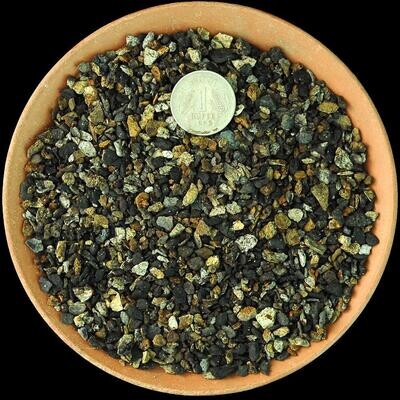
Cactus & Succulent Planting Mix COARSE (aka Cactus Soil Mix or Succulent Soil Mix)
Cactus & Succulent Planting Mix COARSE (aka Cactus Soil Mix or Succulent Soil Mix)
Washed, Free-Draining Mineral Mix for Cactus & Succulents
SKU MNS003
₹44.85
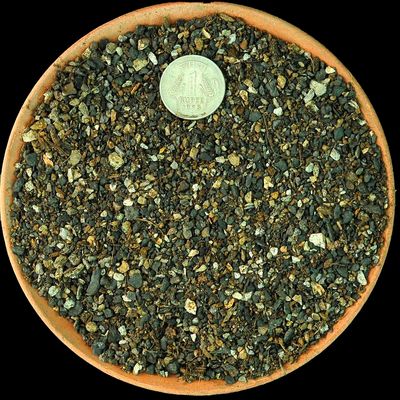

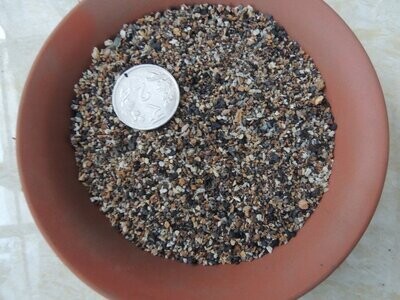
Cactus Seed Planting Mix
Cactus Seed Planting Mix
Sterile, Fine-Grain Media for Cactus & Succulent Seeds
SKU MNS005
₹74.85