Cipocereus bradei crest
Product Details
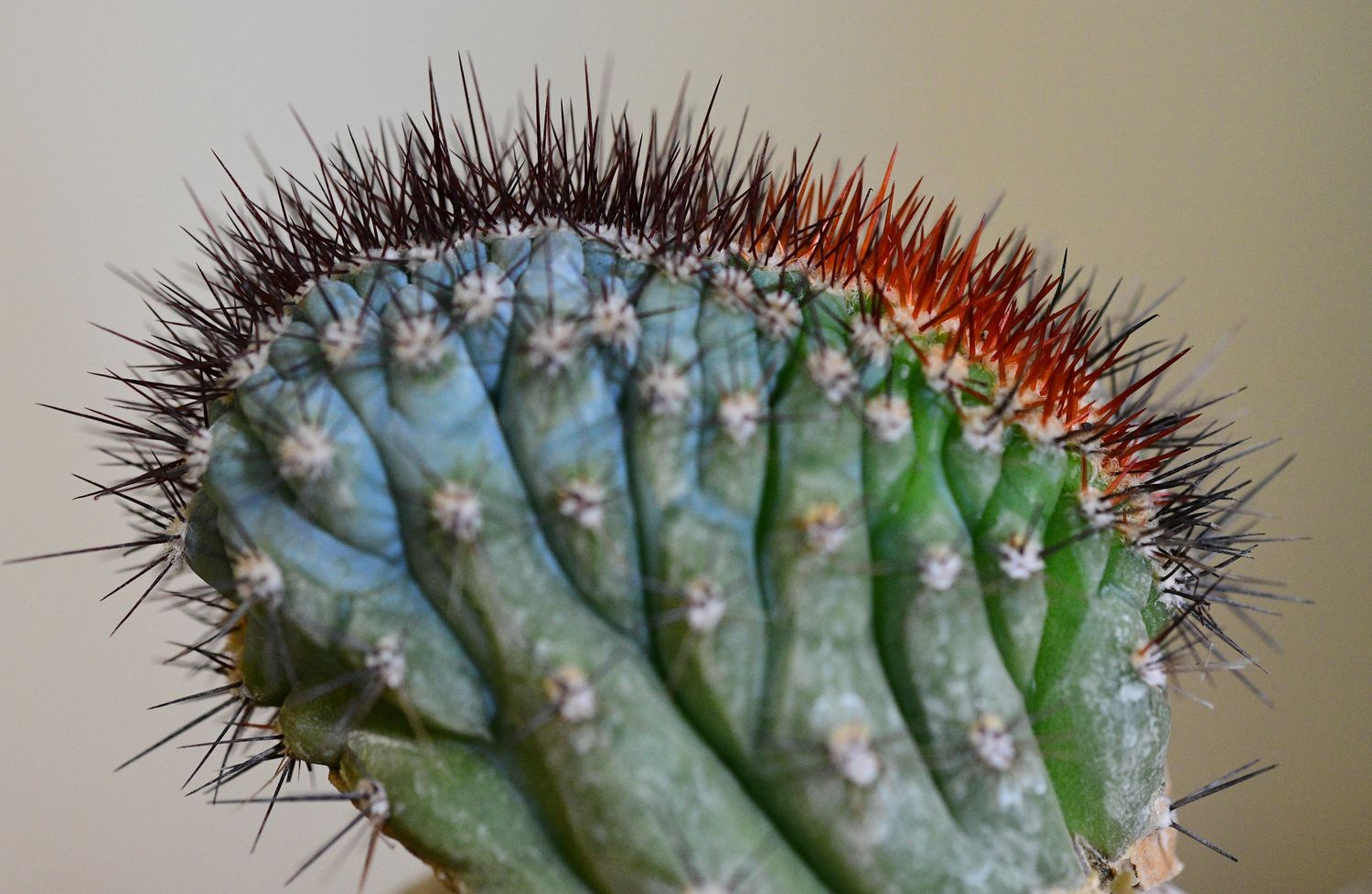
Cipocereus bradei (Crested Form)
A sculpted fan of powder-blue cactus. Cipocereus bradei is famous for its glaucous, sky-blue stems. In this rare crested form, those stems spread into a twisting wave of blue-grey ridges, so each plant grows into its own one-off sculpture. It comes from the quartzite mountains of Brazil’s diamond country.
Origin of Name
The genus Cipocereus is named after the Serra do Cipó in Minas Gerais, Brazil. The name joins the place with cereus, Latin for a wax candle or torch, a classic name for columnar cacti. German cactus explorer Friedrich Ritter separated the genus from Pilosocereus in 1979. He grouped together species with distinctive blue stems, flower buds and fruits.
The epithet bradei honours Alexander Curt Brade (1881–1971), a German botanist at the Rio de Janeiro Botanical Garden. He specialised in Brazilian and Costa Rican orchids and ferns.
Curt Backeberg and Otto Voll first published the plant as Pilocereus bradei in 1935, with a validating Latin description in 1942. It was moved between genera several times:
Cephalocereus (Borg, 1951)
Pilosocereus (Byles & Rowley, 1957)
Pseudopilocereus (Buxbaum, 1968)
In 1991 Daniela Zappi and Nigel Taylor placed it in Cipocereus, where it remains.
Synonyms: Pilocereus bradei, Cephalocereus bradei, Pilosocereus bradei, Pseudopilocereus bradei, Cereus bradei.
“Crest” (cristate) is not a botanical name. It describes a natural growth mutation in which the growing point stretches into a line instead of a single point, producing the fan or brain-like shape.
Origin of Plant
C. bradei is endemic to Minas Gerais, Brazil. It is found mainly around Diamantina in the Serra do Cabral and on the western slopes of the Serra do Espinhaço, at about 500–1,200 m. It grows among rocky quartzite outcrops in campo rupestre. In some places it shares its habitat with the rare Uebelmannia pectinifera var. eriocactoides. The species has one of the most restricted ranges of any cactus in cultivation.
Description
In the wild, the normal form is a branching shrub or small tree that can reach about 3.5 m, with stems 8–9 cm thick.
New growth is a strong glaucous blue and fades to greyish-blue with age. The colour comes from a waxy coating that slowly wears off as the stems mature.
Its black spines are short-lived and are often missing on older stems.
Crested form: The stem grows as a wavy, fan-shaped crest rather than a column. The crest folds and curls slowly into a unique sculpture, and the blue bloom shows especially well along the ridges. No two crests are alike.
Flowers: Nocturnal and up to about 7.5 cm long. They are blue on the outside and white inside, which is unusual among cacti. They are followed by round fruits covered in an intense blue wax over dark pulp. Crested plants flower much less often than normal columns.
Conservation Status
IUCN: Vulnerable. The 2017 assessment was an amended version of the 2013 assessment. The main threat is habitat loss within its very small range.
CITES: Appendix II, like all Cactaceae not listed in Appendix I. Crested forms are still covered by Appendix II, so international trade requires permits.
Our plants: Nursery-propagated. Crests are produced by propagation in cultivation, never collected from the wild.
Care
Light: Bright light with some protection from the harshest summer sun; 30–40% shade cloth works well in peak heat. Good light keeps the blue colour strong and the crest compact.
Watering: Water thoroughly, then let the mix dry out completely. The folds of a crest can hold moisture and rot, so water at the base, not over the top. Reduce watering in winter and be careful during monsoon humidity.
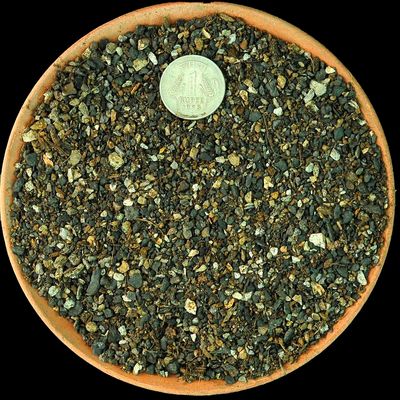
Soil: A very gritty, mineral-rich mix, for example cactus mix with plenty of pumice, perlite or coarse sand. This matches its rocky quartzite home.
Pot: A shallow pot with drainage holes, sized to the crest. Terracotta helps the mix dry faster.
Temperature: A warm-growing tropical cactus. Keep it above about 8–10°C and protect it from cold winter nights in North India.
Feeding: Use a diluted, low-nitrogen cactus fertiliser two or three times during the warm growing season.
Handling: Do not rub the stems. Touch and water marks the blue wax permanently.
Crest tip: If a normal columnar shoot appears, cut it off. Left in place, it can outgrow the crest and the plant may revert.
A Story Worth Telling
This cactus was formally described without a preserved specimen. When Zappi and Taylor reviewed the cacti of eastern Brazil in 2004, they chose a photograph as its type: the 1935 image published by Backeberg and Voll. For decades the plant’s identity rested on that single picture. In 1973, Dutch cactus explorer A.F.H. Buining published a cautious article asking whether the plant found in Minas Gerais was really the long-lost bradei. It was, and Diamantina’s blue cactus has since become one of the best-known Cipocereus in cultivation.
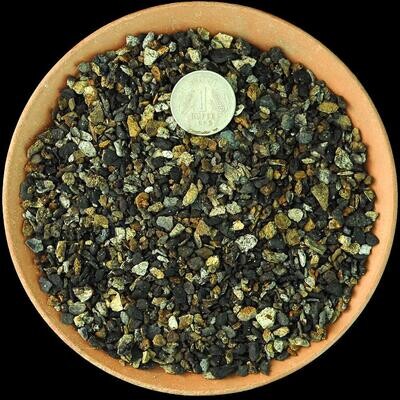
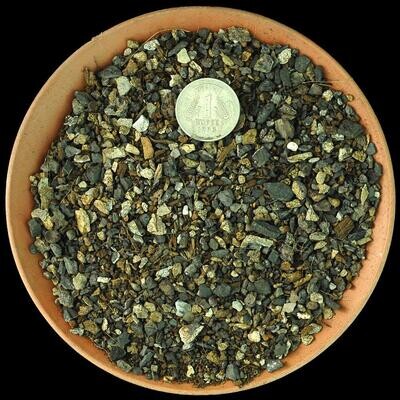
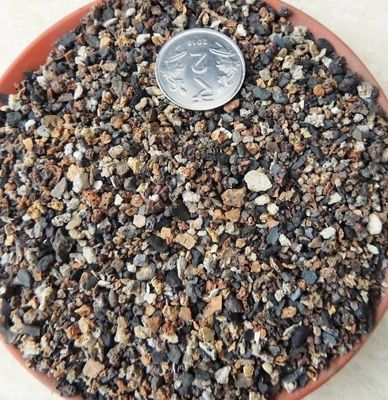
Cactus & Succulent Planting Mix COARSE (aka Cactus Soil Mix or Succulent Soil Mix)
Cactus & Succulent Planting Mix COARSE (aka Cactus Soil Mix or Succulent Soil Mix)
Washed, Free-Draining Mineral Mix for Cactus & Succulents
SKU MNS003
₹44.85
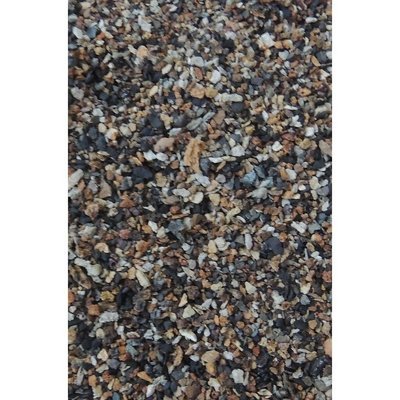
Cactus & Succulent Planting Mix FINE (aka Cactus Soil Mix or Succulent Soil Mix)
Cactus & Succulent Planting Mix FINE (aka Cactus Soil Mix or Succulent Soil Mix)
Fine-Grain Potting Mix for Cactus & Succulent Roots
SKU MNS001
₹39.85