

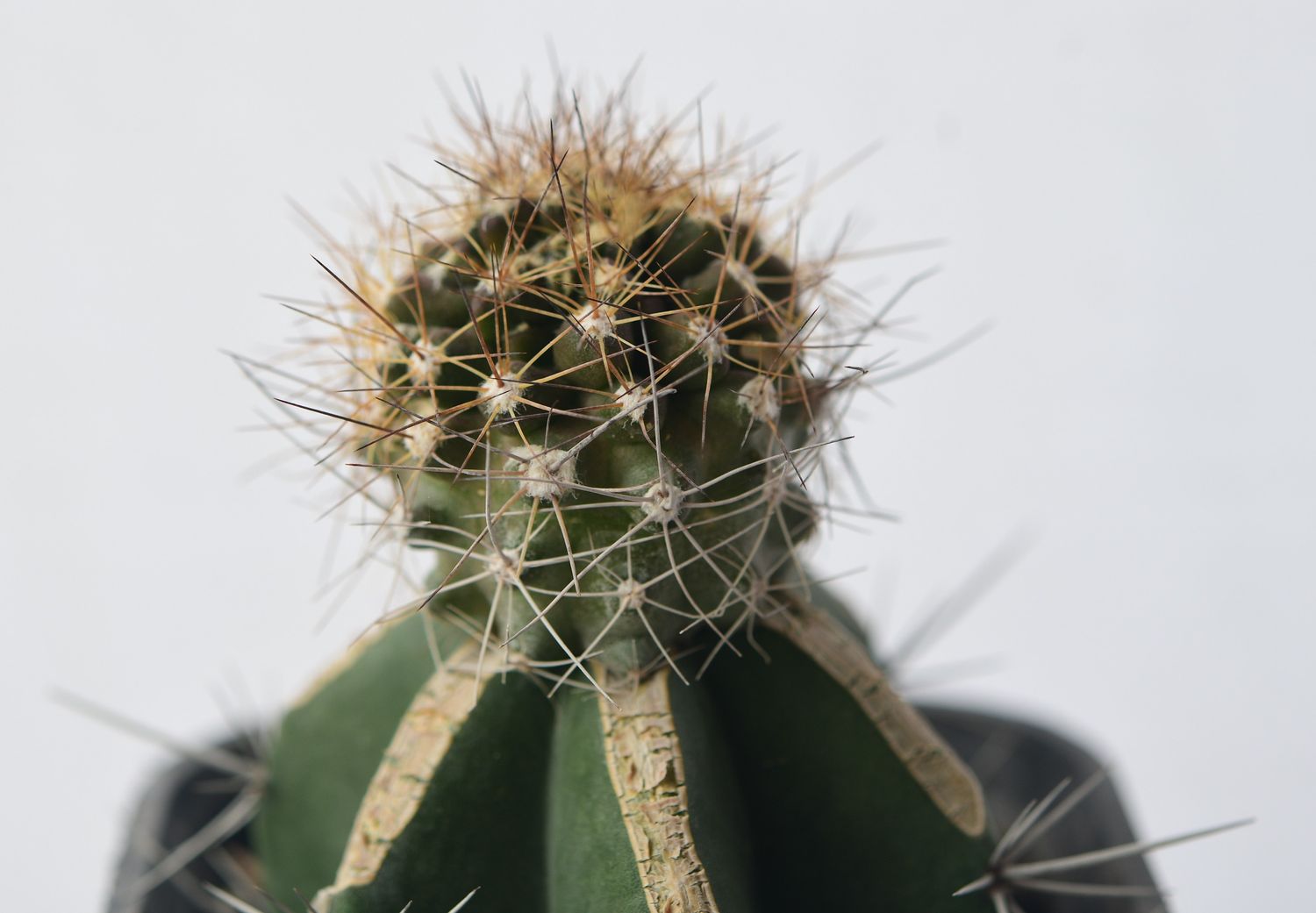
Copiapoa paposoensis
Product Details
Coastal Sentinel: Copiapoa paposoensis
An architectural masterpiece for the connoisseur, this rare Chilean succulent embodies the rugged elegance of the Atacama Desert.
- Origin & History of Name The genus name Copiapoa is derived from the province of Copiapó in northern Chile, where many species occur. The specific epithet paposoensis refers directly to its type locality: Paposo, a coastal village in the Antofagasta Region.
- Morphology This species is characterized by a globose to short-cylindrical epidermis that transitions from a deep olive green to a dusty bronze when exposed to high light. It features distinct costae (ribs) that are often tuberculate, providing a geometric texture. The areoles are typically felted, sprouting short, dark radial spines that contrast sharply against the skin. Unlike many cacti, its beauty lies in its compact symmetry and slow-growing, solitary habit.
- Habitat & Origin Copiapoa paposoensis is a wild species endemic to the extremely arid coastal cliffs of northern Chile.
- Cultivation Profile (Indian Subcontinent)
- Substrate: Requires a strictly mineral-based mix. Use a ratio of 70% inorganic material (pumice, crushed brick, or perlite) and 30% organic matter to prevent root rot in humid Indian climates.
- Light: Thrives in bright, indirect sunlight.
- Water/Dormancy: Apply the "soak and dry" method during the growing season. In the monsoon, keep the plant completely dry to avoid fungal issues. This species enters a semi-dormant state during the peak heat of May and the coldest weeks of January; withhold water during these periods.
- Scientific/Historical Anecdote Members of the Copiapoa genus are biological marvels known as "fog-feeders." In their native habitat, rainfall may not occur for years. Instead, they have evolved to absorb moisture from the Camanchaca—a thick coastal fog that rolls in from the Pacific.
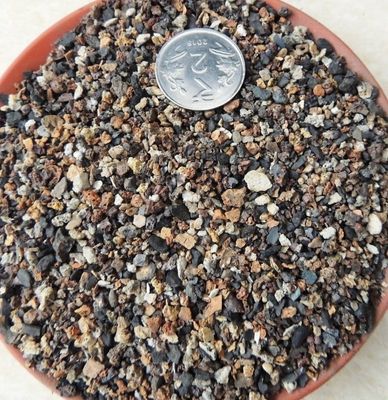
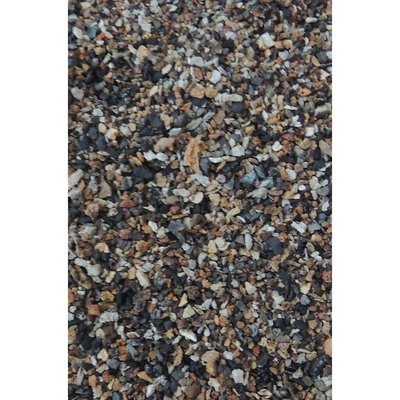
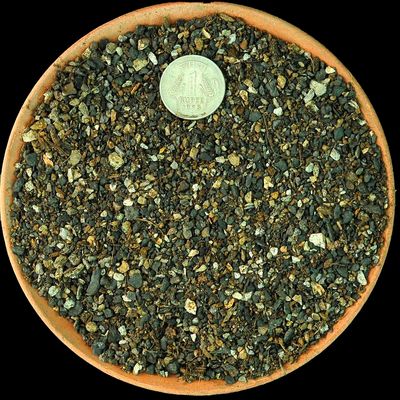
Cactus & Succulent Planting Mix FINE (aka Cactus Soil Mix or Succulent Soil Mix)
Cactus & Succulent Planting Mix FINE (aka Cactus Soil Mix or Succulent Soil Mix)
Fine-Grain Potting Mix for Cactus & Succulent Roots
SKU MNS001
₹39.85
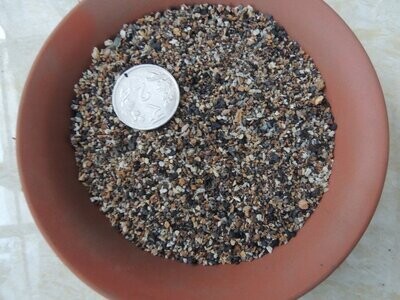
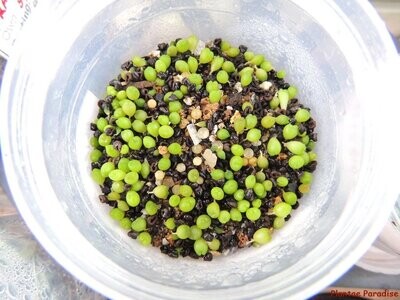
Cactus Seed Planting Mix
Cactus Seed Planting Mix
Sterile, Fine-Grain Media for Cactus & Succulent Seeds
SKU MNS005
₹74.85
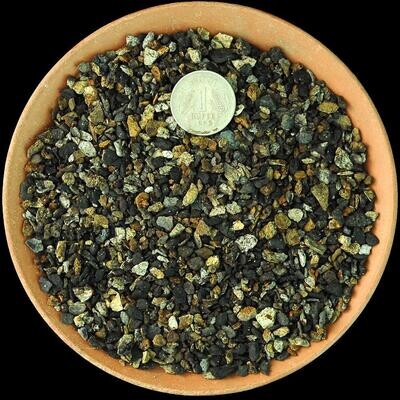
Cactus & Succulent Planting Mix COARSE (aka Cactus Soil Mix or Succulent Soil Mix)
Cactus & Succulent Planting Mix COARSE (aka Cactus Soil Mix or Succulent Soil Mix)
Washed, Free-Draining Mineral Mix for Cactus & Succulents
SKU MNS003
₹44.85