

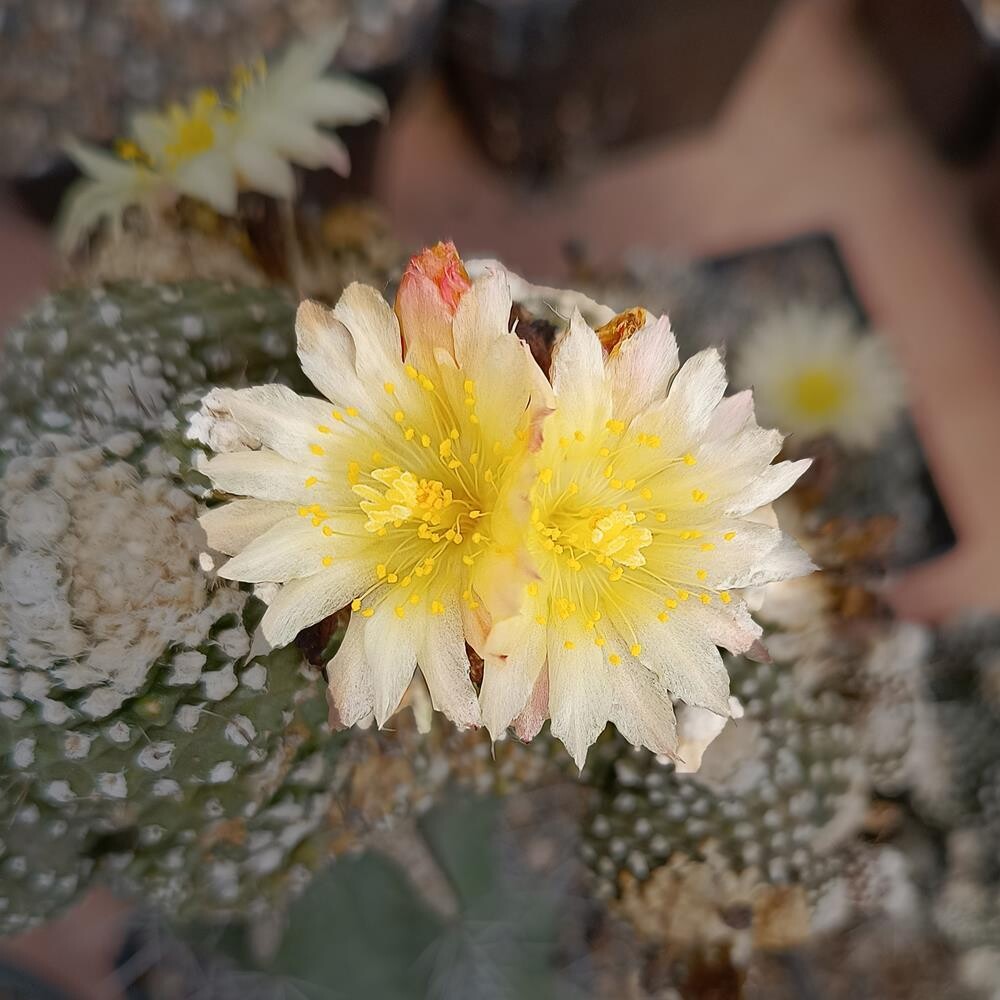
Copiapoa tenuissima F. Monstruosa
Product Details
Obsidian Outlier: Copiapoa tenuissima f. monstruosa
A coveted, slow-growing masterpiece featuring a dark, sculptural form and unique genetic mutation.
- Origin & History of Name: The genus Copiapoa is named after the province of Copiapó in northern Chile, where the plants originate.
The specific epithet tenuissima is Latin for "very thin" or "slender," originally referring to the delicate spines of the type species. The form name monstruosa denotes a specific genetic mutation where the plant’s growth points (meristems) are disordered, leading to an irregular, clumping habit rather than a single symmetrical stem. - Morphology: This form is characterized by a nearly black to dark purple epidermis, a color adaptation for heat absorption. As a monstrose variant, it lacks the standard defined costae (ribs), instead forming a dense, knobby cluster of small globose heads. The areoles are tiny and produce short, dark spines, while the plant’s slow growth results in a highly textured, coral-like aesthetic.
- Habitat & Origin: While the species Copiapoa tenuissima is native to the coastal hills of Antofagasta, Chile, this specific monstruosa form is a selected cultivar stabilized in cultivation.
Because wild Copiapoa are highly endangered and strictly protected by CITES, our specimens are exclusively nursery-propagated via offsets or grafting to ensure environmental sustainability. - Cultivation Profile:
- Substrate: Requires a heavy mineral-based mix (80% porous grit like scoria or pumice, 20% organic). Avoid peat, which retains too much moisture for the Indian monsoon season.
- Light: Thrives in full morning sun to maintain its dark coloration. In the Indian subcontinent, provide filtered light or 50% shade cloth during peak afternoon hours in summer to prevent tissue damage.
- Water/Dormancy: Water sparingly; the plant is highly rot-prone.
In India, keep dry during the peak of the monsoon. Winter (November–February) is a period of strict dormancy; withhold water entirely to mimic the dry Atacama fog-cooled environment.
- Scientific/Historical Anecdote: Copiapoa species are biological wonders that survive in the Atacama Desert—the driest place on Earth—primarily by "drinking" fog. Scientists have discovered that their dark pigmentation isn't just for show; it helps the plant efficiently manage the extreme temperature fluctuations between the scorching desert sun and the freezing coastal nights.
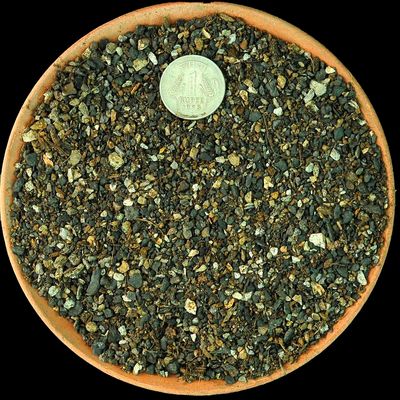


Cactus & Succulent Planting Mix FINE (aka Cactus Soil Mix or Succulent Soil Mix)
Cactus & Succulent Planting Mix FINE (aka Cactus Soil Mix or Succulent Soil Mix)
Fine-Grain Potting Mix for Cactus & Succulent Roots
SKU MNS001
₹39.85
New
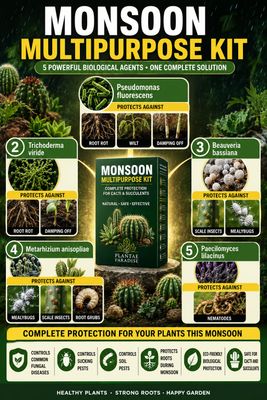
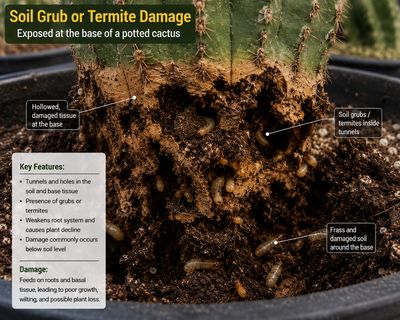
Monsoon Guardian Kit (5 in 1)
Monsoon Guardian Kit (5 in 1)
Complete 5-in-1 biological protection kit for cacti & succulents
SKU MNS024
₹850.00