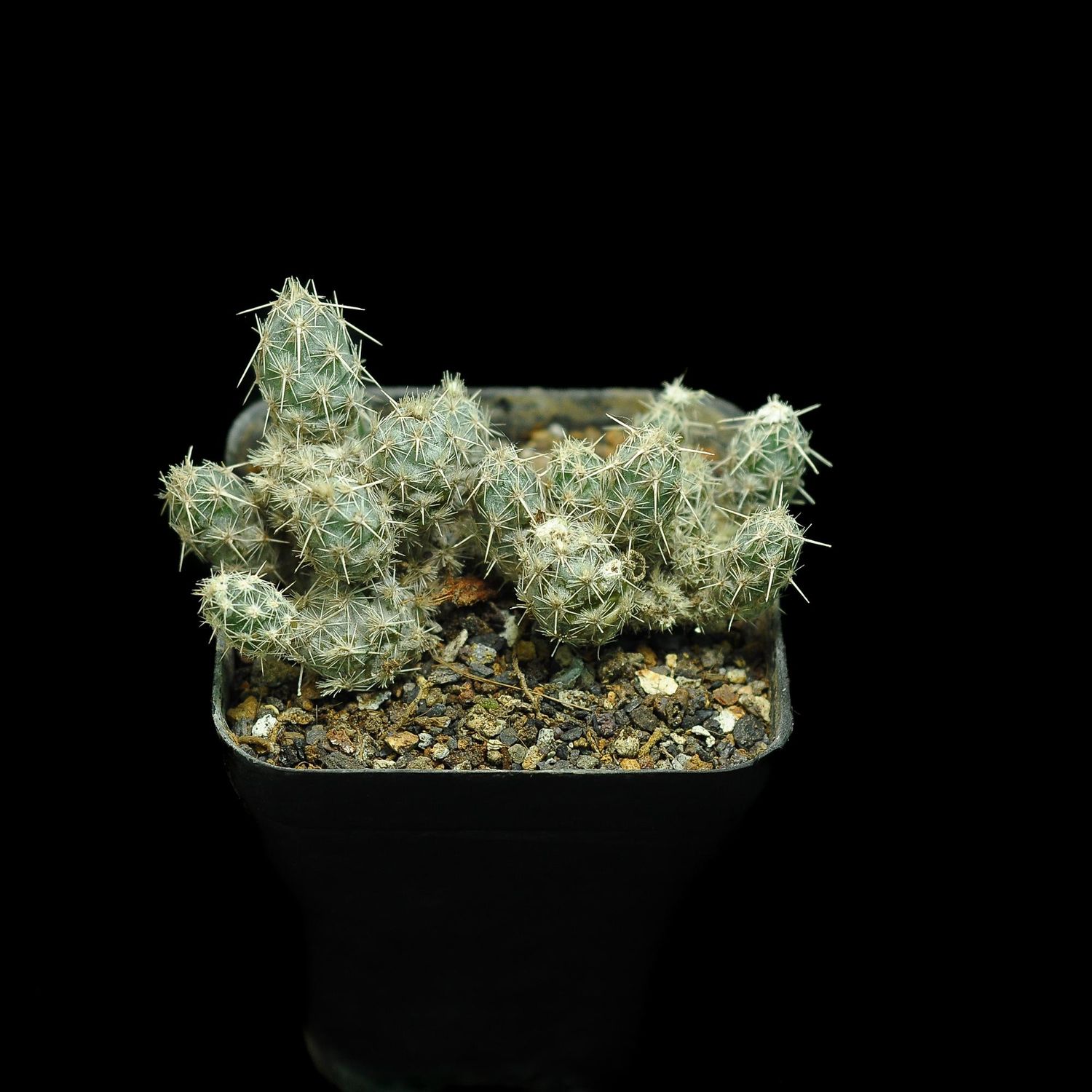
Same plant as shown will be sent.
Although we will endeavor to pack carefully but sometimes the nodes may break off in transit. However, they can be rooted easily.
Origin of Name
The genus name "Corynopuntia" is derived from the Greek words "koryne," meaning club or mace, and "Opuntia," the genus from which this group was separated, referring to the club-shaped spines that are characteristic of these plants. The species name "bulbispina" combines the Latin words "bulbis," meaning bulb or swelling, and "spina," meaning spine, highlighting the bulbous base of the spines, a key identification feature of this species.
Technical Description of Plant
Corynopuntia bulbispina is recognized for its segmented growth, with cylindrical to slightly flattened stems (cladodes) that branch out to form a dense, shrubby structure. The plant's surface is adorned with areoles from which emerge the distinctive bulbous-based spines, giving the plant its spiky texture and appearance. These spines can vary in color from yellow to reddish-brown. Corynopuntia bulbispina blooms in late spring to early summer, producing vibrant yellow flowers that contrast beautifully with its spiny backdrop. The fruits are dry when mature, unlike the fleshy fruits of many other cacti.
Origin of Plant
Corynopuntia bulbispina is native to the deserts of the Southwestern United States and Northern Mexico. It thrives in arid environments, demonstrating remarkable adaptability to hot, dry climates by storing water in its succulent stems and reducing water loss through its spiny surface.
Conservation Status
Currently, Corynopuntia bulbispina does not have a specific conservation status and is not listed as threatened. However, habitat destruction and climate change pose potential threats to its natural populations, making conservation efforts important for this and other desert species.
Care Instructions
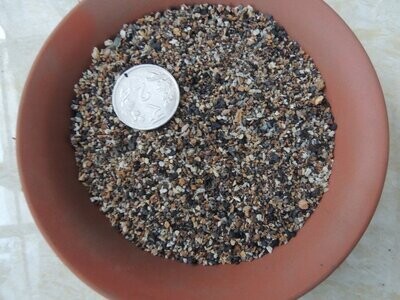
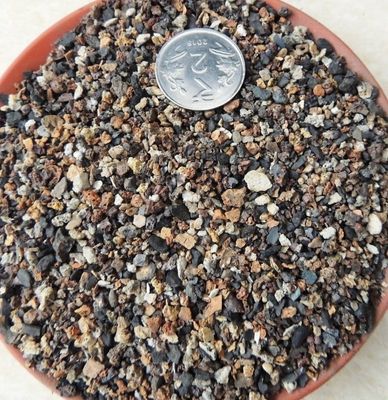
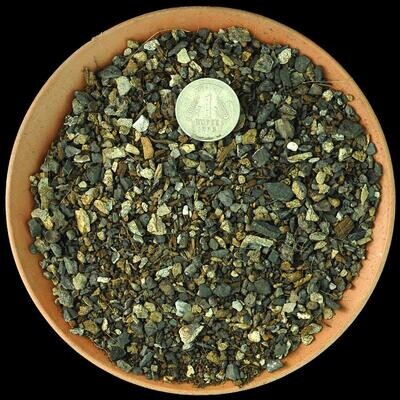
Corynopuntia bulbispina requires a sunny position to thrive and prefers well-draining soil typical of cactus potting mixes. Water sparingly, allowing the soil to dry completely between waterings, and reduce watering frequency during the winter months to prevent root rot. This plant is cold-tolerant to a degree but should be protected from frost to prevent damage to the stems. When handling Corynopuntia bulbispina, use caution due to its spines; protective gloves are recommended.
Corynopuntia bulbispina is a fascinating addition to any cactus collection or desert garden, offering visual interest with its unique spine structure and vibrant blooms. Its care requirements are minimal, making it well-suited for gardeners interested in drought-tolerant landscaping or those seeking to add an exotic touch to their indoor plant collection.