1. Origin of Name:
The genus "Coryphantha" comes from Greek roots—"koryne," meaning "club," and "phantha," meaning "flower"—referring to the club-shaped tubercles and the flowering habit of these cacti. The species name "calipensis" is derived from the location where the plant was discovered, Calipensis, a region or locality in Mexico. Known as a beautiful and distinctive species, Coryphantha calipensis’s name highlights its native origin and unique morphology, emphasizing its status as a special desert cactus.
2. Origin of Plant:
Coryphantha calipensis is native to the arid, rocky deserts of northern Mexico, particularly in the regions around Calipensis. It typically grows in well-drained, rocky soils in rugged slopes and desert plains. Discovered during botanical explorations of Mexican desert flora, this species embodies the resilience and beauty of plants adapted to extreme drought and intense sunlight.
3. Description:
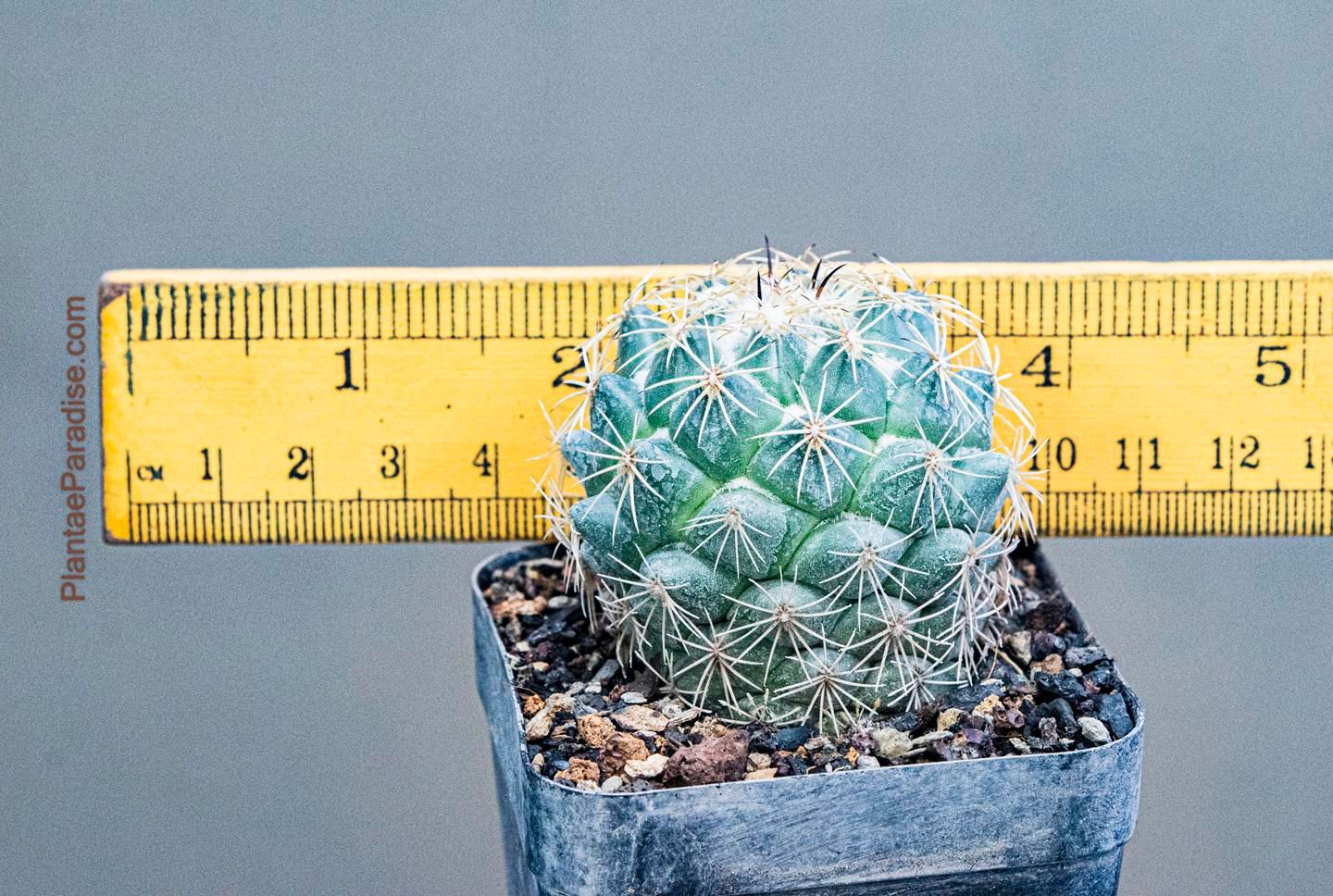
This small, globular cactus measures approximately 2-4 inches in diameter, with a distinctive body that features rounded, tubercled ridges. The tubercles are often arranged symmetrically and can be slightly pointed or blunt. Its surface is covered with fine spines, usually white or yellowish, radiating from the tips of the tubercles. In spring or early summer, large, showy flowers emerge at the crown—typically in shades of yellow, orange, or pink—adding a vibrant splash of color against its textured body. Its compact form and striking floral display make it a charming specimen for collectors.
4. Conservation Status:
While not critically endangered, Coryphantha calipensis is considered a rare species with limited distribution, and habitat loss and over-collection pose conservation concerns. Supporting responsible cultivation and propagation help protect wild populations and ensure its continued presence in cultivated collections.
5. Care:
To grow Coryphantha calipensis successfully:
- Watering: Water sparingly, allowing the soil to dry out completely between waterings. Reduce watering significantly during winter.
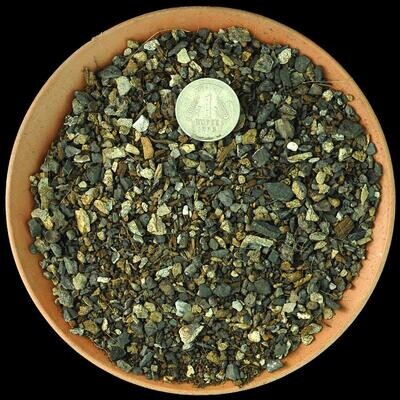
- Soil: Use a well-draining cactus or succulent soil with added coarse sand or gravel for proper drainage.
- Light: Needs full sun or very bright, direct sunlight for at least 4-6 hours daily to promote healthy growth and flowering.
- Temperature: Prefers warm temperatures between 65°F (18°C) and 85°F (29°C). Protect from frost—bring indoors or provide winter cover in cooler climates.
- Tips: Fertilize lightly during the active growing season with a cactus fertilizer. Regularly inspect for pests like scale insects and mealybugs.