1. Origin of Name:
The genus "Coryphantha" is derived from Greek roots—"koryne," meaning "club," and "phantha," meaning "flower"—referring to the club-shaped tubercles and the plant’s characteristic growth. The species name "elephantidens" translates from Latin to "elephant teeth," describing the prominent, tusk-like tubercles that give the plant its distinctive appearance. The cultivar name "Tanshi Zougemaru Inermis" is a special horticultural variety, with "Inermis" meaning "unequipped" or "without spines" from Latin, highlighting this cultivar’s notable feature: its lack of spines or minimal spination. This variety is prized for its unusual, smooth, and almost "handleless" appearance, reminiscent of a toothy, smooth elephant tusk.
2. Origin of Plant:
This cultivar is a cultivated variety, often developed through selective breeding or propagation in specialized collections, particularly in Japan or other regions focused on unique cactus cultivars. It originates from the natural species Coryphantha elephantidens, native to northern Mexico, especially around the states of Durango and Coahuila, where it grows in rocky, arid desert terrains.
3. Description:
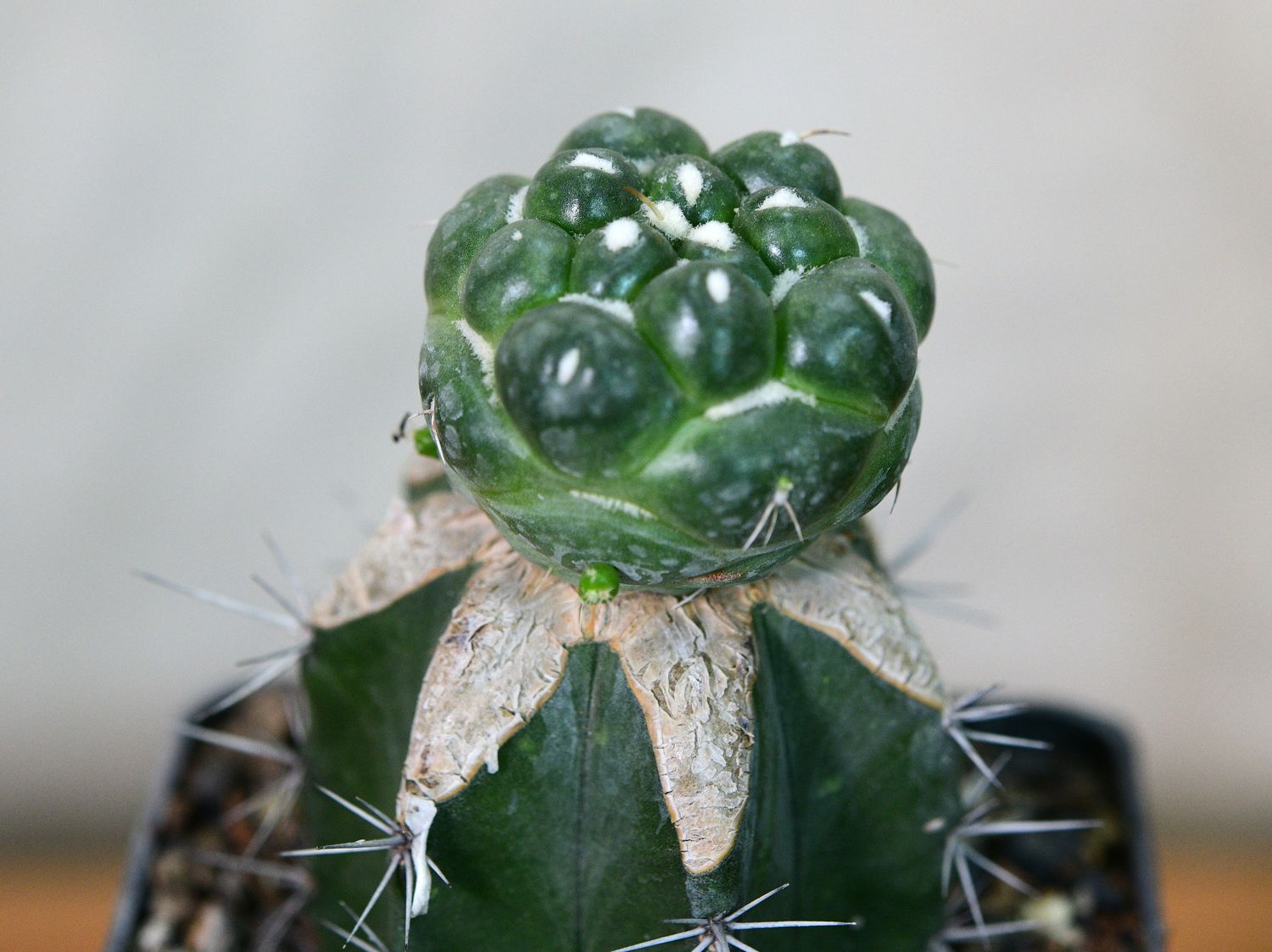
Coryphantha elephantidens cv. Tanshi Zougemaru Inermis features a small, globular body that can grow up to 4-6 inches in diameter. Its most striking trait is its smooth, unspined surface—sometimes virtually spine-free—giving it a pristine, handleless appearance that resembles a polished, rounded "tooth" or "egg." The plant’s surface is pale green or bluish-green, with prominent, elephant-tusk-like tubercles. In spring or early summer, large, vibrant flowers in shades of yellow or orange emerge from the top, adding a splash of color and enhancing its ornamental appeal. Its smooth, handleless profile makes it a captivating specimen and a standout among cactus collectors.
4. Conservation Status:
As a cultivated cultivar, it’s propagated primarily through nursery cultivation, with little impact on wild populations. However, wild Coryphantha elephantidens faces threats from habitat disturbance and illegal collection. Supporting responsible propagation helps preserve its natural habitat and ensures sustainable enjoyment.
5. Care:
To grow Coryphantha elephantidens cv. Tanshi Zougemaru Inermis:
- Watering: Water sparingly, allowing the soil to dry out completely between waterings. Reduce or withhold water in winter.
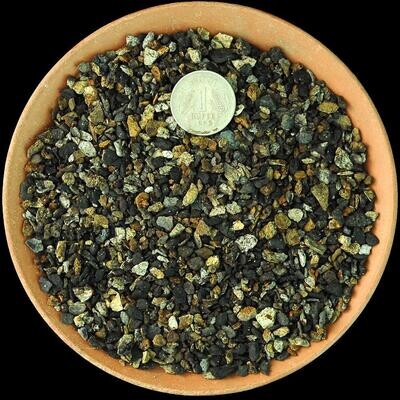
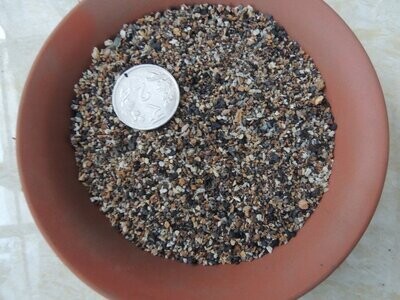
- Soil: Use a well-draining cactus or succulent mix, with added grit or coarse sand for proper drainage.
- Light: Needs bright, direct sunlight for at least 4-6 hours daily to maintain health and induce flowering.
- Temperature: Prefers warm temperatures from 65°F (18°C) to 85°F (29°C). Protect from frost—bring indoors or insulate in colder climates.
- Tips: Fertilize lightly during the growing season with a cactus or succulent fertilizer. Monitor for pests such as scale and mealybugs.
Coryphantha elephantidens cv. Tanshi Zougemaru Inermis offers a rare, smooth, and elegant form that resembles a polished elephant tooth, making it a fascinating and refined addition to any cactus collection. Its unusual appearance and beautiful flowers celebrate the unique diversity of desert flora.