

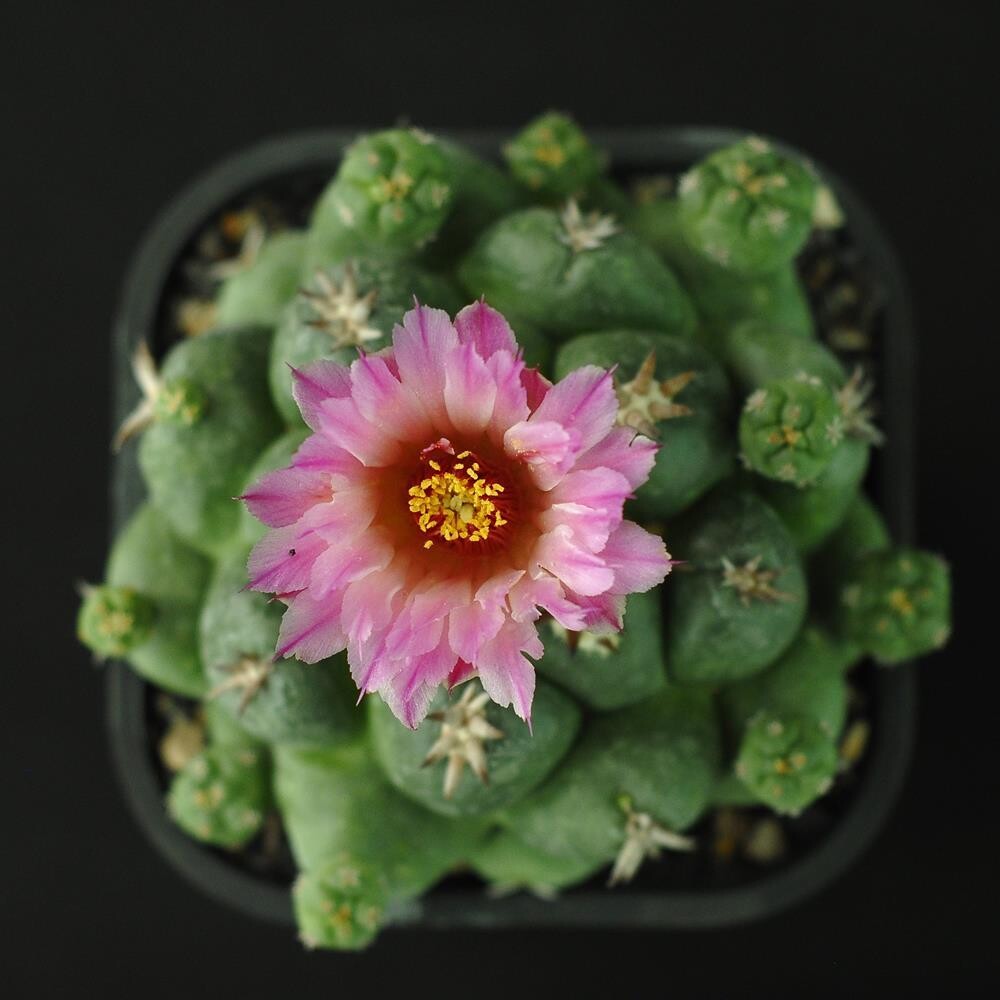
Coryphantha elephantidens cv. Tanshi Zougemaru B
Product Details
Sculptural Elegance: Coryphantha elephantidens cv. Tanshi Zougemaru B
A premium Japanese selection prized for its short-spined architecture and exceptionally smooth, globose form.
- Origin & History of Name: The genus name Coryphantha stems from the Greek koryphe (summit) and anthos (flower), noting blooms that emerge from the plant's apex. The specific epithet elephantidens translates to "elephant tooth," referencing the tusk-like appearance of the spines. This specific cultivar, "Tanshi Zougemaru," is of Japanese origin; "Tanshi" translates to "short spine," while "Zougemaru" is the Japanese name for the species elephantidens.
- Morphology: This cultivar is distinguished by its depressed-globose stem and deep green, semi-glossy epidermis. It features prominent, rounded tubercles (nodules) rather than continuous costae (ribs). The "Tanshi" mutation results in significantly reduced, pectinate spines that lay flat against the body, emphasizing the plant’s geometric symmetry. Large, woolly areoles at the crown produce striking yellow to pinkish flowers.
- Habitat & Origin: This is a specialized cultivar developed through selective breeding in Japan. While the parent species is native to central and southern Mexico, this "Short Spine" (B-type) variant exists only in cultivation. Domestic breeding ensures sustainability by reducing the demand for field-collected specimens.
- Cultivation Profile:
- Substrate: Use a strictly mineral-based mix (60-70% inorganic) comprising pumice, perlite, and crushed volcanic rock to prevent root rot in humid Indian climates.
- Light: Requires bright, filtered sunlight. In the Indian subcontinent, 30-50% green shade netting is essential during peak summer (April–June) to prevent epidermis scorching.
- Water/Dormancy: Follow a "soak and dry" method during the monsoon and summer. Maintain strict winter dormancy (November–February) by withholding water entirely to simulate its natural rest cycle.
- Scientific/Historical Anecdote: Coryphantha was originally classified under Mammillaria due to their similar tubercle structures. However, in 1868, botanist George Engelmann distinguished the genus by the presence of a unique "groove" on the upper surface of the tubercles in sexually mature plants—a botanical feature known as the floriferous areolar groove, which connects the spine-bearing part to the flower-producing part.

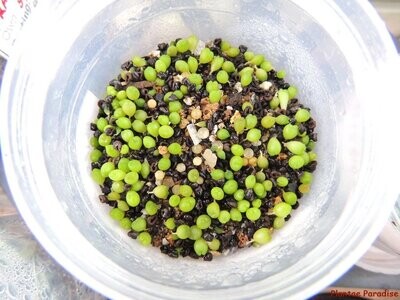
Cactus Seed Planting Mix
Cactus Seed Planting Mix
Sterile, Fine-Grain Media for Cactus & Succulent Seeds
SKU MNS005
₹74.85


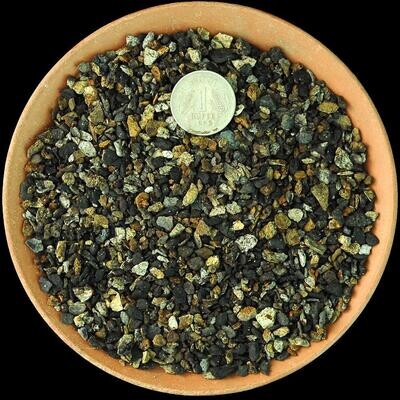
Cactus & Succulent Planting Mix COARSE (aka Cactus Soil Mix or Succulent Soil Mix)
Cactus & Succulent Planting Mix COARSE (aka Cactus Soil Mix or Succulent Soil Mix)
Washed, Free-Draining Mineral Mix for Cactus & Succulents
SKU MNS003
₹44.85