

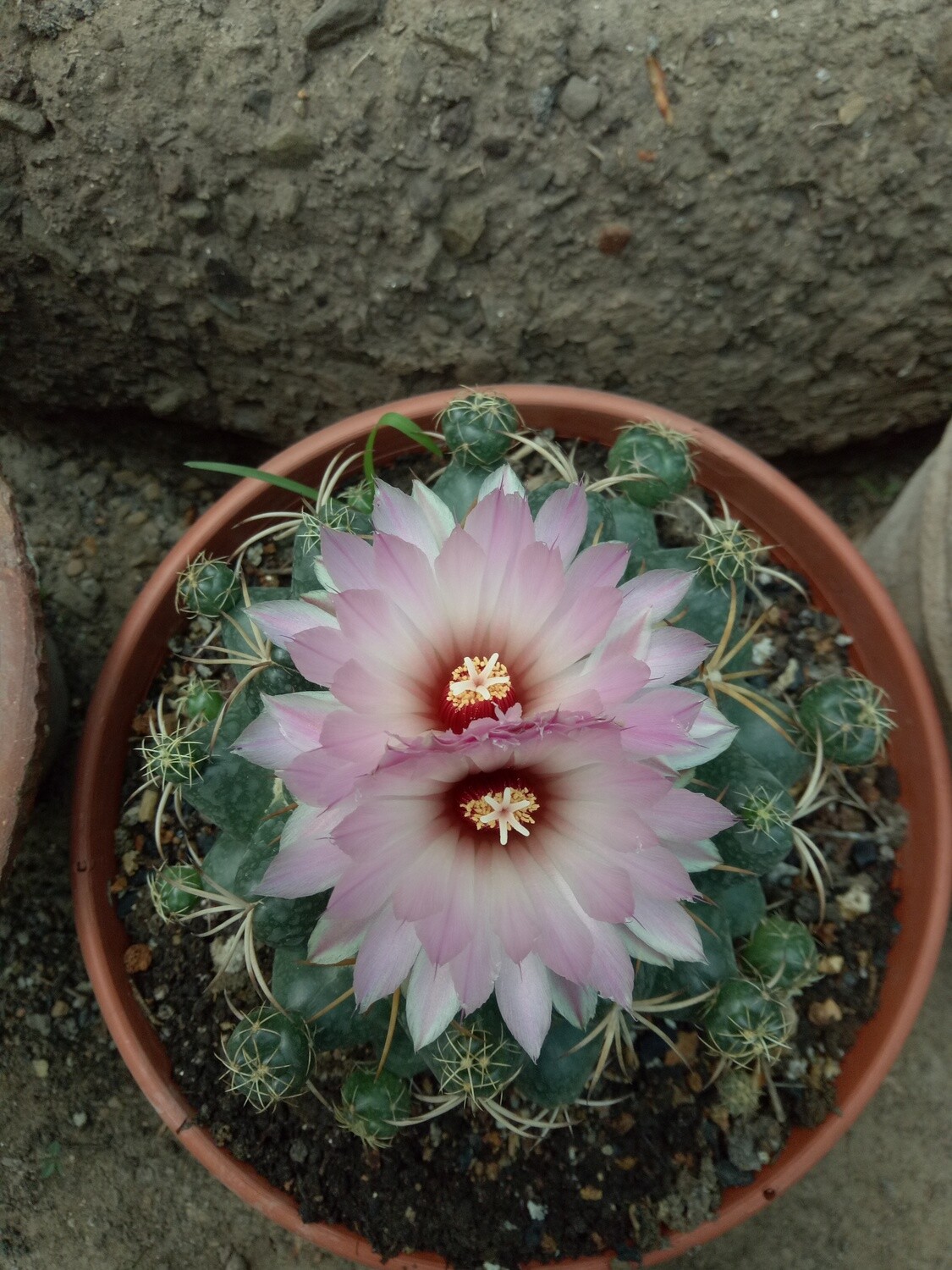
Coryphantha Elephantidens (Pink Flower)
Product Details
The Majestic Elephant’s Tooth: Coryphantha elephantidens (Pink Flower)
A rare treasure for collectors, this cactus is prized for its massive, sculpted tubercles and its breathtakingly large, silken pink blooms.
- Origin & History of Name: The genus name Coryphantha is derived from the Greek words koryphe (summit) and anthos (flower), referring to the plant's habit of blooming from the top.
The specific epithet elephantidens translates to "elephant tooth," a name coined by French botanist Charles Antoine Lemaire in 1838. He chose this name because the large, rounded protrusions (tubercles) on the plant’s body resemble the tusks or molars of an elephant. - Morphology: This cactus features a globose (spherical) to depressed-globose body with a dark green epidermis.
Unlike many cacti, it lacks traditional ribs (costae); instead, it is covered in prominent, rounded tubercles that can grow up to 5 cm long. The areoles at the tips of these tubercles produce 5–8 strong, recurved radial spines. The "Pink Flower" variety is distinct for producing exceptionally large, funnelform flowers that emerge from the woolly apex of the plant. - Habitat & Origin: Coryphantha elephantidens is a wild species native to the volcanic rocky slopes of central and southern Mexico (specifically Michoacán, Morelos, and Guerrero). While this specific pink-flowered variant is often selected and stabilized in cultivation, it remains a true-to-type representation of the wild species. Our specimens are nursery-grown from seed to ensure the protection of wild Mexican populations.
- Cultivation Profile:
- Substrate: Use a highly porous, mineral-based mix (60% grit/pumice/perlite, 40% organic matter). Avoid standard potting soil which retains too much moisture in humid Indian climates.
- Light: Requires bright, indirect sunlight or dappled shade. In the Indian subcontinent, protect from the harsh afternoon sun during peak summer (April–June) to prevent epidermis scorching.
- Water/Dormancy: Water deeply when the substrate is completely dry during the growing season. Maintain strict winter dormancy from November to February; stop watering entirely during this period to prevent root rot and encourage spring flowering.
- Scientific/Historical Anecdote: Members of the genus Coryphantha were once classified under Mammillaria because both possess tubercles.
However, botanists separated them based on a unique "flowering groove." If you look closely at a mature C. elephantidens, you will see a small groove running from the spine-bearing areole back toward the base of the tubercle—a distinct evolutionary trait that allows the flower to emerge from the protected, woolly center of the plant.
New


Monsoon Guardian Kit (5 in 1)
Monsoon Guardian Kit (5 in 1)
Complete 5-in-1 biological protection kit for cacti & succulents
SKU MNS024
₹850.00
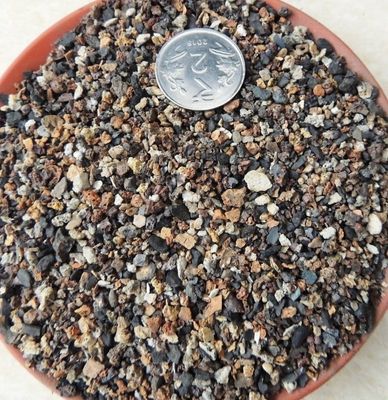

Cactus & Succulent Planting Mix FINE (aka Cactus Soil Mix or Succulent Soil Mix)
Cactus & Succulent Planting Mix FINE (aka Cactus Soil Mix or Succulent Soil Mix)
Fine-Grain Potting Mix for Cactus & Succulent Roots
SKU MNS001
₹39.85
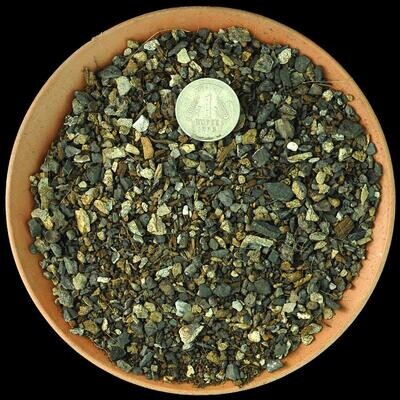
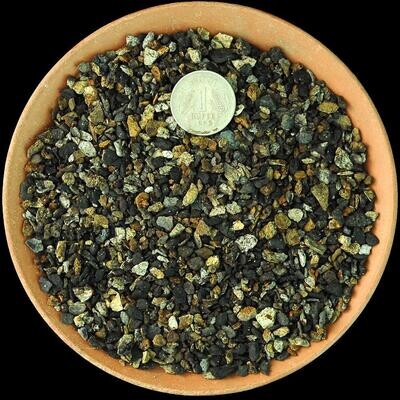
Cactus & Succulent Planting Mix COARSE (aka Cactus Soil Mix or Succulent Soil Mix)
Cactus & Succulent Planting Mix COARSE (aka Cactus Soil Mix or Succulent Soil Mix)
Washed, Free-Draining Mineral Mix for Cactus & Succulents
SKU MNS003
₹44.85