

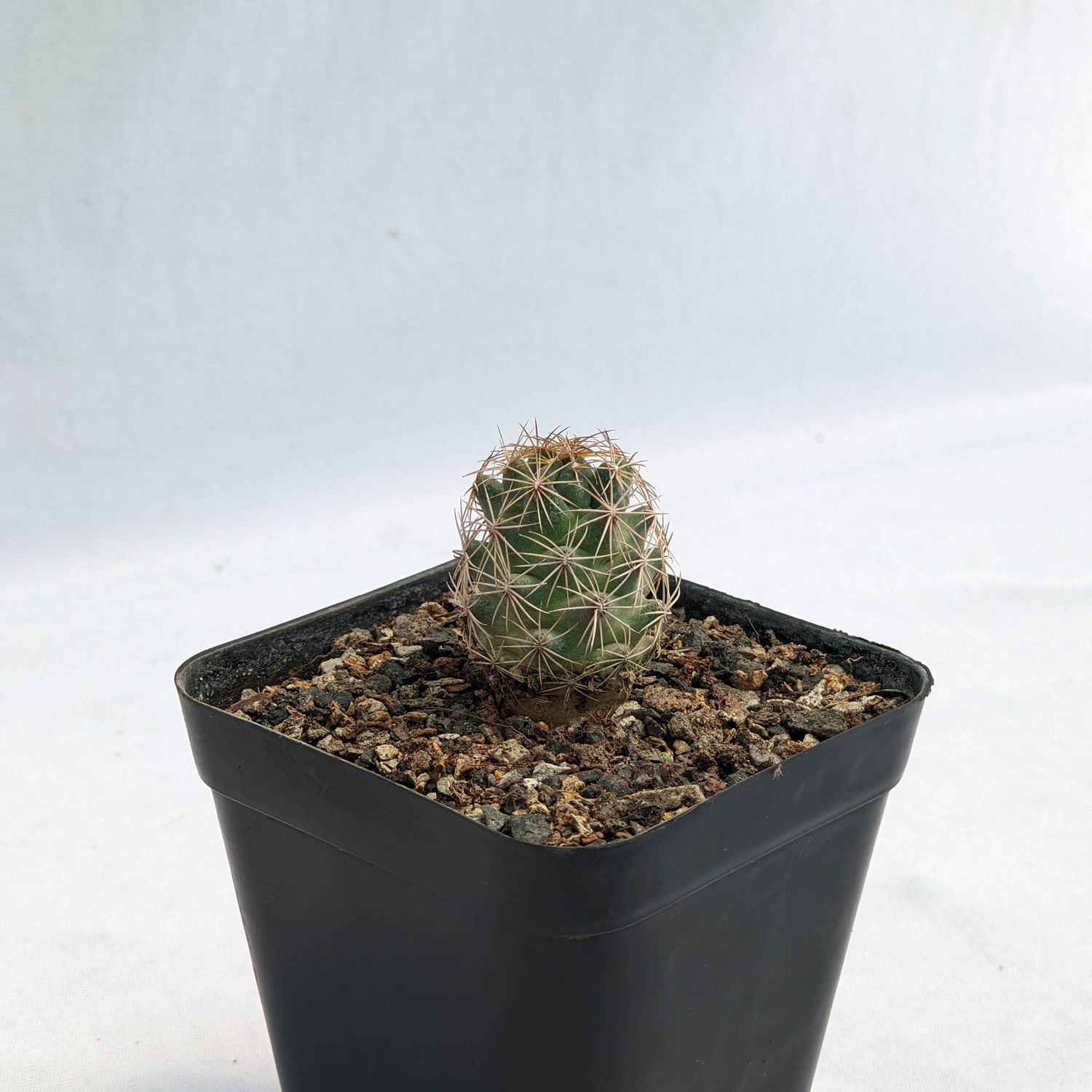
CORYPHANTHA vogtherriana big flrs collector Milos Kaplan San Luis Potosi Mexico
Product Details
The Desert Jewel: Coryphantha vogtherriana (Milos Kaplan Selection) Secure a piece of San Luis Potosi’s botanical heritage with this rare, large-flowered specimen from a legendary lineage.
- Origin & History of Name: The genus name Coryphantha is derived from the Greek koryphe (summit) and anthos (flower), referring to the plants blooming from the top of the stem. The species vogtherriana was named by botanist Friedrich Werdermann in the 1930s to honor the German cactus enthusiast Vogtherr. This specific "Milos Kaplan" variant carries the pedigree of the renowned Czech grower known for selecting specimens with exceptional floral vigor and structural integrity.
- Morphology: This globose cactus is characterized by its dull green epidermis and prominent, rounded tubercles arranged in a spiral pattern. Unlike many other species, it lacks the deep vertical costae (ribs) of typical cacti. It is highly prized for its "big flrs" (large flowers), which emerge from the apical meristem in shades of brilliant yellow with a silk-like texture. The central and radial spines are robust, providing a stark architectural contrast to the delicate blooms.
- Habitat & Origin: This is a wild species originating from the arid limestone hills of San Luis Potosí, Mexico. These specimens are cultivated from seeds with a focus on sustainability, ensuring the protection of wild populations in the Mexican highlands. The "Milos Kaplan" designation indicates a lineage bred for captive stability and superior aesthetic traits.
- Cultivation Profile:
- Substrate: Use a strictly mineral-based mix (70% grit/pumice/coarse sand, 30% organic matter). In the Indian climate, ensure high porosity to prevent root rot during humid months.
- Light: Requires full sun to bright filtered light. In the intense Indian summer, provide a 30% shade net to prevent epidermal scorching.
- Water/Dormancy: Follow a "soak and dry" method during the growing season. Observe a strict dry dormancy from November to February to mimic its native cool-dry winter and trigger blooming.
- Scientific/Historical Anecdote: Coryphantha species are often called "Beehive Cacti" due to their tubercle structure. Scientifically, they are distinguished from the closely related Mammillaria by a unique groove (the areolar groove) on the upper surface of the tubercle that connects the spine-bearing tip to the flower-producing base—an evolutionary trait that protects developing buds from external heat.
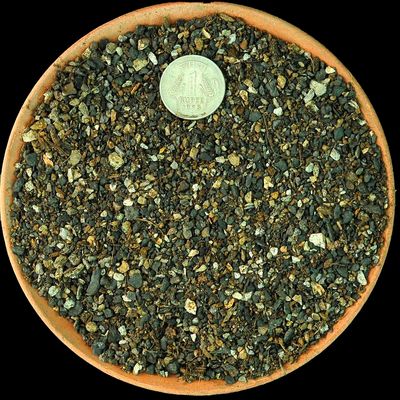
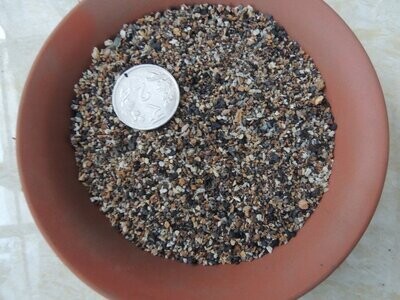
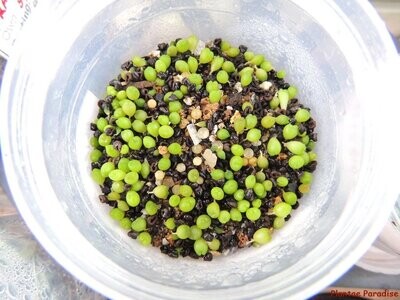
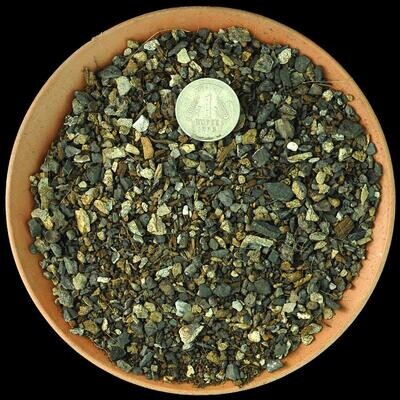
Cactus Seed Planting Mix
Cactus Seed Planting Mix
Sterile, Fine-Grain Media for Cactus & Succulent Seeds
SKU MNS005
₹74.85
New


Monsoon Guardian Kit (5 in 1)
Monsoon Guardian Kit (5 in 1)
Complete 5-in-1 biological protection kit for cacti & succulents
SKU MNS024
₹850.00