Origin of Name
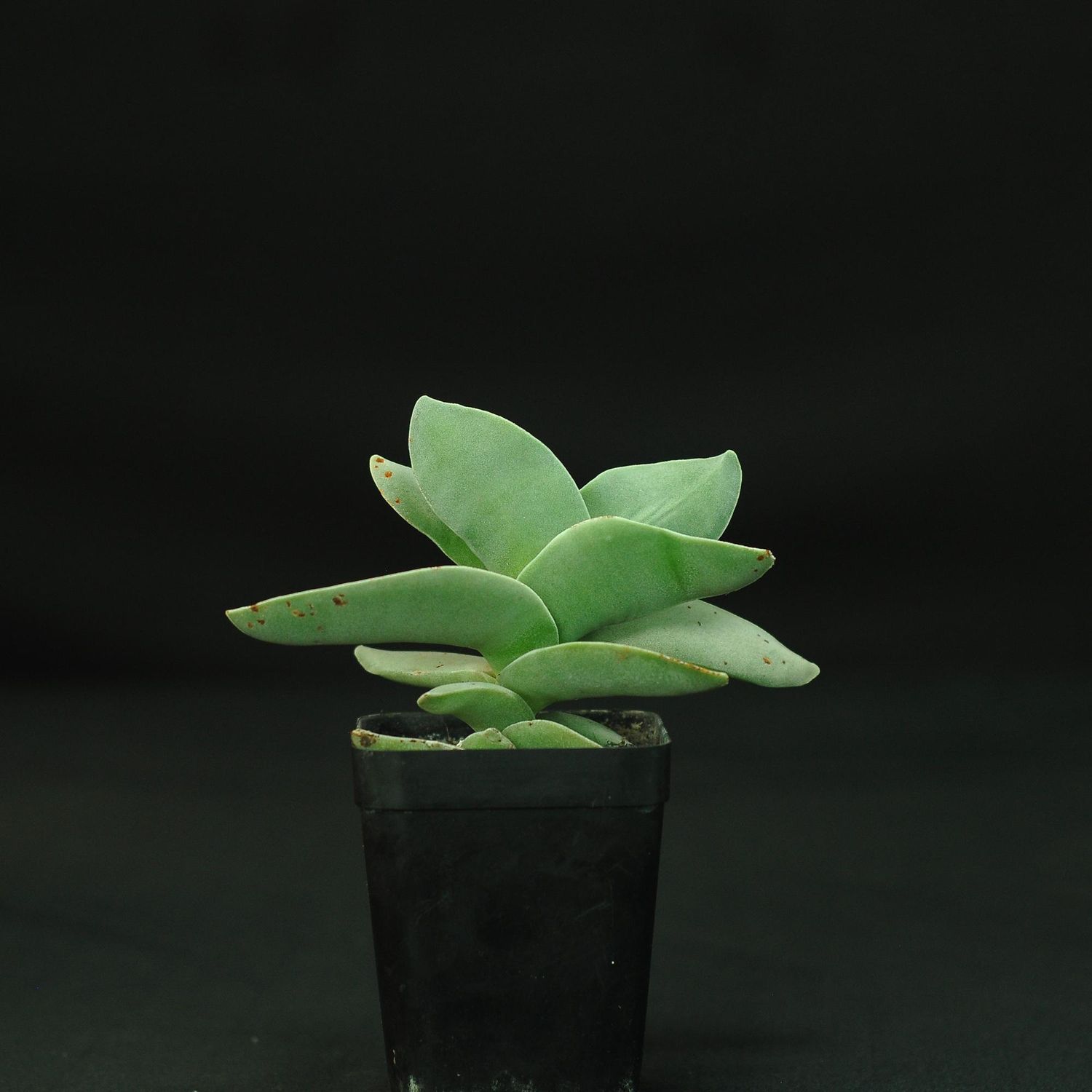
Crassula falcata, commonly known as Propeller Plant or Airplane Plant, gets its name from its unique foliage. The genus name 'Crassula' comes from the Latin word 'crassus', meaning thick, which refers to the succulent nature of the leaves in this genus. The species name 'falcata' means 'sickle-shaped' or 'curved like a scythe', describing the distinctive shape of its leaves, which resemble the blades of a propeller or airplane.
Technical Description of Plant
Crassula falcata is a striking succulent known for its unusual leaf arrangement and impressive blooms. It forms a dense clump of gray-green leaves that are thick, fleshy, and arranged in overlapping pairs, creating a propeller-like appearance. The leaves can grow up to 2-4 inches long and have a smooth, waxy texture. Crassula falcata is especially valued for its showy flower clusters that appear in the summer. The flowers are bright red to orange, densely packed in large, rounded clusters atop tall stems, rising above the foliage and attracting pollinators like bees and butterflies.
Origin of Plant
Crassula falcata is native to South Africa, particularly to the Cape Province region. It typically grows in rocky or sandy soils in its natural habitat and is adapted to dry, arid conditions.
Conservation Status
As of the latest information, Crassula falcata is not listed as an endangered species. However, like many succulents, responsible cultivation and propagation are important for reducing the demand for wild-collected plants.
Care Instructions
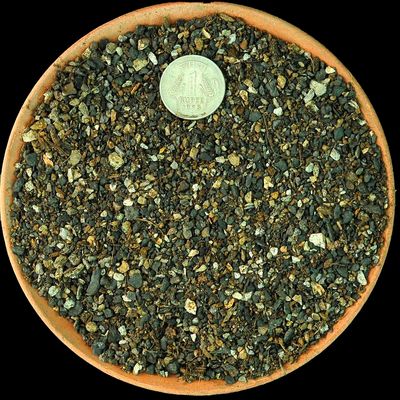
Crassula falcata is relatively easy to care for, making it suitable for both beginners and experienced succulent enthusiasts. It prefers bright, indirect light but can tolerate some direct sunlight, especially in the cooler parts of the day. A well-draining soil mix is essential. Water moderately during the growing season, allowing the soil to dry out completely between waterings, and reduce watering in the winter. Crassula falcata is not frost-tolerant and should be protected from freezing temperatures. Fertilization is not essential but can be done sparingly during the growing season with a diluted succulent fertilizer.