Cylindropuntia Spinosior
Cylindropuntia spinosior (Cane Cholla)
1. Origin of Name
The name Cylindropuntia spinosior is rooted in both its physical characteristics and its botanical classification. The genus Cylindropuntia comes from the Greek words kylindros (meaning "cylinder") and Opuntia (a genus of cacti), referring to the plant’s cylindrical stem segments. The species name spinosior is Latin for "more spiny," highlighting the plant’s notably dense and formidable spines.
Commonly known as the Cane Cholla, this cactus is named for its tall, cane-like stems that can grow in dense thickets, resembling a forest of spiny canes. The name "Cholla" itself is derived from the Spanish word choya, which refers to the spiny nature of these cacti. The Cane Cholla is also sometimes called the Walkingstick Cholla due to its tendency to detach and "walk" across the desert as segments fall and take root elsewhere.
2. Origin of Plant
Cylindropuntia spinosior is native to the arid regions of the southwestern United States and northern Mexico, particularly in the Sonoran and Chihuahuan Deserts. It thrives in hot, dry climates and is often found in rocky or sandy soils, where it can withstand extreme temperatures and minimal rainfall.
The Cane Cholla was first described by botanists in the late 19th century, and its ability to form dense thickets has made it a prominent feature of the desert landscape. It is well-adapted to its harsh environment, with its spiny stems providing protection from herbivores and its ability to propagate easily through detached segments.
3. Description
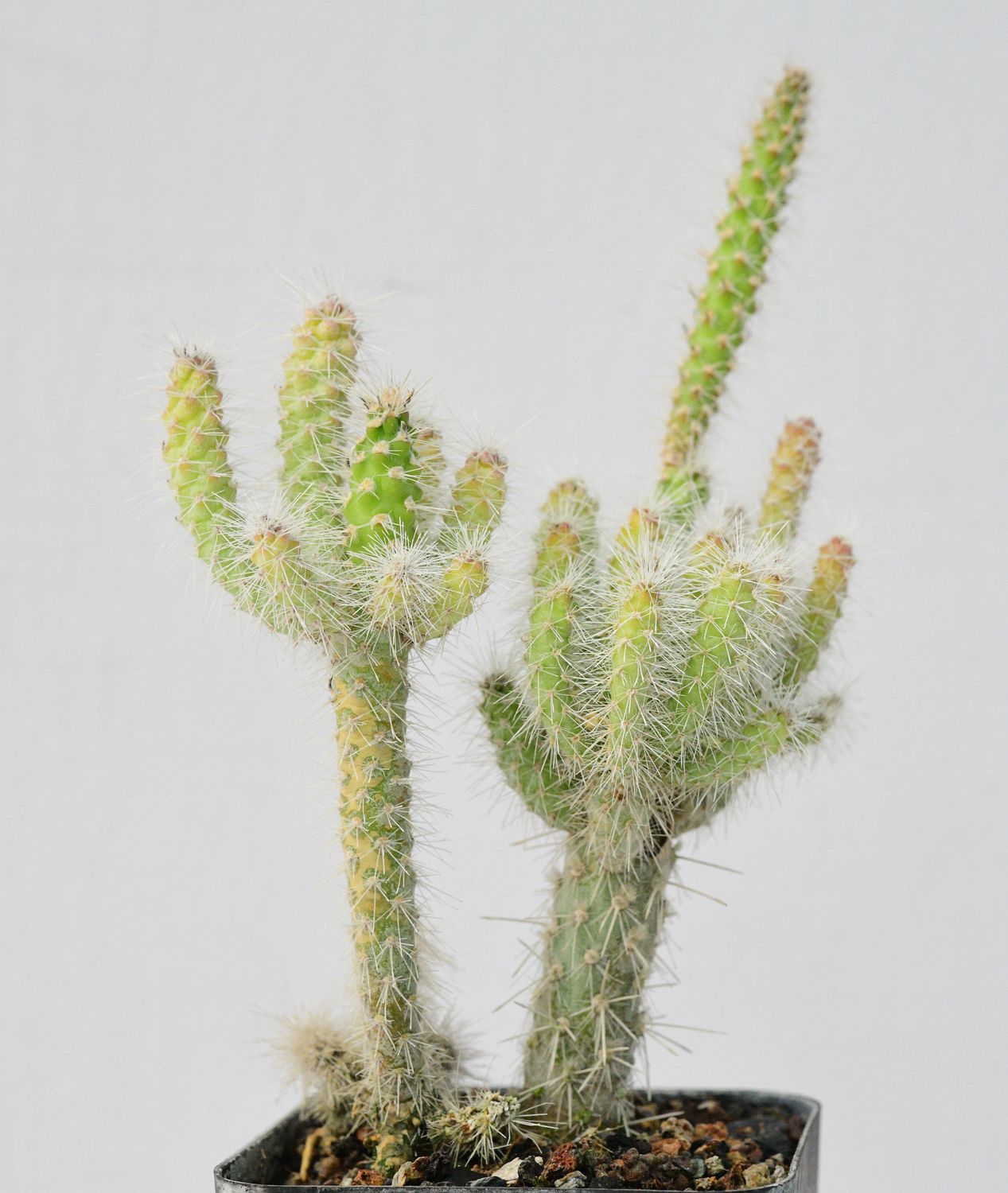
The Cane Cholla is a striking cactus with a unique and somewhat intimidating appearance. Its stems are cylindrical, segmented, and covered in dense clusters of sharp, barbed spines that can range from golden yellow to dark brown. The spines are not only a defense mechanism but also help to shade the plant from the intense desert sun.
The stems can grow up to 6-10 feet tall, forming dense, tree-like thickets that dominate the landscape. In the spring and early summer, the Cane Cholla produces vibrant, cup-shaped flowers in shades of pink, purple, or magenta. These flowers are followed by small, spiny fruits that persist on the plant and provide food for desert wildlife.
One of the most fascinating features of the Cane Cholla is its ability to propagate through vegetative reproduction. When segments of the stem detach (often due to wind or animal contact), they can take root and grow into new plants, giving the impression that the cactus is "walking" across the desert.
4. Conservation Status
Cylindropuntia spinosior is not considered threatened or endangered. It is a common and widespread species in its native range, thriving in the harsh conditions of the desert. However, like many desert plants, it faces potential threats from habitat destruction due to urbanization, agriculture, and climate change.
Efforts to conserve desert ecosystems are ongoing, with many organizations working to protect native habitats and promote sustainable land use practices. By appreciating and preserving the Cane Cholla and other desert plants, we can help maintain the biodiversity of these unique environments.
5. Care
The Cane Cholla is a hardy and low-maintenance plant, making it an excellent choice for xeriscaping or desert-themed gardens. However, its sharp spines require careful handling.
- Light: This cactus thrives in full sun and requires at least 6-8 hours of direct sunlight per day. It is well-suited to hot, dry climates and can tolerate intense heat.
- Watering: As a desert plant, the Cane Cholla is highly drought-tolerant and requires minimal watering. Water sparingly, allowing the soil to dry out completely between waterings. Overwatering can lead to root rot.
- Soil: Use a well-draining cactus or sandy soil mix. The Cane Cholla prefers rocky or sandy soils that mimic its natural habitat.
- Temperature: This cactus is well-adapted to hot, dry climates and can tolerate temperatures up to 100°F or more. It is also cold-hardy and can withstand temperatures as low as 20°F, making it suitable for a range of desert environments.
- Fertilizer: Fertilizing is generally not necessary, but if desired, use a diluted cactus fertilizer once or twice during the growing season (spring and summer).
- Propagation: The Cane Cholla can be propagated by stem segments. Simply detach a segment, let it callous over for a few days, and plant it in well-draining soil.
6. Interesting Anecdote
The Cane Cholla has a fascinating relationship with desert wildlife. Its spiny stems provide shelter for small animals, such as birds and reptiles, which nest among the dense thickets. The flowers and fruits of the Cane Cholla are also an important food source for pollinators, including bees and hummingbirds, as well as desert mammals like jackrabbits and rodents.
One of the most intriguing aspects of the Cane Cholla is its ability to "walk" across the desert. When segments of the stem detach (often due to wind or animal contact), they can take root and grow into new plants. This unique form of propagation has earned the Cane Cholla the nickname Walkingstick Cholla, as it appears to "move" across the landscape over time.
Why Choose Cylindropuntia spinosior?
With its striking, spiny stems, vibrant flowers, and unique ability to propagate through detached segments, the Cane Cholla is a true icon of the desert. Whether you’re creating a xeriscape garden or simply want to add a touch of desert beauty to your space, this hardy and fascinating cactus is a perfect choice.
Add this desert marvel to your collection today and enjoy the rugged beauty of the Cane Cholla!