Cynanchum viminale (Thin stem clone)
1. Origin of Name
The genus name, Cynanchum, is derived from the Greek words "kynos" (dog) and "ankhein" (to choke or strangle), leading to its common translation as "dog strangler." This evocative name likely refers to the often twining, sometimes aggressive growth habit of certain species within the genus, or perhaps to their known toxicity. The specific epithet, viminale, comes from the Latin "viminalis," meaning "of wicker," "pliant," or "rod-like." This term perfectly describes the long, slender, flexible, and often leafless stems that are the defining characteristic of this particular species. Historically, this plant has experienced significant taxonomic movement. It was initially described by Carl Linnaeus in his seminal work Species Plantarum in 1753, but at that time, he classified it under Euphorbia viminalis. Over subsequent decades and centuries, botanists recognized its distinct features, leading to its placement in the genus Sarcostemma (where it was widely known as Sarcostemma viminale) before more recent molecular studies led to its reclassification under Cynanchum. This complex taxonomic journey highlights the ongoing scientific effort to accurately categorize the vast diversity of the plant kingdom.
2. Origin of Plant
Cynanchum viminale boasts an astonishingly wide natural distribution, spanning across the arid and semi-arid regions of Africa (from South Africa all the way north), the Arabian Peninsula, India, Sri Lanka, Southeast Asia, and even parts of Australia. This pan-tropical and sub-tropical species is a true survivor, thriving in diverse habitats ranging from dry grasslands and savannas to rocky outcrops and coastal scrub. It is typically found scrambling over other vegetation, clambering up rocks, or forming dense, tangled mounds. Its succulent, leafless stems are a crucial adaptation to these harsh environments, allowing it to efficiently store water and reduce surface area for transpiration. Given its vast geographical spread, Cynanchum viminale has been known to indigenous populations for millennia, utilized for various purposes before its formal entry into Western botanical classification through the explorations and documentation efforts of early naturalists.
3. Description
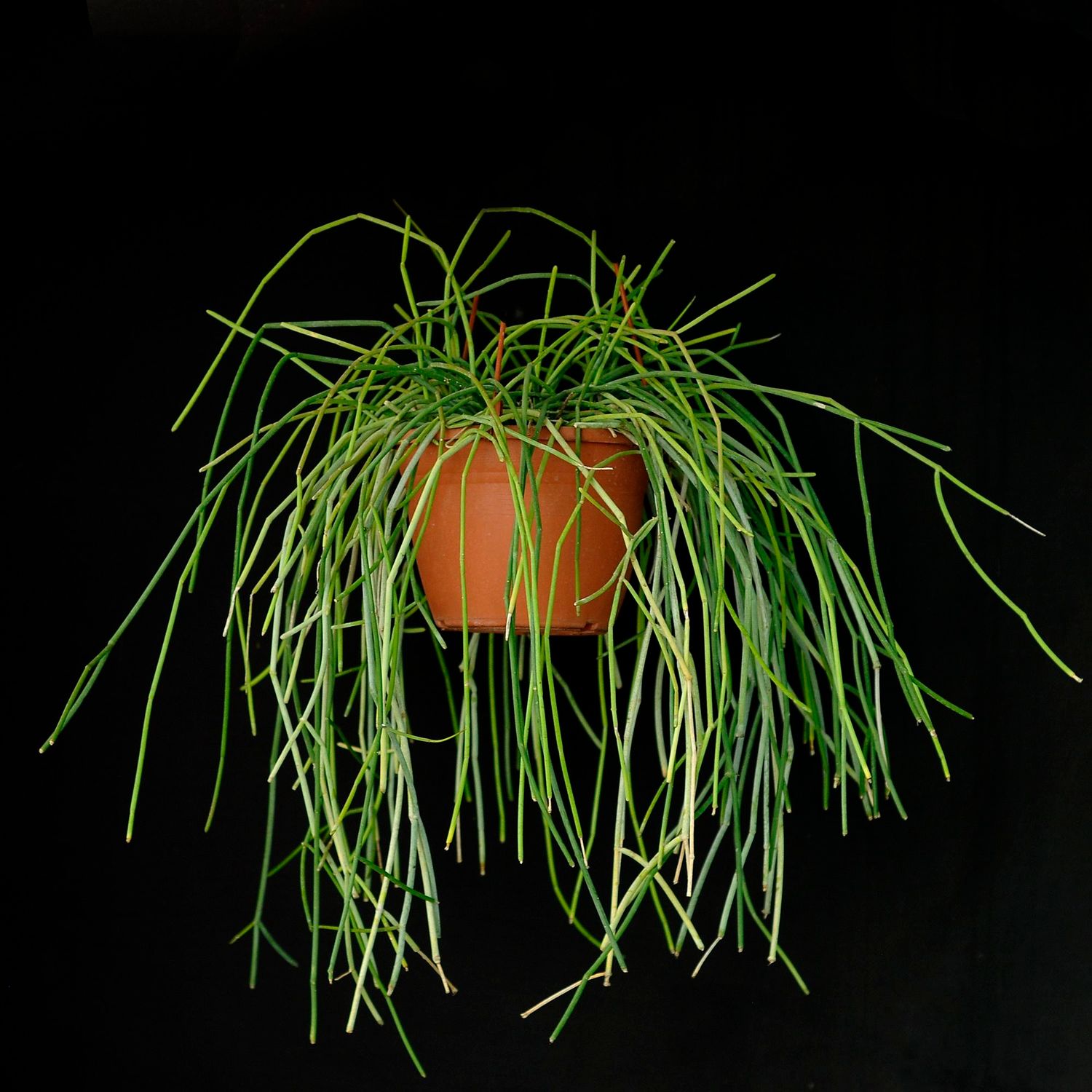
The Cynanchum viminale is a truly distinct succulent that forms an intricate, almost alien, display. Its most prominent features are its numerous, highly succulent, cylindrical, and predominantly leafless stems. These stems are typically a bright green, often with a glaucous (bluish-waxy) coating, sometimes tending towards yellow-green, and are usually between 5-10 mm in diameter. They branch freely, forming dense, tangled masses or gracefully cascading over the edges of containers. While it technically produces tiny, scale-like leaves, they are usually vestigial and quickly deciduous, making the stems the primary photosynthetic organs. The plant contains a milky white latex, characteristic of the Apocynaceae family (which includes milkweeds). In spring or summer, it produces small, star-shaped flowers in clusters along its stems. These blooms are typically pale greenish-yellow to creamy white, and while individually inconspicuous, they create a delicate effect when in mass. These are followed by interesting paired seed pods, which split open to release numerous flat seeds adorned with silky tufts of hair, designed for wind dispersal.
4. Conservation Status
Given its extremely wide geographical distribution across multiple continents and its adaptability to various arid and semi-arid environments, Cynanchum viminale is generally considered to be of Least Concern on the IUCN Red List of Threatened Species. It is a resilient and robust species, and its populations are not currently facing immediate, widespread threats. However, like all plants, localized populations can be vulnerable to habitat destruction and over-collection in specific areas. Its widespread availability in cultivation helps to prevent pressure on wild populations.
5. Care
Despite its exotic appearance, Cynanchum viminale is surprisingly easy to care for, making it an excellent choice for a unique, low-maintenance plant.
- Watering: As a succulent from arid regions, it requires infrequent watering. Water thoroughly when the soil is completely dry to the touch, then allow it to dry out again before the next watering. Reduce watering significantly in cooler, dormant months. Overwatering is the biggest killer.
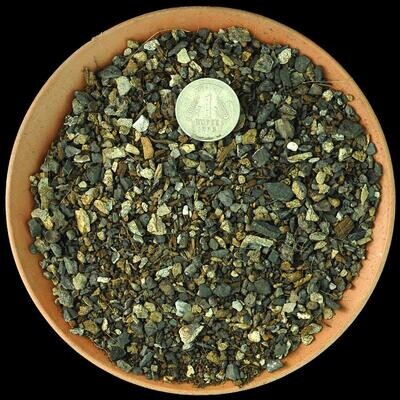
- Soil: Absolutely essential is an extremely well-draining, gritty succulent or cactus mix. A blend with a high proportion of inorganic materials like pumice, perlite, and coarse sand (e.g., 70-80% inorganic) is ideal.
- Light: Thrives in full sun to bright indirect light. More sun will encourage compact growth and may enhance any reddish or yellowish stem coloration.
- Temperature: Prefers warm temperatures. It is not frost-tolerant and must be protected from temperatures below 5°C (41°F).
- Tips: Handle with care; the milky white latex can be a skin irritant for some individuals. Provide good air circulation. It can be grown as a trailing plant in a hanging basket, or trained to climb a small trellis. Pruning can help maintain a desired shape and encourage bushier growth.
6. Engaging Anecdote
The most fascinating aspect of Cynanchum viminale is its remarkable evolutionary parallel with other unrelated desert plants. Its leafless, succulent, cylindrical stems, which carry out photosynthesis, are a striking example of convergent evolution. This means that plants from completely different evolutionary lineages, but facing similar environmental pressures (like extreme drought and intense sun), have independently evolved similar physical forms. You might mistake it for certain Euphorbia species or even some Rhipsalis at first glance, due to this shared adaptation. In its native habitats, particularly in parts of Africa and India, Cynanchum viminale has a rich history of ethnobotanical use. Its latex and various plant parts have been employed in traditional medicine for a range of ailments, from treating snakebites and various skin conditions to serving as purgatives. However, due to the presence of potentially irritating or toxic compounds in its latex, it's crucial to appreciate its medicinal history from a distance and never attempt self-medication. Owning a Cynanchum viminale is not just cultivating a plant; it's bringing a piece of global botanical ingenuity into your space, a silent testament to nature's profound ability to adapt and thrive, and a living sculpture that tells a story of survival across continents.