Dioscorea elephantipes
Product Details
Architectural Wonder: Dioscorea elephantipes
A living sculpture for the serious collector, this slow-growing caudiciform is renowned for its prehistoric aesthetic and unmatched longevity.
- Origin & History of Name: The genus name Dioscorea honors the ancient Greek physician and botanist Pedanius Dioscorides.
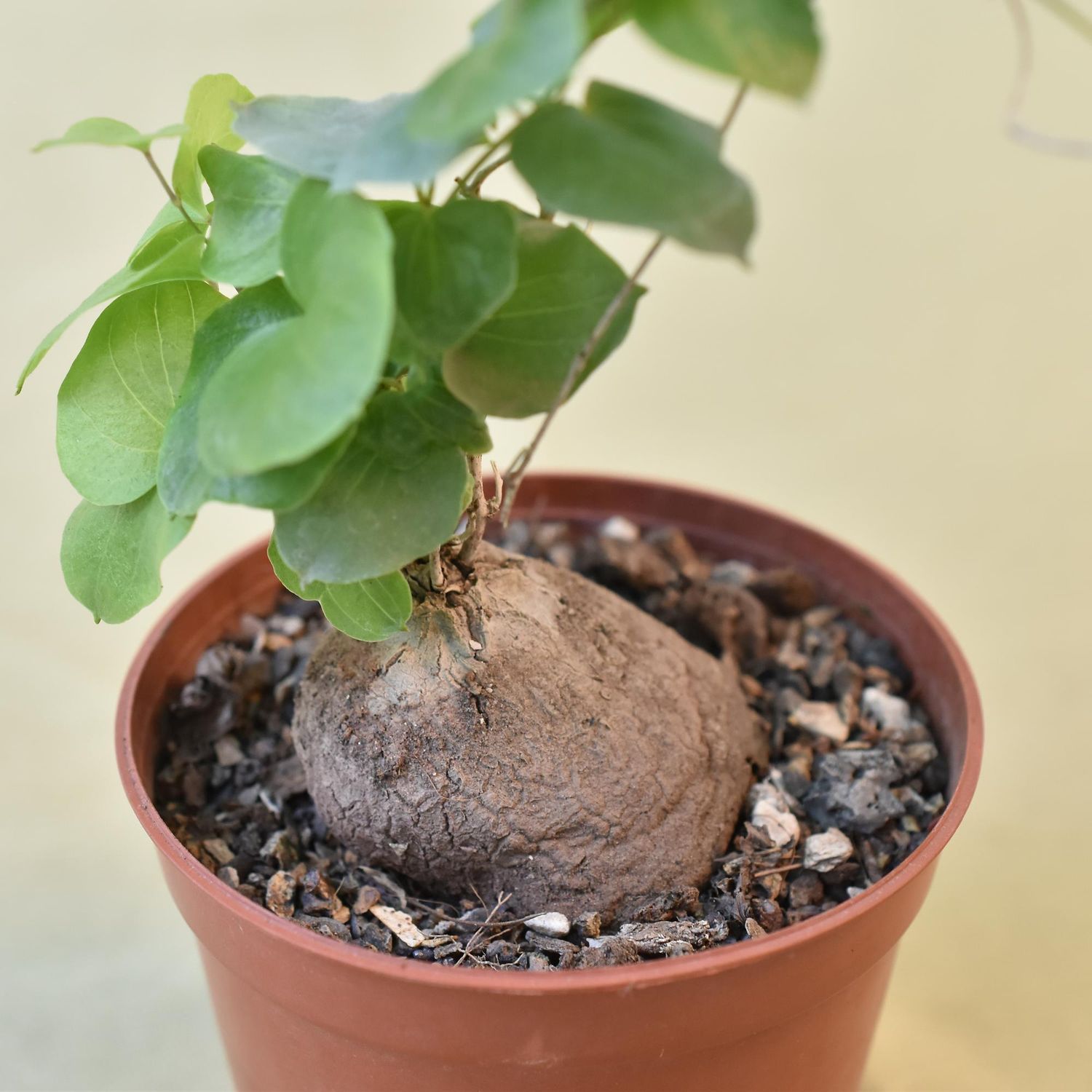
- Morphology: This geophytic perennial is defined by its massive caudex—a woody, water-storing stem base.
- Habitat & Origin: This is a wild species endemic to the arid interior of South Africa, specifically the Cape Provinces.
- Cultivation Profile:
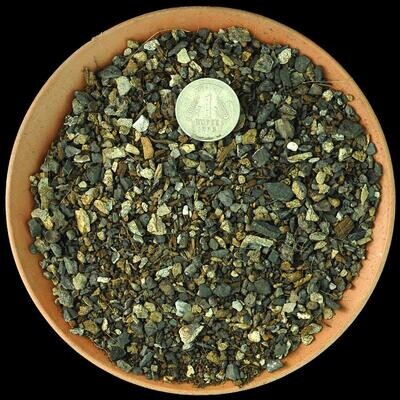
- Substrate: Use a strictly porous, mineral-based mix. A ratio of 70% inorganic material (pumice, perlite, or crushed leca) to 30% organic matter is ideal to prevent root rot in humid Indian climates.
- Light: Prefers bright, indirect light. In the Indian subcontinent, the caudex should be shaded or kept in dappled light to prevent sunburn, while the climbing vines should be allowed to reach toward brighter light.
- Water/Dormancy: This species is typically winter-growing.
- Scientific/Historical Anecdote: In the 1950s, Dioscorea species became the focus of intense pharmaceutical research because they contain high concentrations of diosgenin, a steroid sapogenin.
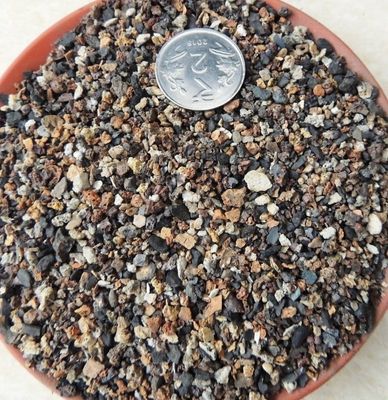
Cactus & Succulent Planting Mix FINE (aka Cactus Soil Mix or Succulent Soil Mix)
Cactus & Succulent Planting Mix FINE (aka Cactus Soil Mix or Succulent Soil Mix)
Fine-Grain Potting Mix for Cactus & Succulent Roots
SKU MNS001
₹35.51
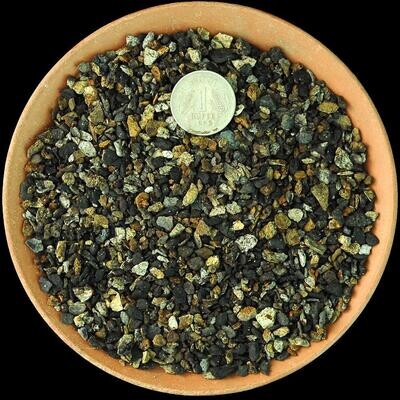
Cactus & Succulent Planting Mix COARSE (aka Cactus Soil Mix or Succulent Soil Mix)
Cactus & Succulent Planting Mix COARSE (aka Cactus Soil Mix or Succulent Soil Mix)
Washed, Free-Draining Mineral Mix for Cactus & Succulents
SKU MNS003
₹40.51

Cactus Seed Planting Mix
Cactus Seed Planting Mix
Sterile, Fine-Grain Media for Cactus & Succulent Seeds
SKU MNS005
₹70.51