Discocactus araneispinus - The Exquisite "Spider-Spined" Jewel of Brazil
Capture the mystery of the night with Discocactus araneispinus. Known as one of the most beautiful and sought-after species in the Discocactus genus, this plant is famous for its intricate, spider-like spination and its legendary, night-blooming fragrance. If you are looking for a cactus that combines architectural precision with a sensory experience, this Brazilian treasure is the perfect centerpiece for your collection.
1. Origin of Name
The genus name "Discocactus" is derived from the Greek diskos (disc), referring to the flattened, disc-like shape of the plant. The specific epithet "araneispinus" is a combination of the Latin aranea (spider) and spinus (spine), a vivid description of the plant's unique spines that hug the body like a web of delicate spiders.
This species was formally described in the 20th century, a time when many of Brazil's specialized cacti were being discovered by European and South American botanists. You may also find it classified under the synonym Discocactus zehntneri ssp. araneispinus, as it is closely related to the zehntneri complex, though collectors often distinguish it by its tighter, more intricate spine patterns.
2. Origin of Plant
Discocactus araneispinus is native to the Bahia region of Brazil. It thrives in a very specific and harsh environment known as the Caatinga, an arid scrubland characterized by rocky outcrops of quartz and sandstone. Unlike many other cacti that grow in deep soil, these plants are often found wedged into cracks in rocks or growing in very shallow, sandy pockets, surviving on high humidity and seasonal rains.
3. Description
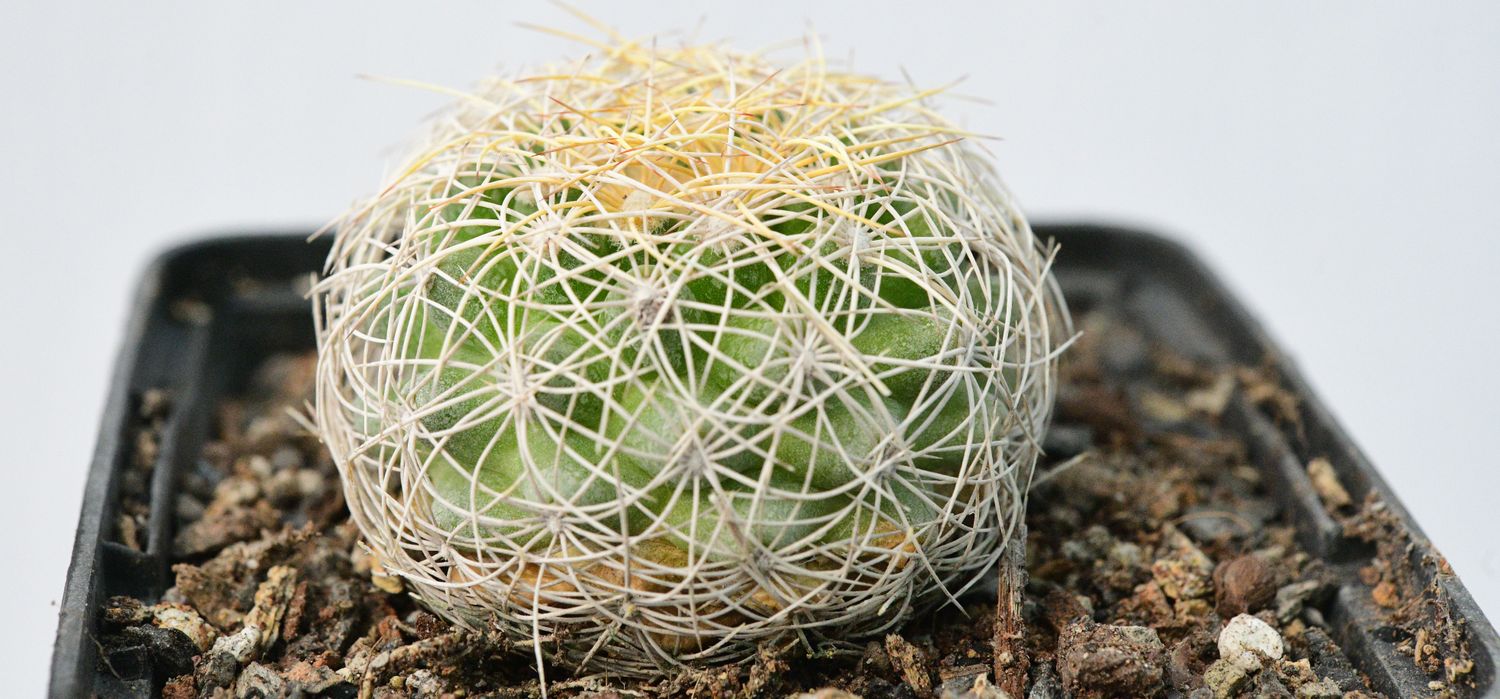
This cactus is a true miniature masterpiece. It features a low-growing, globose body that is typically a rich, dark green. The surface is divided into numerous small tubercles, each capped with a stunning array of creamy-white to golden-yellow spines. These spines are curved and lie flat against the plant's body, creating a dense, "webbed" texture that looks like a masterpiece of lace.
The most magical feature of the Discocactus occurs when it reaches maturity. It develops a cephalium—a specialized, woolly, bristly structure at the top of the plant. From this "hat," large, pure white, funnel-shaped flowers emerge. These blooms open at night and produce an intense, heavenly fragrance that can fill an entire room, designed to attract night-flying moths.
4. Conservation Status
Discocactus araneispinus is considered Vulnerable in the wild. Its habitat in Brazil is under constant threat from agricultural expansion and mining. Because they are slow-growing and have such a specific niche, wild populations are fragile. By purchasing our nursery-grown specimens, you are helping to keep this species in cultivation while protecting the wild "spider-spines" of Bahia.
5. Care
Discocactus are often considered "the aristocrats of the cactus world" and require a bit more attention than common species:
- Light: Bright, indirect light is best. In their native habitat, they are often slightly shaded by grasses or rocks. Avoid intense, scorching afternoon sun.
- Watering: They prefer slightly more humidity than desert cacti but are very sensitive to "wet feet." Use the "soak and dry" method, but ensure the water is slightly warm (room temperature) to avoid shocking the roots.
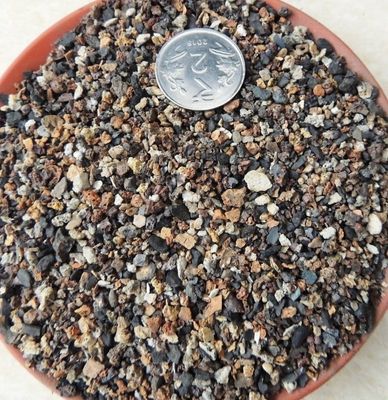
- Soil: Must be extremely well-draining. A mix of 70% mineral (quartz grit, pumice, or lava rock) and 30% acidic peat or leaf mold is ideal.
- Temperature: Crucial! Unlike many cacti, Discocactus do not like the cold. They should be kept above 50°F (10°F) even in winter. They prefer a warm, humid environment year-round.
- Tips: Do not water if the temperature is low, as they are prone to root rot in cold, damp soil.
6. Interesting Anecdote
The flowering of a Discocactus is a true event. Because the flowers open only at night and usually last for only one evening, Victorian-era collectors would often throw "flowering parties," inviting friends over at midnight to witness the bloom and enjoy the incredible perfume. To this day, owners of Discocactus often set alarms for 11:00 PM when they see a bud emerging from the cephalium—missing the "Spider-Cactus" bloom is a heartbreak every collector tries to avoid!
Experience the magic of the Brazilian night. Add the Discocactus araneispinus to your collection today!