Discocactus crystallophilus
Product Details
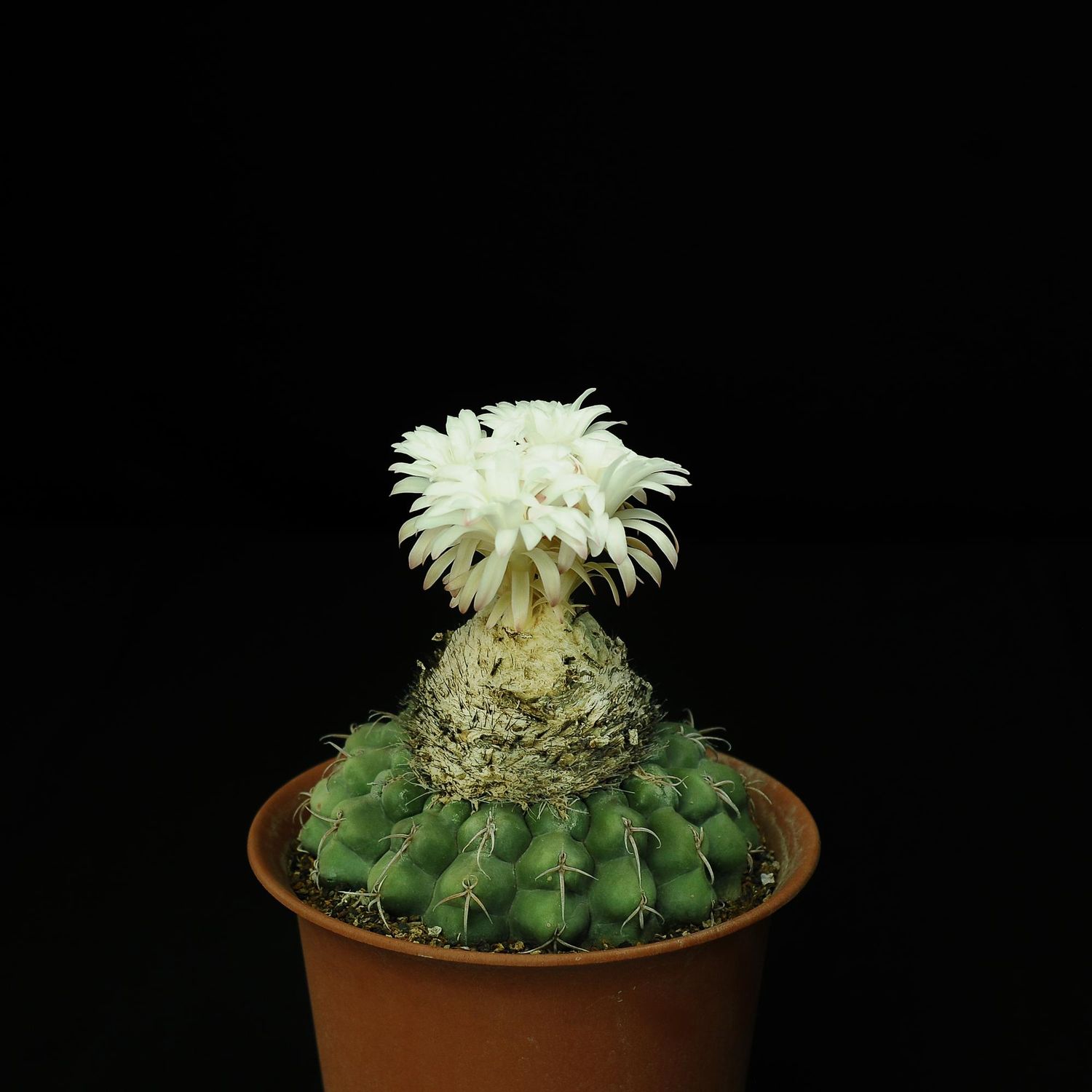
Luminous Geometry: Discocactus crystallophilus
A coveted architectural gem for the serious collector, prized for its crystalline spines and nocturnal fragrance.
- Origin & History of Name: The genus name Discocactus is derived from the Greek diskos (flat plate), referring to the plant's characteristic flattened, disc-like shape.
- Morphology: This cactus features a solitary, globose-to-depressed epidermis (outer skin) of dark green.
- Habitat & Origin: This is a wild species endemic to the state of Minas Gerais, Brazil. It grows in highly specialized environments among quartz gravel. Due to its limited range and slow growth, it is considered endangered in the wild; ensure your specimen is sourced from CITES-compliant, nursery-propagated stock to support conservation.
- Cultivation Profile:
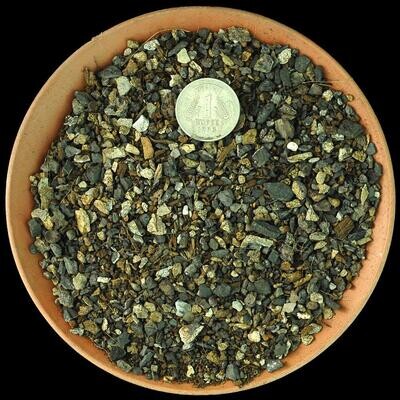
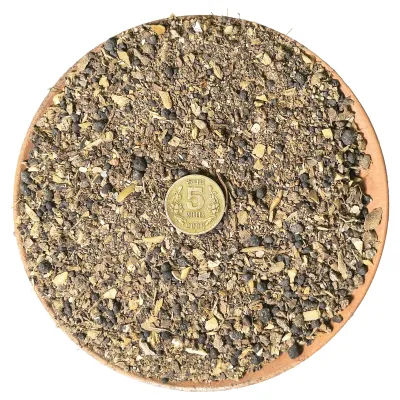
- Substrate: Use a strictly mineral-based mix (70% grit/pumice/coarse sand, 30% organic matter). Avoid standard garden soil.
- Light: Requires bright, indirect sunlight. In the intense Indian summer, provide 50% shade to prevent epidermis scorch.
- Water/Dormancy: Water thoroughly only when the substrate is bone-dry. During the Indian monsoon and winter, significantly reduce watering as the plant enters dormancy; excess moisture in high humidity leads to rapid root rot.
- Scientific/Historical Anecdote: Discocactus species are famous for their "internal clock." Their flowers open only at night, usually after dusk, and last only until the first light of dawn. They produce a heavy, sweet perfume designed to attract hawkmoths, their primary pollinators, across the vast Brazilian savannahs.
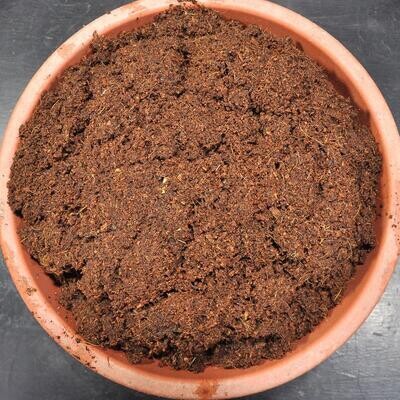
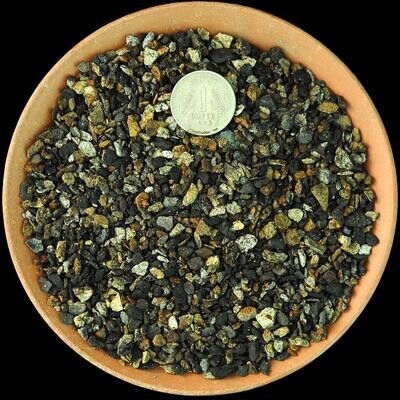
Cactus & Succulent Planting Mix COARSE (aka Cactus Soil Mix or Succulent Soil Mix)
Cactus & Succulent Planting Mix COARSE (aka Cactus Soil Mix or Succulent Soil Mix)
Washed, Free-Draining Mineral Mix for Cactus & Succulents
SKU MNS003
₹38.74