

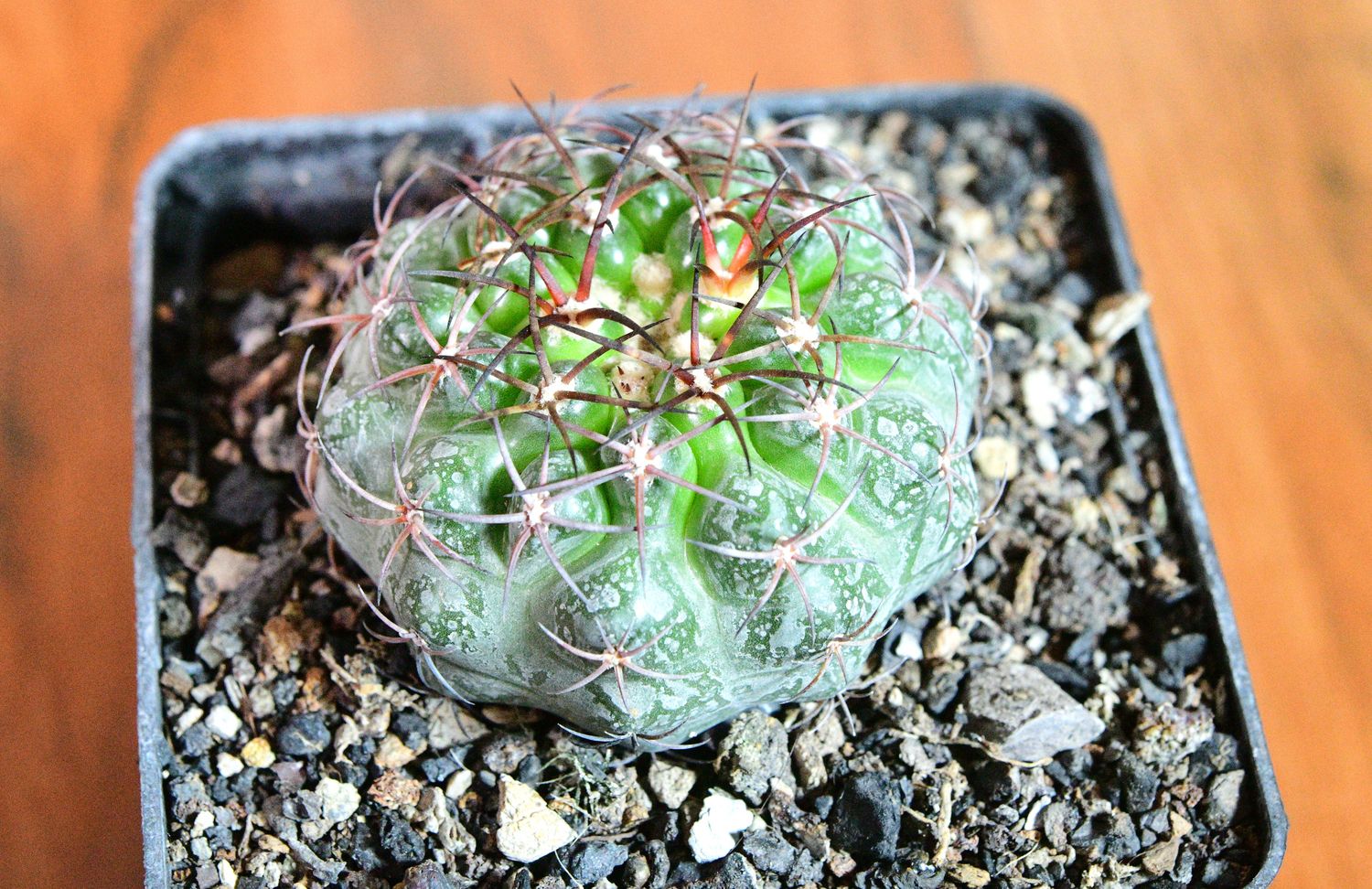
Discocactus ferricola
Product Details
The Iron-Loving Jewel: Discocactus ferricola
A critically endangered masterpiece for the serious collector, prized for its unique metallic hue and nocturnal elegance.
- Origin & History of Name: The genus name Discocactus is derived from the Greek word diskos (flat plate), referring to the plant's characteristic disc-like shape.
The species epithet ferricola is a combination of the Latin ferrum (iron) and cola (dweller), which translates to "iron-dweller." This name was chosen because the plant was discovered growing specifically on iron-rich outcrops (canga) in the Corumbá region of Brazil. - Morphology: This cactus features a flattened-globose epidermis with a distinct dark green to brownish tint. It is characterized by 12 to 14 sharp-edged costae (ribs) that are notched into tubercles. The plant is most famous for its cephalium—a specialized woolly structure at the crown from which highly fragrant, white, nocturnal flowers emerge once the plant reaches maturity. Unlike many cacti, its spines are relatively small and pectinately arranged against the body.
- Habitat & Origin: Discocactus ferricola is a wild species native to a very small area in Mato Grosso do Sul, Brazil, and eastern Bolivia.
It is strictly a "metallophyte," growing on ironstone pavements. Due to mining activities in its native range, it is listed as Critically Endangered. Responsible buyers should only purchase specimens that are nursery-grown from seed to ensure conservation sustainability. - Cultivation Profile (Indian Context):
- Substrate: Requires a strictly mineral-based mix. Use a blend of 70% crushed brick, pumice, or lava rock and 30% coarse sand/fine gravel. Avoid peat or standard potting soil which retains too much moisture in humid Indian climates.
- Light: Bright, indirect sunlight is ideal. In India, providing 40-50% shade cloth protection during the peak summer months (April–June) is essential to prevent scorching the epidermis.
- Water/Dormancy: Water deeply but infrequently during the monsoon and summer when the substrate is completely dry. In winter, maintain a strict dry dormancy. Ensure excellent air circulation to prevent fungal rot, a common issue in high-humidity regions like West Bengal or Kerala.
- Scientific/Historical Anecdote: Unlike most cacti that bloom during the day to attract bees, the Discocactus genus is specifically adapted for hawkmoth pollination. Their flowers open rapidly at dusk, emit a powerful perfume to guide moths in the dark, and usually wither by the first light of dawn. This "one-night-only" display makes the blooming of a ferricola a celebrated event for growers.

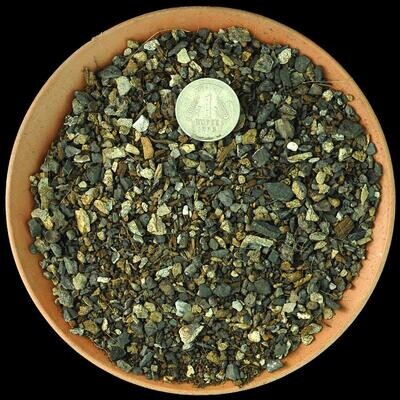
Cactus & Succulent Planting Mix FINE (aka Cactus Soil Mix or Succulent Soil Mix)
Cactus & Succulent Planting Mix FINE (aka Cactus Soil Mix or Succulent Soil Mix)
Fine-Grain Potting Mix for Cactus & Succulent Roots
SKU MNS001
₹39.85

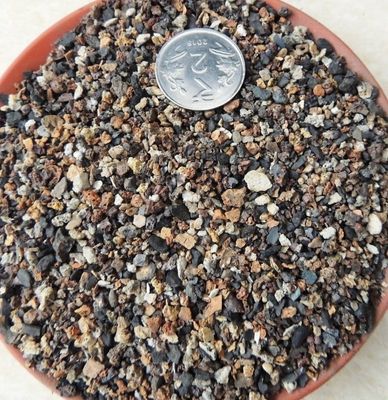
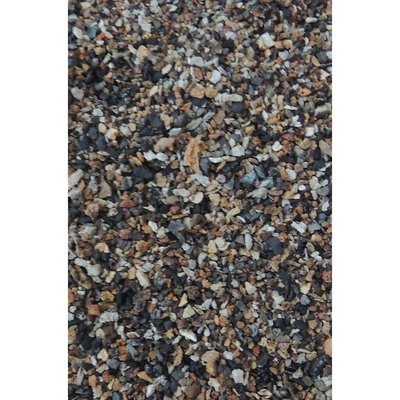
Cactus & Succulent Planting Mix COARSE (aka Cactus Soil Mix or Succulent Soil Mix)
Cactus & Succulent Planting Mix COARSE (aka Cactus Soil Mix or Succulent Soil Mix)
Washed, Free-Draining Mineral Mix for Cactus & Succulents
SKU MNS003
₹44.85