Prepare to encounter a living fortress, a masterpiece of natural design, and an absolute standout in any collection. The Dyckia brevifolia, affectionately known as the "Sawblade Dyckia," is a terrestrial bromeliad that masterfully combines rugged resilience with stunning architectural beauty. With its fiercely toothed leaves and dazzling floral display, this plant is not just a specimen; it's a statement piece, a testament to nature's formidable artistry.
1. Origin of Name
The genus name, Dyckia, was bestowed to honor Prince Joseph Franz von Salm-Reifferscheidt-Dyck (1773–1861), a Prussian nobleman, botanist, and enthusiastic succulent collector. Prince Salm-Dyck was particularly renowned for his extensive collections and his significant contributions to the botanical literature on cacti and other succulent plants. The specific epithet, brevifolia, is derived from Latin, with "brevis" meaning "short" and "folium" meaning "leaf," directly translating to "short-leaved." This aptly describes the plant's compact, stubby foliage. The common moniker, "Sawblade Dyckia," is a descriptive horticultural name that vividly refers to the plant's most striking physical characteristic: the sharply serrated, heavily armed margins of its leaves, which indeed resemble the teeth of a saw. This combination of scientific and common names perfectly encapsulates its formidable yet beautiful nature.
2. Origin of Plant
Dyckia brevifolia is native to the rocky, arid regions of Brazil, primarily found in the states of Minas Gerais and Paraná. It thrives in some of the most challenging environments, typically growing as a terrestrial bromeliad on exposed rocky outcrops, cliff faces, and in sun-drenched, well-drained gravelly soils. Its habitat is often characterized by intense sunlight, significant temperature fluctuations, and periods of drought. Unlike many of its epiphytic (air-dwelling) bromeliad relatives, Dyckia brevifolia has evolved to firmly root itself in the ground, adapting its robust structure to withstand harsh conditions. Early botanical explorations of Brazil, particularly in its interior and mountainous regions, during the 19th and early 20th centuries, were crucial in discovering and documenting these unique terrestrial bromeliads, revealing their incredible diversity and specialized adaptations.
3. Description
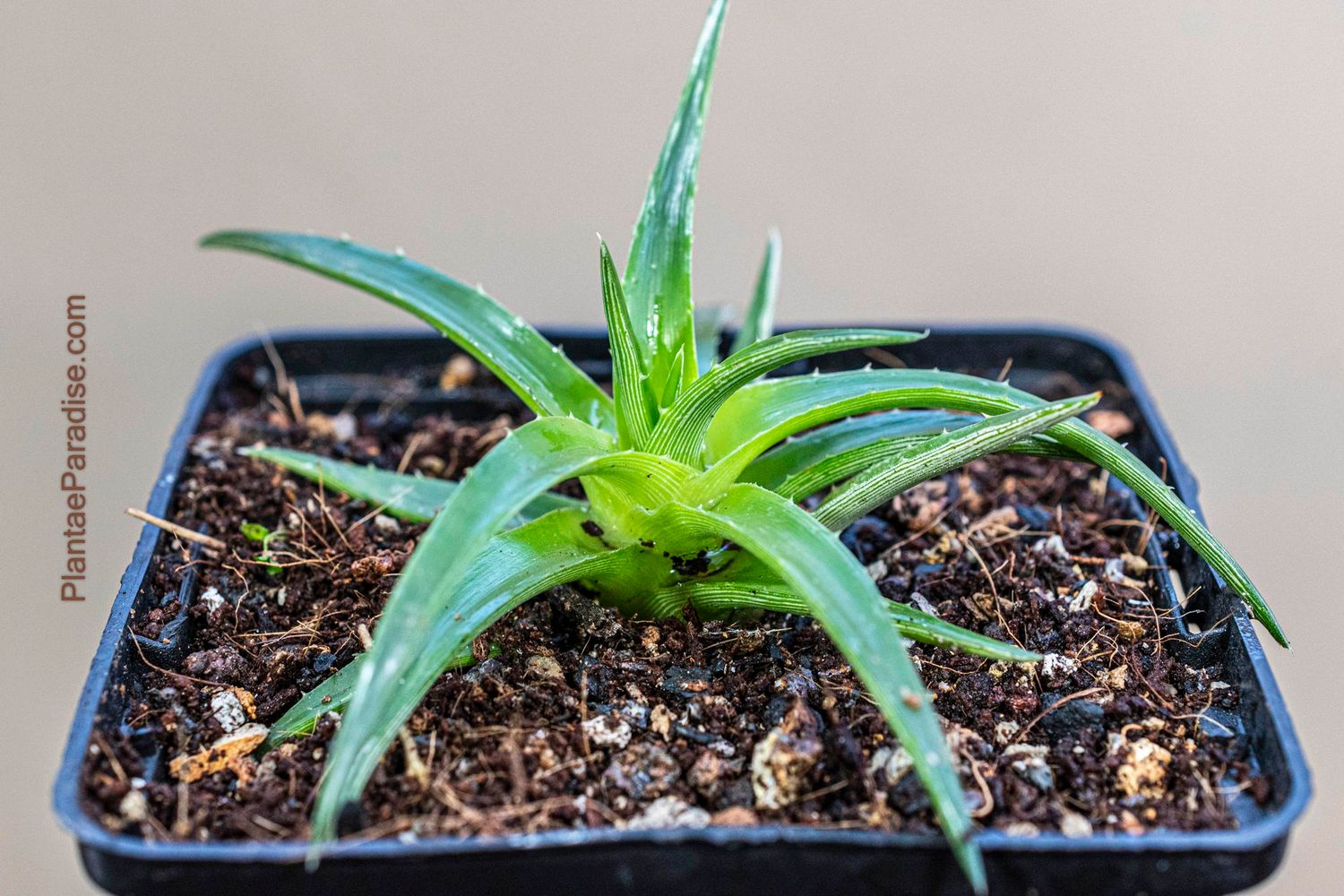
The Dyckia brevifolia forms a breathtakingly compact and symmetrical rosette of stiff, succulent leaves, typically reaching 15-30 cm (6-12 inches) in diameter. The leaves are its most defining feature: short, thick, and triangular to lanceolate, they are typically a vibrant green, but under stress from intense sunlight or cooler temperatures, they can blush a stunning reddish-bronze, dark purple, or even near-black, creating a dramatic visual impact. The most captivating and protective trait is the heavily armed margins of each leaf, lined with prominent, sharp, recurved teeth that give rise to its "Sawblade" nickname. These formidable spines offer protection and contribute to its architectural appeal. From the center of a mature rosette, a tall, slender inflorescence (flower spike) emerges, often reaching 30-60 cm (1-2 feet) in height. This spike is adorned with numerous, vivid bright yellow-orange, tubular flowers, creating a spectacular, long-lasting display that beautifully contrasts with the plant's robust foliage.
4. Conservation Status
While the genus Dyckia is diverse, Dyckia brevifolia is generally considered to be stable and not currently listed as endangered or critically threatened on the IUCN Red List of Threatened Species. Its ability to thrive in harsh, often inaccessible rocky environments contributes to its resilience. However, like all species, localized populations can be vulnerable to habitat degradation, urbanization, and unsustainable collection practices. Cultivation of Dyckia brevifolia by enthusiasts and nurseries plays a vital role in reducing any pressure on wild populations and ensuring the genetic diversity and availability of this unique plant for future generations.
5. Care
Despite its exotic origins and formidable appearance, Dyckia brevifolia is remarkably resilient and relatively easy to care for, making it a fantastic choice for collectors.
- Watering: Water thoroughly during the warmer growing season (spring and summer), allowing the soil to dry out completely between waterings. It is highly drought-tolerant and prefers less water. Reduce watering significantly in cooler months or during winter dormancy, keeping the soil almost completely dry.
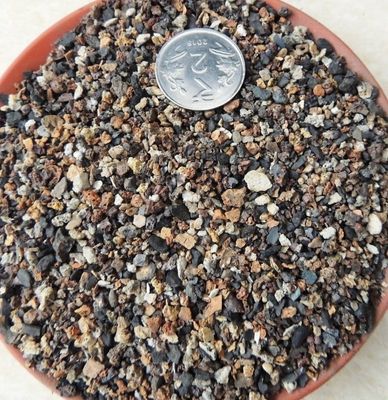
- Soil: Requires an extremely well-draining, gritty, and sandy cactus/succulent mix. A blend rich in inorganic materials like pumice, perlite, and coarse sand (e.g., 70-80% inorganic) is crucial to mimic its rocky native habitat and prevent root rot.
- Light: Provide full sun to very bright light. Intense sunlight is essential for compact growth, robust coloration, and successful flowering. In lower light, the plant may become leggy and lose its vibrant hues.
- Temperature: Tolerates heat extremely well. While it can handle light, brief frosts if kept perfectly dry, it is generally not frost-tolerant and should be protected from temperatures below -4°C (25°F), ideally kept above 5°C (41°F).
- Tips: Handle with extreme caution due to its sharp leaf margins. Always use thick gloves. Good air circulation is beneficial. Fertilize sparingly with a balanced, slow-release or diluted liquid fertilizer during the active growing season. It often produces offsets (pups) around the base, which can be removed and propagated once they reach a good size.
6. Engaging Anecdote
The Dyckia genus holds a unique place among bromeliads, breaking the mold of its more famous epiphytic (air plant) cousins. While many bromeliads perch in tree canopies, collecting water in their central "tanks," Dyckias like D. brevifolia have conquered the ground. This terrestrial adaptation, often in harsh, sun-baked, rocky environments, means they have evolved incredible resilience, often storing water not just in their roots but also in their thick, succulent leaves. The very structure of Dyckia brevifolia's leaves, with their sharp, downward-pointing teeth, is not only a defense mechanism but also a clever way to channel any precious rainwater or dew directly down to its root system, effectively "funneling" moisture in its arid home. This ingenious design allows it to thrive where few other plants dare, creating a miniature, self-sufficient ecosystem within its rosettes. Owning a Dyckia brevifolia is like possessing a small, living piece of ancient Brazilian landscape, a silent testament to the power of adaptation and the surprising tenacity of life against all odds.