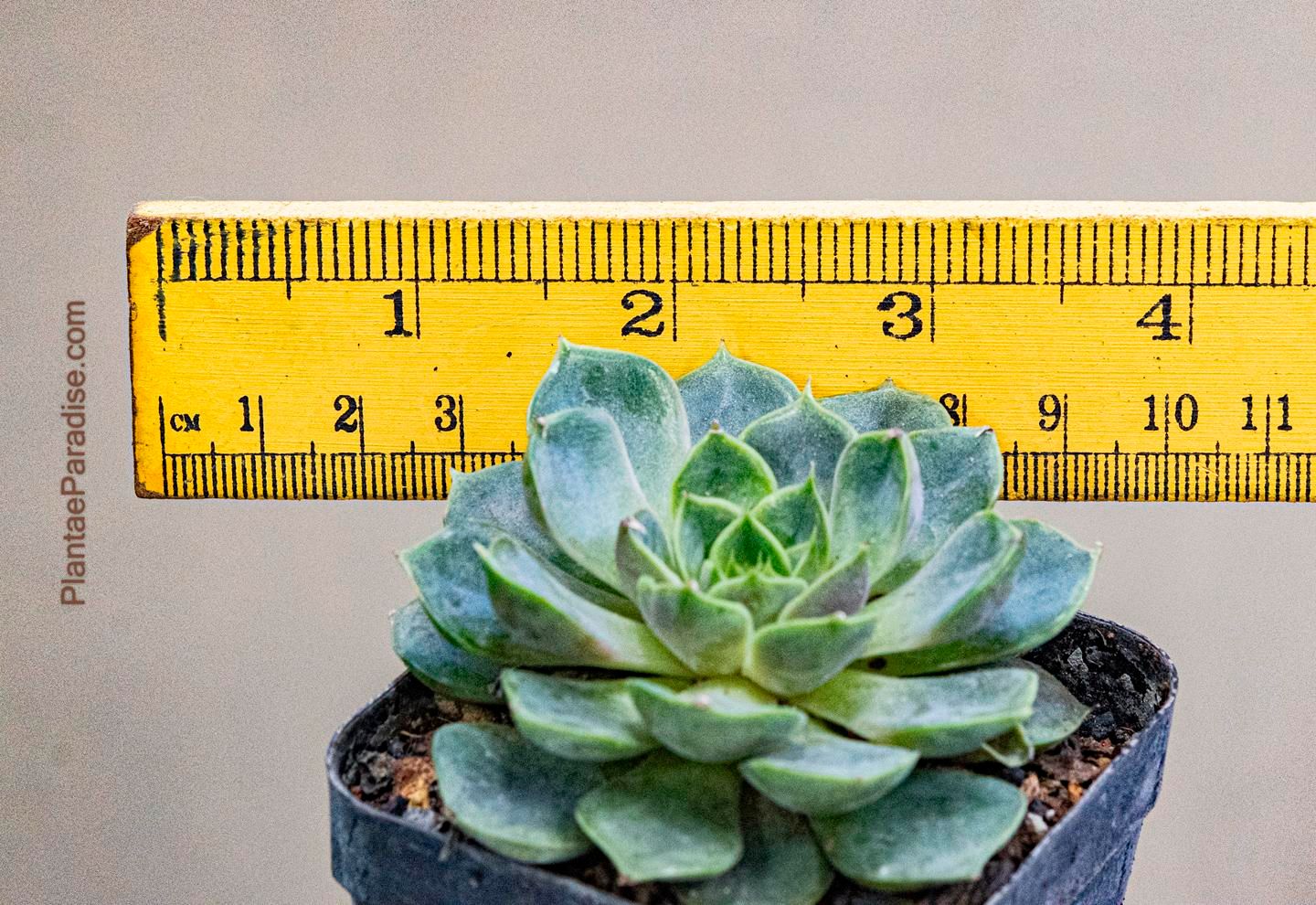
1. Origin of Name:
The name "Echeveria" pays tribute to the esteemed 18th-century Spanish botanist, Atanasio Echeverría y Godoy, known for his significant contributions to the study of Mexican flora. This vast genus of succulents is cherished for its impressive diversity and attractive rosette forms. "Cultivar" refers to a cultivated variety within the species, selectively bred for its distinctive characteristics such as color, shape, or size. These plants embody the botanical exploration spirit, celebrating ornamental horticulture and the cultivation of beauty in nature.
2. Origin of Plant:
Echeveria cultivars hail primarily from semiarid regions of Central America, particularly Mexico. They thrive in arid environments, demonstrating remarkable resilience and adaptability. Discovered by Spanish explorers and botanists, Echeverias quickly gained popularity across Europe, symbolizing the exotic allure of New World plants and the aesthetic potential of succulents.
3. Description:
Echeveria cultivars are adored for their stunning rosette formation and vibrant leaf colors, ranging from silvery-blue to pink, purple, and even burgundy. They typically grow to a height and width of 4-12 inches, though size varies with each cultivar. Echeverias may produce elegant stalks adorned with delicate, bell-shaped flowers in hues of red, orange, or yellow, adding a charming touch to their sculptural foliage. Each cultivar offers unique patterns, colors, and textures, captivating enthusiasts and collectors alike.
4. Conservation Status:
Echeveria cultivars are generally abundant and widely propagated, reducing the pressure on wild populations. However, some rare species may face threats from habitat loss and over-collection. Responsible cultivation, along with conservation efforts in native regions, supports these plants’ sustained availability and ecological welfare.
5. Care:
Caring for Echeveria cultivars involves replicating the well-draining, sun-drenched environments they favor:
- Watering: Water deeply but infrequently, allowing the soil to dry completely between waterings to prevent rot.
- Soil: Use a gritty, well-draining cactus mix to promote healthy root development.
- Light: Position in bright, indirect sunlight; ideally, they need about 6 hours of sunlight per day.
- Temperature: Echeverias prefer warm temperatures, ideally between 65°F (18°C) and 75°F (24°C). Protect from frost and extreme cold.
- Tips: Remove dead leaves to prevent pests, and rotate the plant periodically to maintain symmetrical growth.