Echeveria agavoides 'Lipstick'
1. Origin of Name:
The genus Echeveria is named after the 18th-century Mexican botanist Atanasio Echeverría y Godoy, whose work greatly contributed to the understanding of Mexican flora. The species agavoides means “resembling Agave,” referring to its pointed, succulent leaves that mimic some characteristics of Agave plants. The cultivar 'Lipstick' is affectionately named for its vibrant, lipstick-red tips that adorn the leaf edges, evoking images of bold, colorful lipstick and adding a lively splash of color to this elegant rosette.
2. Origin of Plant:
Native to Mexico and Central America, Echeveria agavoides thrives in rocky, arid environments with intense sunlight and well-draining soil. It has adapted to survive in rugged hillsides and desert landscapes, forming dense rosettes of pointed leaves. Cultivated since the early days of succulent collecting, 'Lipstick' is a cultivated variety selectively bred for its striking coloration and dramatic appearance—making it a favorite among succulent enthusiasts around the world.
3. Description:
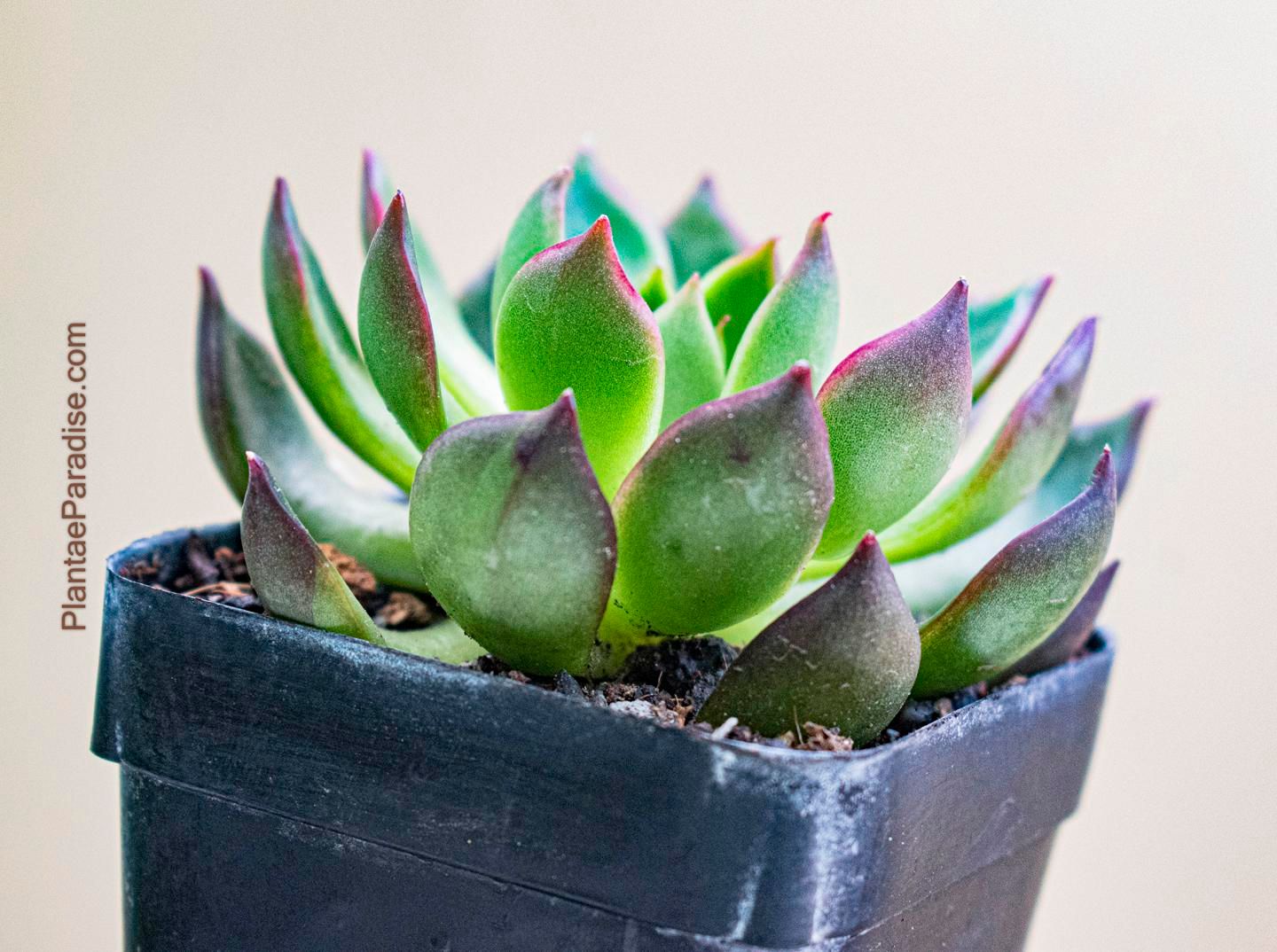
This stunning succulent forms a compact, symmetrical rosette with pointed, spear-shaped leaves that grow upright or slightly outward. The leaves are usually a pale green or bluish-green, with the edges and tips dramatically turning a vivid, lipstick-red or deep crimson—especially when exposed to bright sunlight or during periods of stress. The leaf tips resemble a splash of fiery lipstick, creating a bold contrast that enhances the plant’s architectural beauty. It typically reaches 4-6 inches across and is perfect for small pots, terrariums, or as a striking focal point in succulent arrangements. In spring or summer, it may produce small, bright yellow flowers on a tall stalk, adding to its ornamental appeal.
4. Conservation Status:
Echeveria agavoides 'Lipstick' is widely propagated in nurseries and online shops, and it is not threatened in the wild. Its popularity in collections and gardens supports sustainable cultivation practices. Responsible propagation and nursery breeding have helped maintain its availability without impacting wild populations.
5. Care:
- Watering: Water sparingly, allowing the soil to dry out completely between watering. Reduce frequency during winter dormancy.
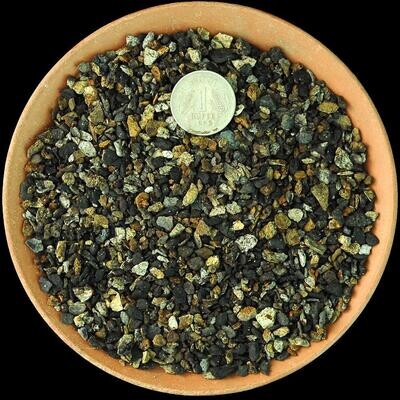
- Soil: Use a fast-draining cactus or succulent mix, supplemented with coarse sand or perlite to prevent water retention.
- Light: Thrives in full sun to bright, direct sunlight—optimal for developing its vivid red tips. Insufficient light may cause the plant to lose some of its coloration and etiolate (stretch).
- Temperature: Prefers warm temperatures between 65°F and 80°F (18°C to 27°C). Protect from frost—bring indoors or provide frost protection in colder climates during winter.
- Additional Tips: During periods of intense sunlight, the leaf tips will intensify their color, creating a striking visual contrast. Fertilize lightly with a diluted succulent or cactus fertilizer during the active growing season. Its low-maintenance nature and fiery accents make it a perfect addition to any succulent collection or décor.