Echeveria elegans
1. Origin of Name:
The genus Echeveria is named after the 18th-century Mexican botanist Atanasio Echeverría y Godoy, renowned for his work on Mexican flora. The species elegans is Latin for “elegant” or “graceful,” perfectly describing its refined and symmetrical rosette form. This name highlights the plant's delicate beauty and poised appearance, making it a favorite among succulent collectors and garden enthusiasts seeking a touch of sophistication.
2. Origin of Plant:
Native to Mexico, Echeveria elegans is naturally found in arid, rocky regions where it endures intense sunlight and minimal water. It thrives on rugged slopes and rocky outcrops, developing its distinctive, symmetrical rosettes as an adaptation to harsh conditions. Since its discovery, it has been cultivated globally, valued for its decorative appeal and resilience. Its origin in Mexico's desert landscapes contributes to its reputation as a hardy, drought-tolerant plant perfect for both indoor and outdoor gardens.
3. Description:
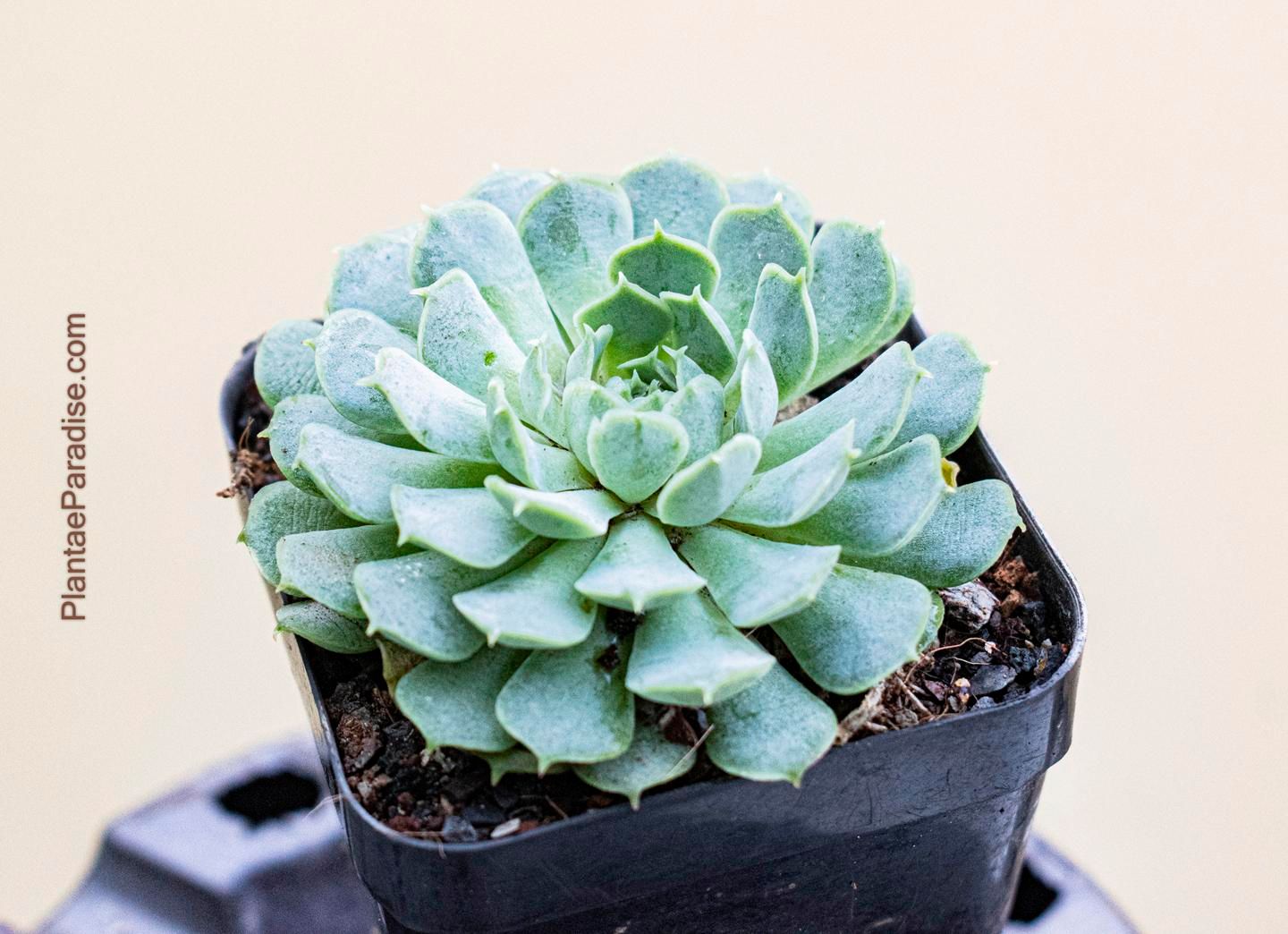
This perennial succulent features a tight, symmetrical rosette of fleshy leaves, typically forming a compact cluster about 4-6 inches across. The leaves are pale bluish-green, sometimes edged with a subtle pink or lavender hue, and have a smooth, matte surface. The plant’s elegant, cup-shaped rosette looks like a delicate flower bloom frozen in time. During spring and summer, it produces tall flower stalks topped with charming, star-shaped, yellow or orange blossoms, adding a cheerful touch to its sophisticated appearance. Its pristine shape and subtle hues make it an iconic ornamental succulent.
4. Conservation Status:
Echeveria elegans is widely cultivated and propagated in nurseries around the world. It is not threatened or endangered in its native habitat, with responsible cultivation ensuring its sustainable propagation. Its enduring popularity in succulent collections and garden designs supports conservation efforts by reducing wild harvesting and encouraging propagation through cuttings.
5. Care:
- Watering: Water sparingly—allow the soil to dry completely between watering. During winter, keep watering to a minimum to prevent root rot.
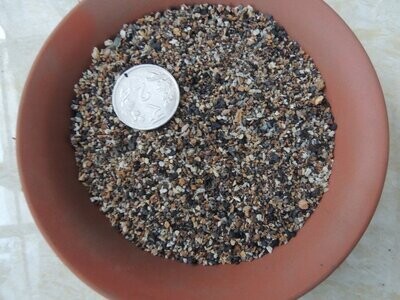
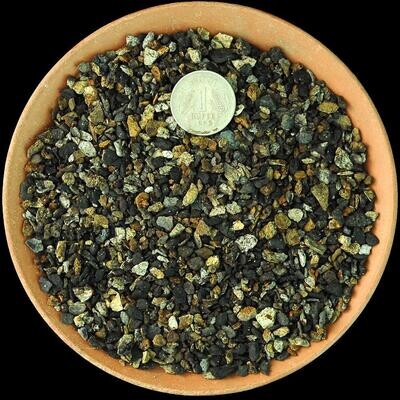
- Soil: Use a fast-draining cactus or succulent mix, ideally with added coarse sand or perlite for optimal drainage.
- Light: Prefers bright, direct sunlight for several hours daily to maintain its vibrant color and compact shape. Insufficient light may cause etiolation (stretching).
- Temperature: Grows best in warm temperatures between 65°F and 80°F (18°C to 27°C). Protect from frost—bring indoors or provide frost protection in colder climates.
- Additional Tips: Fertilize lightly during the growing season with a diluted succulent fertilizer. Its elegant form makes it perfect for small pots, decorative arrangements, or as a focal point in outdoor containers.