1. Origin of Name:
The genus "Echeveria" is named after Atanasio Echeverría y Godoy, a 19th-century Mexican botanical illustrator renowned for his detailed drawings of Mexico’s native flora, celebrating his legacy in botanical art and exploration. The species name "fabiola" is a nod to the Latin term “Fabiola,” often associated with the Latin word “fabilis,” meaning “able” or “capable,” but in this context it is often thought to honor a person or is simply a charming name that emphasizes its delicate beauty. The name fabiola highlights the plant’s refined and elegant appearance, making it a favorite among succulent collectors worldwide. First described in the early 20th century, Echeveria fabiola has since become a sought-after ornamental succulent thanks to its unique coloration and form.
2. Origin of Plant:
Native to the rocky, mountainous regions of Mexico, particularly in the states of Hidalgo and Puebla, Echeveria fabiola favors well-drained, mineral-rich soils and thrives in high-altitude environments characterized by intense sunlight and low humidity. Discovered during early botanical explorations of Mexico’s rugged terrains in the 20th century, it was appreciated early on for its striking rosette formation and its ability to adapt to extreme conditions. Its natural habitat includes rocky slopes and desert terrains, where it survives droughts and temperature variations, embodying the resilience typical of high-altitude succulents.
3. Description:
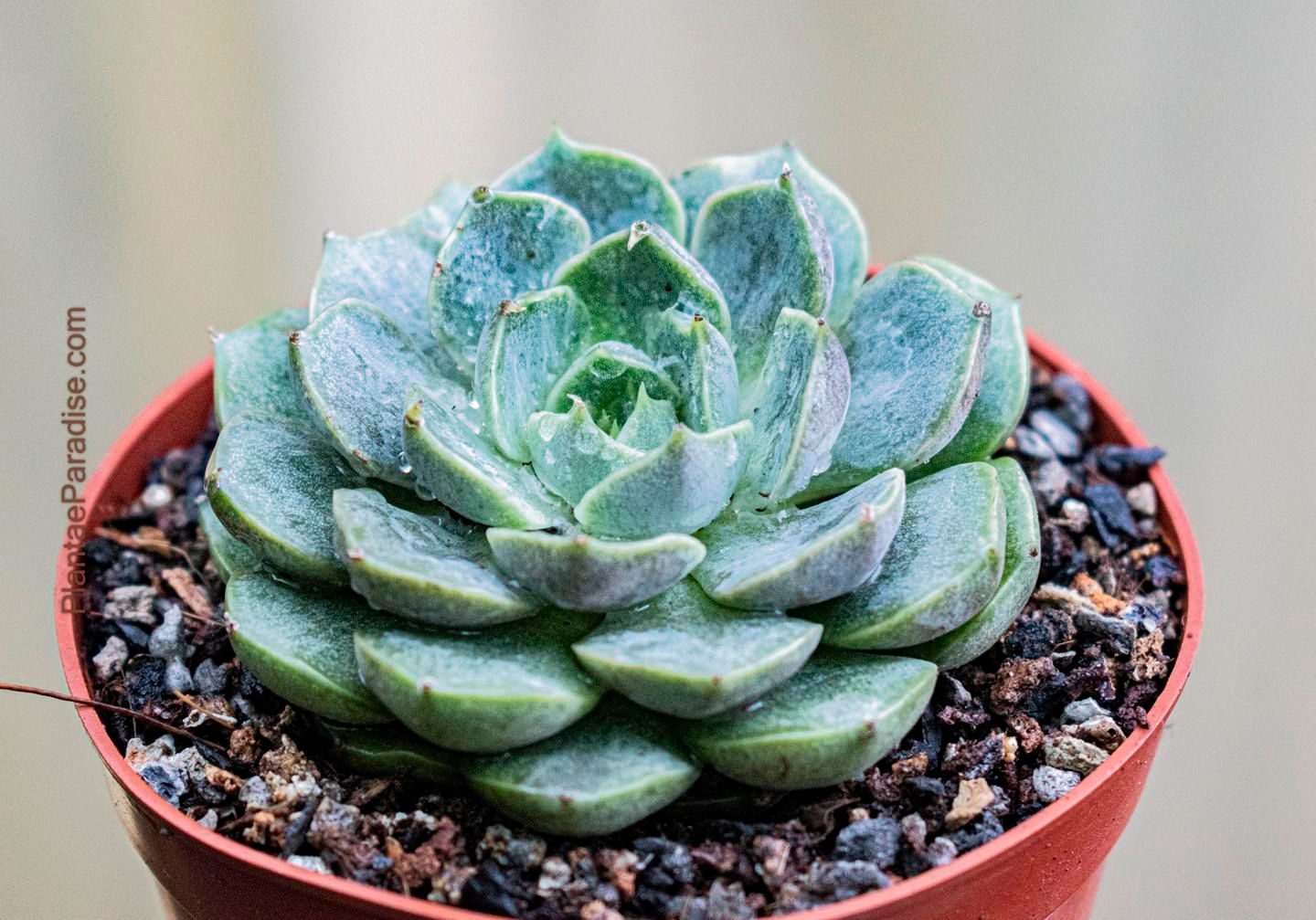
Echeveria fabiola forms compact, symmetrical rosettes typically 3-4 inches in diameter. Its fleshy leaves are a mesmerizing blend of pale blue-green, often with a faint pink blush along the edges, adding a touch of elegance and subtle color contrast. The leaves are smooth and slightly curved inward, creating a pleasing, symmetrical aesthetic. During the spring and early summer, slender stalks emerge from the rosette, bearing clusters of tubular, coral or orange flowers that attract pollinators with their warm hues and delicate scent. Its overall appearance makes it a stunning focal point in succulent arrangements, terrariums, or as a tabletop centerpiece—embodying grace, color, and natural artistry.
4. Conservation Status:
Echeveria fabiola is not currently listed as endangered; however, habitat loss from land development and illegal collection threaten its wild populations. Promoting responsible cultivation and propagation in nurseries helps safeguard this species, ensuring its beauty can be enjoyed worldwide without impacting native ecosystems.
5. Care:
To keep your Echeveria fabiola healthy and vibrant, follow these care tips:
- Watering: Water only when the soil has dried out completely, typically every 2-3 weeks in summer, less in winter. Avoid overwatering to prevent root rot.
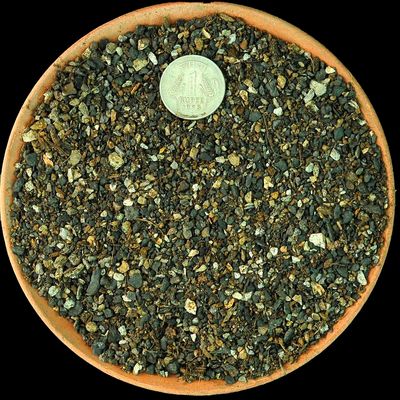
- Soil: Use a fast-draining, mineral-rich succulent or cactus mix with added coarse sand or grit.
- Light: Requires bright, direct sunlight for rich coloration and robust growth. Indoors, place near a south-facing window.
- Temperature: Prefers warm conditions, ideally between 65°F and 80°F (18°C - 27°C). Protect from frost—bring inside during cold months.
- Additional Tips: Fertilize lightly during the growing season with a diluted succulent fertilizer. Handle leaves carefully as they are delicate; repot every 1-2 years to refresh the soil.
Interesting Fact:
Native to Mexico’s high mountainous regions, Echeveria fabiola has long been admired by indigenous cultures that appreciated its ornamental beauty and resilience. Legend says that its delicate, pastel hues symbolize hope and renewal during the harsh drought seasons. Its elegant rosette form, combined with vibrant flower stalks, has earned it nicknames like “Mexican Gem,” inspiring succulent lovers worldwide to cultivate and cherish this artistic desert beauty. Its subtle shades and perfect symmetry remind us that perfection often comes in delicate, understated forms.