1. Origin of Name:
The genus "Echeveria" is named after Atanasio Echeverría y Godoy, a 19th-century Mexican botanical illustrator and naturalist who greatly contributed to documenting Mexico’s native flora. The genus name pays tribute to his artistic and scientific legacy. The species name "pulidonis" stems from Latin roots, with “puli-” derived from “puli,” meaning “little” or “small,” and “donis” possibly referencing “don” for gift or Lord, emphasizing the plant’s small but precious presence. The name pulidonis reflects its petite, delicate rosette form and prized ornamental qualities treasured by collectors and botanists alike. The plant was first described in the late 19th or early 20th century, as European botanists began cataloging Mexico’s diverse succulent flora.
2. Origin of Plant:
Echeveria pulidonis is native to the rocky, arid highlands and mountainous regions of Mexico, particularly in the states of Hidalgo and Puebla. It thrives in well-drained, rocky soils with minimal water and intense sunlight. Discovered during explorations of Mexico’s rugged terrains in the late 1800s, it was quickly recognized for its compact rosette and colorful, fleshy leaves. Its natural habitat is often among crags, rocky slopes, and open desert areas, where plants have adapted to survive in harsh conditions with sparse rainfall.
3. Description:
This charming succulent forms tight rosettes typically measuring 2 to 4 inches in diameter. Its fleshy, mint-green leaves are edged with a delicate, reddish tint, especially when grown in bright sunlight. The leaves are smooth and slightly pointed, arranged symmetrically to create a perfect, ornamental rosette. During spring and summer, Echeveria pulidonis produces upright stems topped with charming, bell-shaped flowers in shades of coral, orange, or red, attracting pollinators with their delicate beauty. Its small size, combined with vibrant floral displays, makes it an ideal choice for container gardens, terrariums, or rock gardens. This plant’s elegant form and color variation add a touch of softness and sophistication to any collection.
4. Conservation Status:
Echeveria pulidonis is currently not listed as threatened or endangered, though habitat destruction and collected overharvesting in its native Mexico pose concerns. Promoting responsible cultivation and habitat conservation is essential for its continued survival. As a popular ornamental, it is widely cultivated in nurseries globally, which helps alleviate pressure on wild populations.
5. Care:
To keep your Echeveria pulidonis thriving, follow these care tips:
- Watering: Water sparingly, allowing the soil to dry out completely between waterings. Reduce watering during winter dormancy.
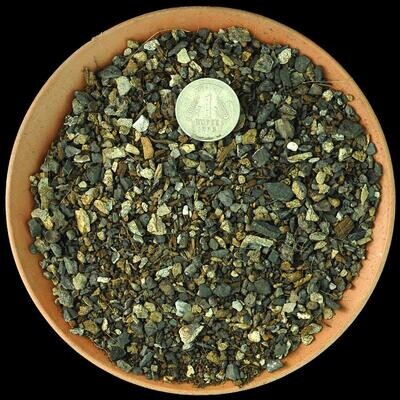
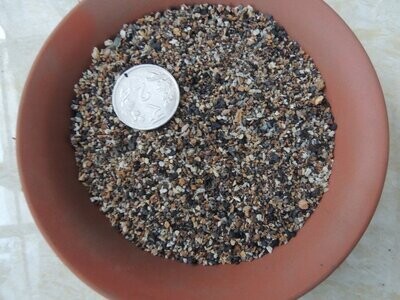
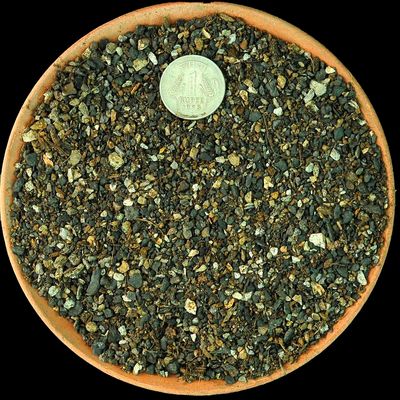
- Soil: Use a well-draining succulent or cactus mix, with added sand or pumice for excellent drainage.
- Light: Requires bright, direct sunlight for vibrant color expression and healthy growth. Indoors, place it near a sunny window.
- Temperature: Prefers warm temperatures between 65°F and 80°F (18°C - 27°C). Protect from frost—bring indoors or provide frost protection in cooler climates.
- Additional Tips: Fertilize with a diluted cactus or succulent fertilizer during the active growing season. Handle with care, as the leaves can be easily damaged, and ensure proper repotting every 1-2 years to refresh soil and promote bushier growth.
Interesting Fact:
Native to Mexico’s highlands, Echeveria pulidonis has long been appreciated not only for its beauty but also for its resilience in extreme conditions. An interesting story tells of indigenous cultures that used its vibrant rosettes as natural decorations during ceremonies, believing they symbolized life and renewal. Its compact form and cheerful colors have earned it nicknames like “Mexican Rainbow” among succulent enthusiasts worldwide, reminding us that even in the toughest environments, beauty can flourish in the most delicate, mesmerizing forms.