1. Origin of Name:
The genus "Echeveria" honors Atanasio Echeverría y Godoy, a celebrated 19th-century Mexican botanist and illustrator known for beautifully documenting Mexico’s native flora. The species name "madiba" is a tribute to Nelson Mandela, the revered South African anti-apartheid leader and Nobel Peace laureate affectionately called “Madiba.” This name was chosen to honor Mandela’s legacy of resilience, hope, and transformation—qualities reflected in the plant’s vibrant, uplifting appearance. The name "Madiba" adds a powerful symbolic layer, representing strength and renewal, much like the plant’s bold colors and resilient nature.
2. Origin of Plant:
Echeveria madiba is believed to be native to Mexico’s highland and semi-arid regions, thriving in rocky slopes, cliffs, and open desert landscapes. Discovered or cultivated in recent years by succulent enthusiasts and horticulturists inspired by its dynamic coloration and symbolic significance, it is quickly gaining popularity worldwide. Its vibrant hues and hardy nature make it a standout in succulent collections, symbolizing resilience and hope—core themes that resonate globally.
3. Description:
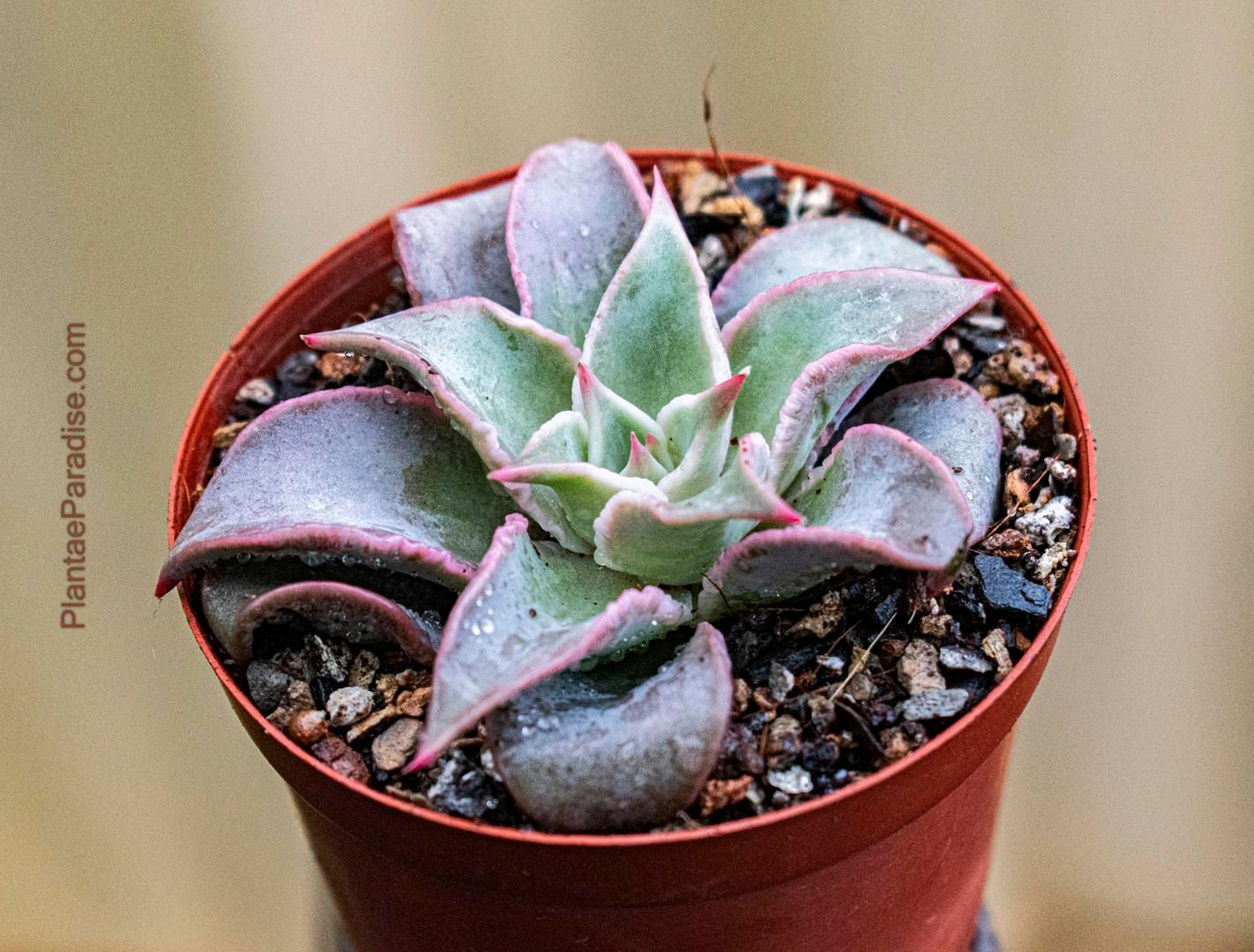
This striking succulent rosette typically measures 4-6 inches across, with leaves that radiate outward in a stunning array of colors—from bright coral and fiery red to deep violet and purple—creating an eye-catching gradient that resembles a sunset or sunrise. The leaves are thick, fleshy, and slightly pointed, arranged in a symmetrical, appealing star shape. During the blooming season, slender stalks emerge from the center, bearing delicate, tubular flowers in shades of orange, red, pink, or coral, which fill the air with their gentle fragrance and attract pollinators. Its vivid, fiery hues and regal form make Echeveria madiba a perfect focal point for collectors seeking both beauty and symbolism.
4. Conservation Status:
Echeveria madiba is currently not listed as threatened or endangered. However, habitat loss and overcollection in its native regions emphasize the importance of responsible cultivation and propagation. Cultivating this species in nurseries and collections helps conserve its wild populations and promotes awareness of the importance of protecting native plant habitats.
5. Care:
To enjoy your Echeveria madiba at its best:
- Watering: Water sparingly, approximately once every 2-3 weeks. Allow the soil to dry completely before watering again, especially in winter.
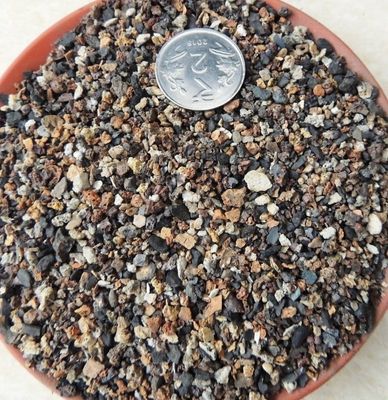
- Soil: Use a well-draining cactus or succulent mix with extra coarse sand or pumice for optimal drainage.
- Light: Needs plenty of bright, direct sunlight to maintain its vivid colors. Indoors, place near a south-facing window.
- Temperature: Prefers warm temperatures, ideally between 65°F and 80°F (18°C - 27°C). Protect from frost—bring indoors in cold weather.
- Additional Tips: Fertilize lightly during active growth with a diluted cactus fertilizer. Handle carefully, as the leaves are delicate, and repot every 1-2 years to refresh the soil.
Interesting Fact:
Echeveria madiba stands as a living tribute to Nelson Mandela’s legacy of hope, resilience, and renewal. Its fiery colors echo the passion of a movement that changed history, making it a symbol of strength and perseverance. Indigenous communities in Mexico and South Africa cherish plants like this as symbols of cultural pride and rebirth, reminding us that beauty and resilience can emerge even from the most challenging environments. Its striking hues and powerful symbolism make Madiba more than a plant—it’s a reminder that hope blossoms in adversity.