1. Origin of Name:
The name "Echinocactus" stems from the Greek words "echinos," meaning "hedgehog" or "sea urchin," and "kaktos," meaning "cactus," referencing the plant’s spiny, rounded appearance. The species name "grusonii" honors the German plant collector and botanist Friedrich Wilhelm Gruson, who first brought attention to this striking cactus in the late 19th century. Commonly known as the "Golden Barrel," this cactus earned its nickname from its vibrant, golden-yellow spines that resemble a shining, armored barrel, symbolizing resilience and desert charm.
2. Origin of Plant:
Echinocactus grusonii is native to the semi-arid regions of Mexico, particularly in the states of Querétaro and Hidalgo. It thrives in rocky, well-drained soils, often growing in the desert plains and hillsides. Discovered during botanical explorations in the late 1800s, the Golden Barrel quickly became a symbol of desert landscapes and a favorite among collectors for its striking symmetry and iconic form.
3. Description:
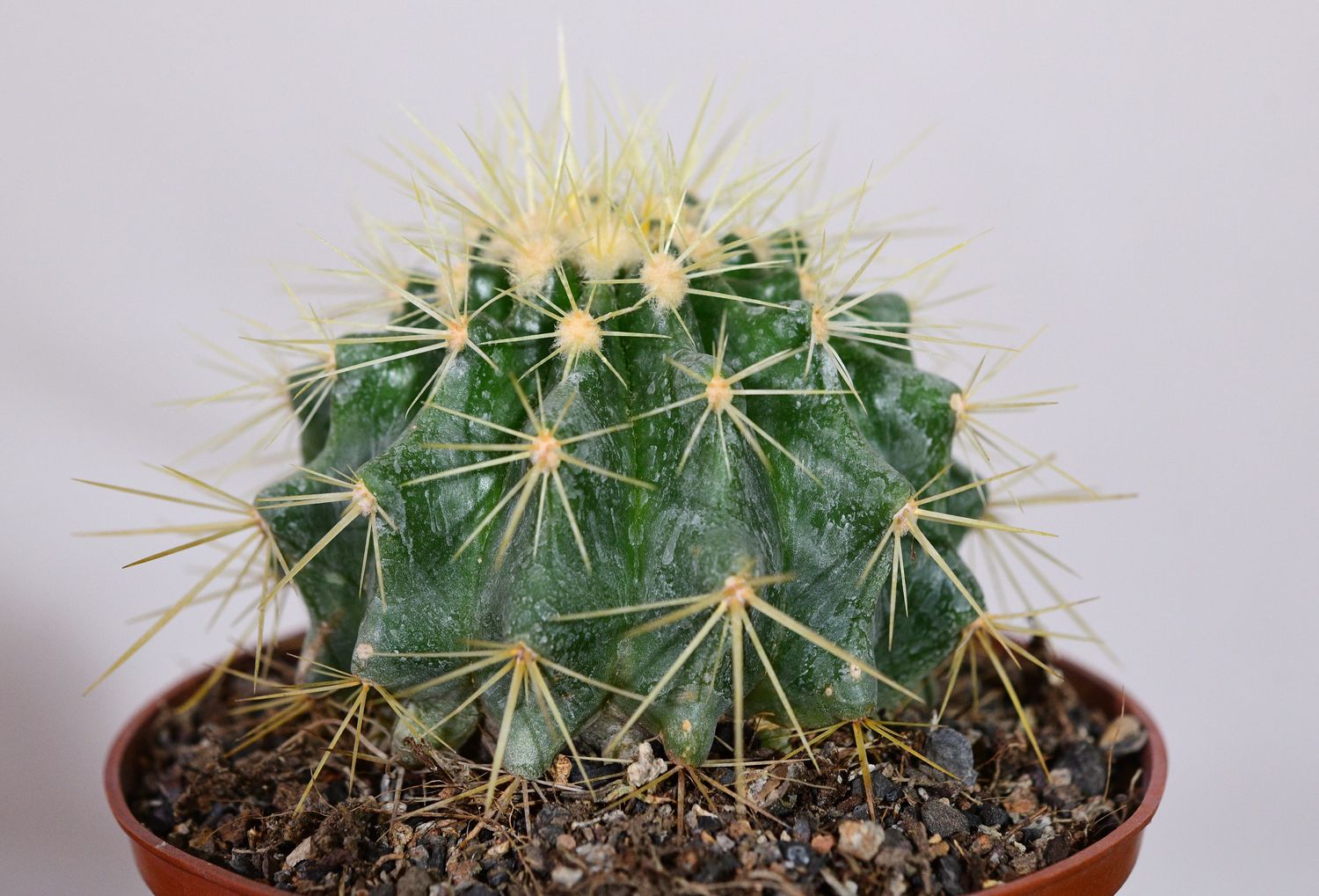
This emblematic cactus is renowned for its rounded, barrel-shaped body covered in dense, golden-yellow spines, creating a radiating pattern that resembles a sunburst. It typically reaches a height of 2-3 feet and a diameter of 3-4 feet when fully mature, making it a dramatic focal point in any garden or collection. During spring, it produces large, showy, yellow flowers that emerge from the top, adding a burst of color against its spiny exterior. Its symmetrical shape and luminous spines have made it one of the most recognizable cacti worldwide.
4. Conservation Status:
Currently classified as "Near Threatened" due to habitat loss, over-collection, and illegal trade, Echinocactus grusonii is protected under various conservation laws. Responsible cultivation and propagation efforts have helped reduce wild harvesting pressures. Supporting sustainable practices ensures that this iconic cactus remains available for future generations.
5. Care:
The Golden Barrel Cactus thrives with proper care:
- Watering: During active growth in spring and summer, water deeply every 4-6 weeks, ensuring the soil dries out completely between waterings. Reduce watering in winter.
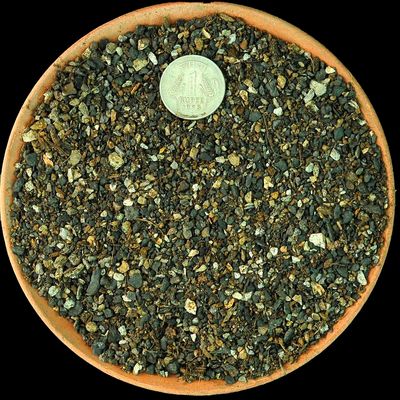
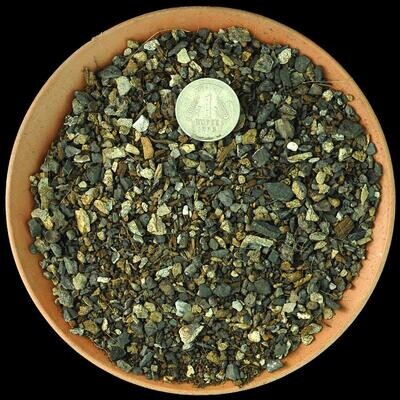
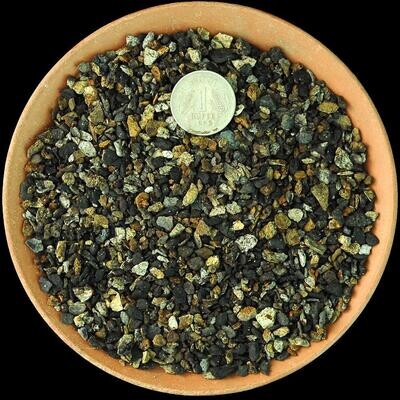
- Soil: Use a coarse, well-draining cactus mix, enriched with sand or perlite for optimal drainage.
- Light: Requires full sun, ideally 6 or more hours of direct sunlight daily to maintain vibrant spines and healthy growth.
- Temperature: Prefers warm temperatures between 65°F (18°C) and 90°F (32°C). Protect from frost and freezing temperatures.
- Tips: Fertilize sparingly during the growing season with a balanced cactus fertilizer. Be cautious of pests like scale insects and mealybugs.