Echinocactus texensis: The Elegant Texan Barrel Cactus
1. Origin of Name:
The name "Echinocactus" originates from Greek roots—"echinos," meaning "hedgehog" or "sea urchin," and "kaktos," meaning "cactus"—highlighting its spiny, spherical form. The species name "texensis" signifies its native region in Texas, where it was first identified and studied. Known colloquially as the "Texas Barrel Cactus," this species's name pays homage to its Texas roots and its striking, rounded appearance that resembles a classic barrel of the wild west.
2. Origin of Plant:
Echinocactus texensis is native to the arid, rocky regions of southwestern Texas and northern Mexico. It has adapted to survive in extreme desert conditions, thriving on rocky slopes and plains with minimal water and intense sunlight. Discovered during early botanical explorations of North American deserts, it remains an important symbol of the rugged beauty and resilience of the southwestern landscape.
3. Description:
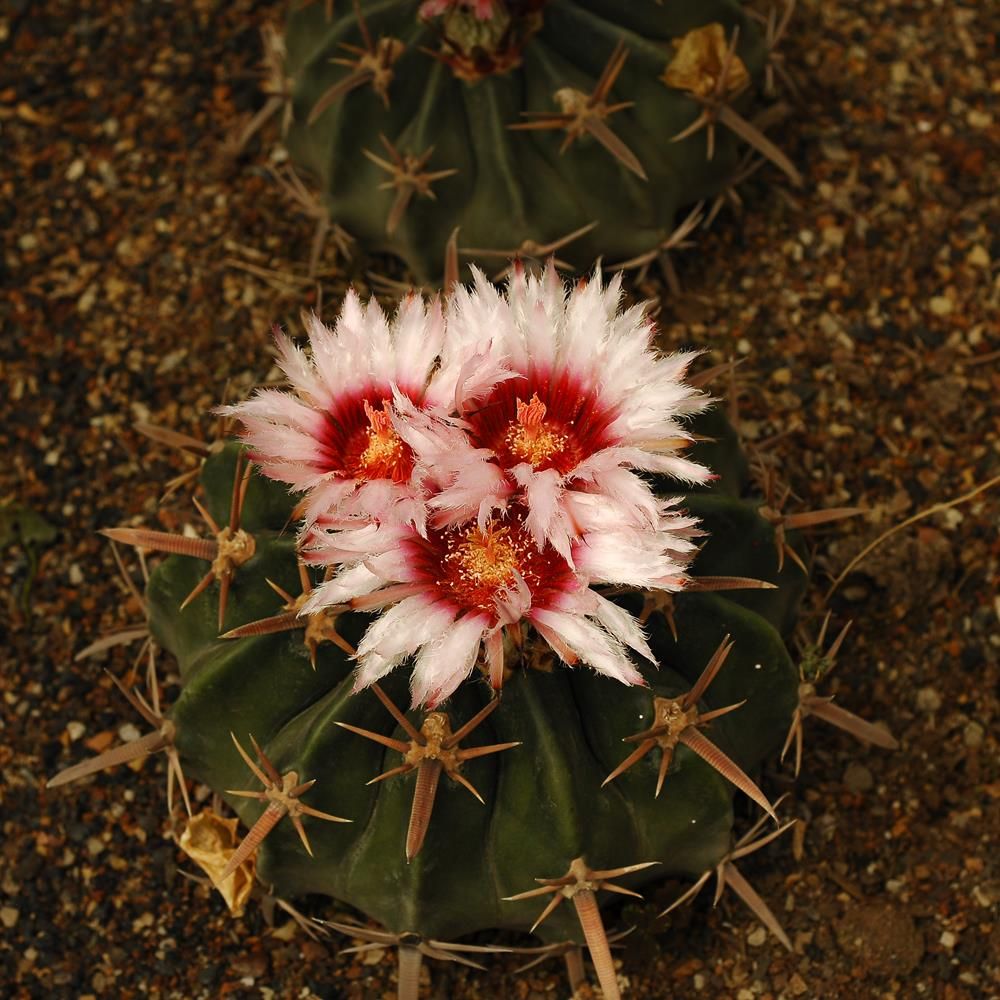
This captivating cactus features a globular, barrel-shaped body that typically reaches about 1 to 2 feet in height and diameter. Its surface is densely covered with prominent, golden-yellow to amber spines, radiating in a symmetrical pattern. During spring and summer, it produces large, bright yellow to orange flowers from the top of the plant, creating a stunning contrast against its spiny surface. Its elegant, rounded form and vibrant blooms make it a striking feature in both desert landscapes and cactus collections.
4. Conservation Status:
Currently, Echinocactus texensis is considered relatively common within its native range, but habitat disturbance and illegal collection can threaten local populations. Supporting responsible cultivation helps reduce pressure on wild populations and promotes conservation efforts. It’s important to purchase from reputable growers who propagate the plant sustainably.
5. Care:
Ensuring healthy growth for Echinocactus texensis involves replicating its native environment:
- Watering: Water deeply but infrequently, allowing the soil to dry out completely between watering. Reduce or stop watering during winter dormancy.
- Soil: Use a fast-draining cactus or succulent mix, with added coarse sand or gravel.
- Light: Needs full sun for at least 6 hours daily to develop its vibrant spines and flowers.
- Temperature: Prefers warm temperatures between 60°F (16°C) and 85°F (29°C), withstanding higher temperatures but vulnerable to frost—protect or bring indoors in winter.
- Tips: Fertilize lightly during the active growing season with a cactus fertilizer, and check regularly for pests such as scale or spider mites.
Echinocactus texensis embodies the hardy spirit of the Texas desert—its elegant form and fiery blooms make it a prized addition for any cactus enthusiast. It’s a symbol of desert resilience, enduring and thriving in the toughest conditions, and its striking appearance makes it a true standout in your collection.