Origin of Name:
Echinocereus brandegeei is named in honor of botanist Townshend Saint John Brandegee (1843–1925), a renowned American botanist and explorer credited with extensive cactus collections across Mexico and the southwestern United States. The genus name "Echinocereus" combines Greek roots: "echinos," meaning "hedgehog" or "spiny," and "cereus," meaning "torch" or "wax," vividly describing its spiny, torch-like appearance. The species epithet "brandegeei" pays homage to Brandegee’s pioneering contributions to cactus taxonomy and exploration during the late 19th and early 20th centuries. The plant was officially classified and named in recognition of his expeditions and discoveries related to North American desert flora. An intriguing historical note is how Brandegee’s meticulous documentation and collection efforts helped shape modern understanding of desert cacti, making the naming a fitting tribute to his legacy.
Origin of Plant:
Echinocereus brandegeei is native to the arid, rocky slopes and desert mountains of Baja California and parts of Sonora, Mexico. It thrives in well-drained rocky soils, often growing amid cactus blooms, cacti, and desert scrub. Discovered during late 19th-century expeditions, particularly those led by explorers and botanists inspired by the California Gold Rush era's scientific enthusiasm, this cactus is well-adapted to survive in extreme heat and low rainfall conditions. Its natural habitat has remained relatively untouched, preserving its status as a resilient desert dweller and an emblem of North American desert ecosystems.
Description:
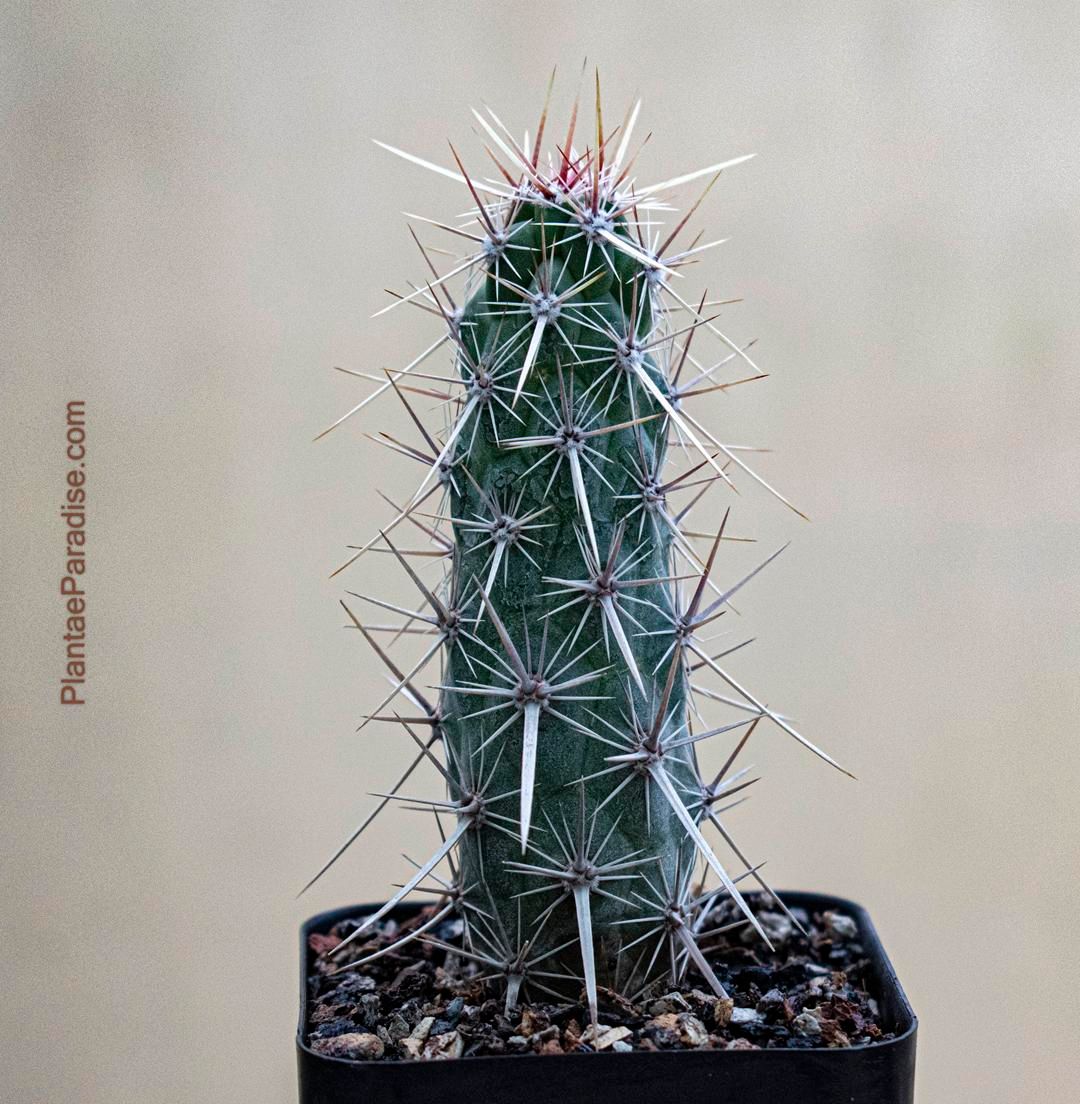
This captivating cactus features a compact, cylindrical stem that typically reaches 6 to 12 inches tall and about 2 to 4 inches thick. Its surface is densely covered in sharp, golden-yellow to brownish spines arranged in radiating clusters, giving it a striking, bristly appearance. When in bloom, Echinocereus brandegeei produces stunning, bright magenta to deep pink, funnel-shaped flowers with contrasting yellow-centered stamens. These blossoms are not only eye-catching but also fragrant, attracting pollinators like bees and hummingbirds. The plant’s sculptural form, combined with its vibrant blooms, makes it a perfect choice for collectors and desert garden enthusiasts seeking a distinctive and ornamental cactus with a touch of historical intrigue.
Conservation Status:
Echinocereus brandegeei is currently considered to have a stable population within its native range, though habitat disturbance and illegal collection pose potential threats. It is not listed as endangered but benefits from habitat preservation efforts in protected areas of Baja California and Sonora. Responsible sourcing and cultivation help ensure this plant continues to flourish both in the wild and in cultivated environments.
Care:
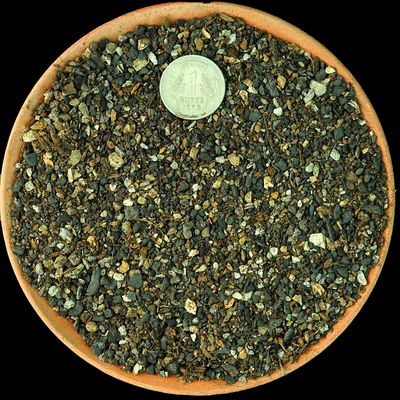
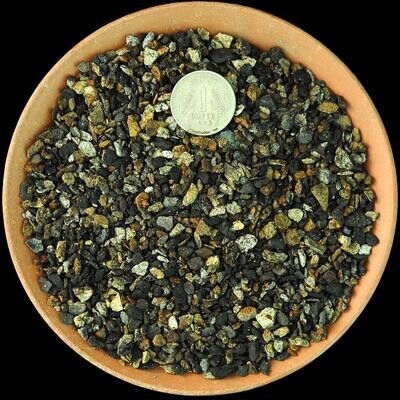
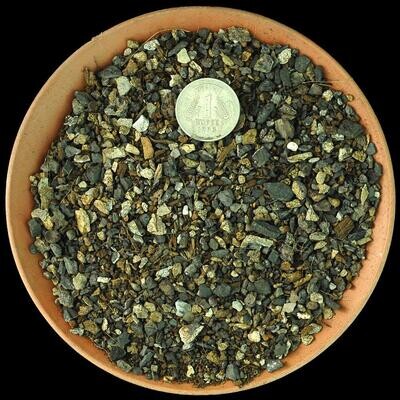
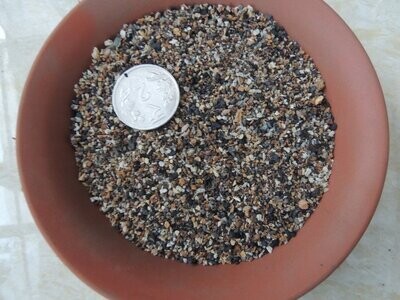
This hardy cactus thrives best in full sun, requiring at least 6 hours of direct sunlight daily. Use well-draining, gritty or sandy cactus soil to prevent water retention, which can lead to root rot. Water sparingly—allow the soil to dry out completely between waterings, approximately once every 3-4 weeks during the growing season. During winter dormancy, reduce watering further and keep the plant in a cool, frost-free environment; it can tolerate mild cold but should be protected from freezing temperatures. It prefers warm temperatures between 70-95°F (21-35°C), making it ideal for desert or indoor sunny windowsills. For healthy growth and abundant flowering, ensure proper drainage, adequate sunlight, and minimal watering—this resilient cactus will reward you with stunning blooms and a striking presence in any collection.