Echinocereus coccineus Slender Form
Product Details
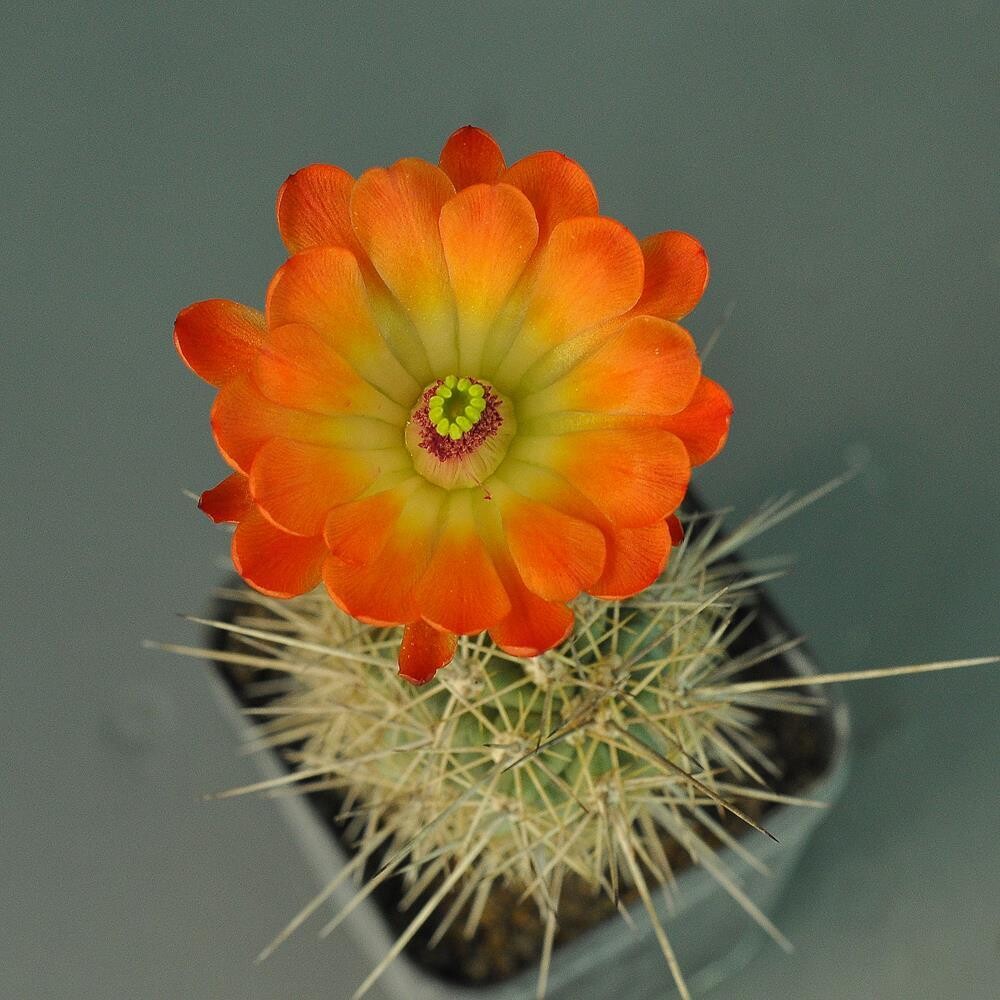
Scarlet Splendor: Echinocereus coccineus Slender Form
A rare, architectural marvel prized for its elegant verticality and vibrant floral display.
- Origin & History of Name: The genus name Echinocereus combines the Greek echinos (hedgehog) with the Latin cereus (wax candle), referencing its spiny, columnar form. The specific epithet coccineus is Latin for "scarlet-dyed," describing the brilliant red blooms. The "Slender Form" designation is a horticultural distinction used to identify specific populations or selected clones that exhibit a noticeably more attenuated and less globular growth habit than the standard species.
- Morphology: This cactus is characterized by its elongated, cylindrical stems featuring a deep green epidermis.
- Habitat & Origin: This is a naturally occurring variation of the wild species native to the high deserts and rocky slopes of the Southwestern United States and Northern Mexico. This specific form is sourced through ethical nursery propagation via seed or offset cuttings to ensure the sustainability of wild populations and prevent habitat degradation.
- Cultivation Profile:
- Substrate: Use a strictly mineral-based mix consisting of 70% grit (pumice, perlite, or crushed brick) and 30% organic matter to prevent root rot in humid Indian climates.
- Light: Requires full sun to bright, filtered light.
- Water/Dormancy: Water deeply only when the medium is bone-dry. In India, maintain a strict dry dormancy from November to February; withholding water during the cooler months is essential to trigger spring flowering.
- Scientific/Historical Anecdote: Echinocereus coccineus was among the first cacti studied for its unique sexual reproduction; it is often "subdioecious," meaning some plants have male flowers, some have female flowers, and others are hermaphroditic. Early botanical explorers in the 19th century were often baffled by these "incomplete" flowers, leading to several redundant classifications before the species' complex biology was fully understood.
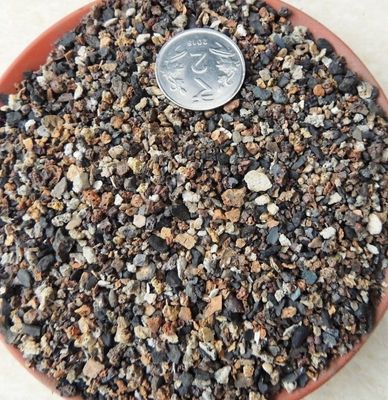
Cactus & Succulent Planting Mix FINE (aka Cactus Soil Mix or Succulent Soil Mix)
Cactus & Succulent Planting Mix FINE (aka Cactus Soil Mix or Succulent Soil Mix)
Fine-Grain Potting Mix for Cactus & Succulent Roots
SKU MNS001
₹33.74
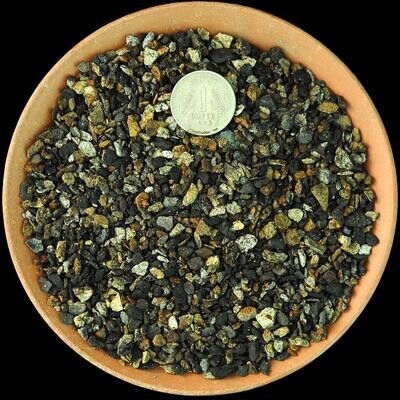
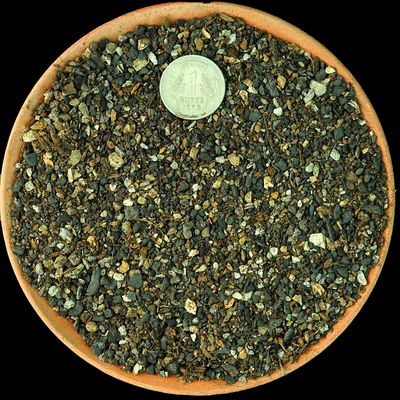
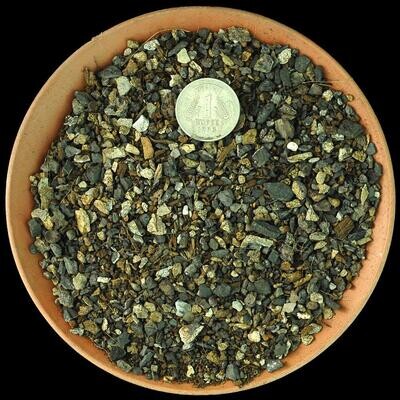
Cactus & Succulent Planting Mix COARSE (aka Cactus Soil Mix or Succulent Soil Mix)
Cactus & Succulent Planting Mix COARSE (aka Cactus Soil Mix or Succulent Soil Mix)
Washed, Free-Draining Mineral Mix for Cactus & Succulents
SKU MNS003
₹38.74