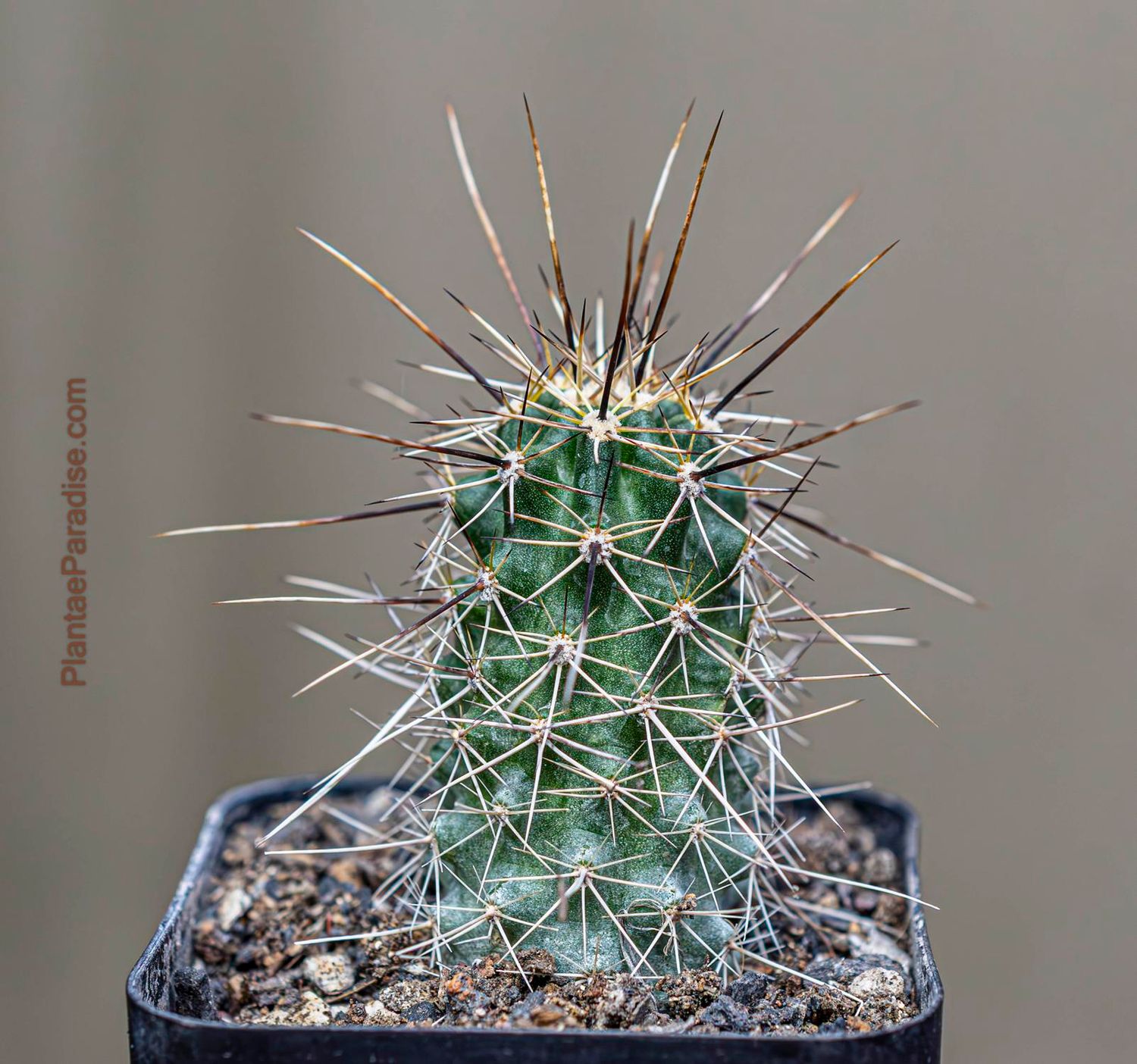
Echinocereus engelmannii v. variegatus SB 844 N of Navajo County Arizona
1. Origin of Name
The genus name, Echinocereus, is a fascinating blend of Greek and Latin. "Echinos" (Greek) means "hedgehog" or "sea urchin," a clear nod to the typically spiny, often densely covered stems of these cacti. "Cereus" (Latin) translates to "wax taper" or "candle," historically used for upright, columnar cacti. Together, it paints a vivid picture of a spiny, candle-like plant. The specific epithet, engelmannii, honors the prodigious German-American botanist and physician George Engelmann (1809-1884). Engelmann was a titan in 19th-century American botany, renowned for his extensive work classifying and describing North American flora, especially cacti. His meticulous observations provided the foundation for much of our understanding of these desert marvels. The varietal name, variegatus, is Latin for "variegated" or "diverse in color," a perfect descriptor for the stunning, multi-hued spines that are the hallmark of this particular form. The "SB 844" denotes a specific collection number by Steven Brack, a respected cactus collector and nurseryman, while "N of Navajo County Arizona" pinpoints the exact geographical provenance of this particular genetic line.
2. Origin of Plant
Echinocereus engelmannii is a widespread and iconic inhabitant of the Sonoran and Mojave Deserts, spanning across the southwestern United States (including California, Arizona, Nevada, Utah) and northern Mexico. This particular variety, E. engelmannii v. variegatus, is found in specific locales within this vast range, often clinging to rocky slopes, gravelly flats, and desert mesas. The provenance "SB 844 N of Navajo County Arizona" tells us that this specific lineage originates from a population found just north of Navajo County in Arizona, a region known for its dramatic desert landscapes and unique biodiversity. These cacti thrive in arid environments, enduring intense sunlight and fluctuating temperatures, a testament to their remarkable adaptability. Early botanical explorations of the American West, often accompanying geological surveys and expeditions, were crucial in documenting these species, with Engelmann himself playing a central role in their formal description during the mid-1800s.
3. Description
The Echinocereus engelmannii v. variegatus is a true showstopper, forming dense, multi-stemmed clumps that can spread impressively over time. Its individual stems are typically cylindrical, erect, and stout, usually reaching heights of 10 to 30 cm (4-12 inches) and diameters of 3 to 7 cm (1.2-2.8 inches). Each stem boasts 10 to 14 well-defined ribs. The most striking feature of the 'variegatus' form is its densely packed, colorful spines. These are not merely protective; they are a vibrant display, varying dramatically in hue from brilliant reddish-brown, deep purple, or sunny yellow to stark white or dark brown, often creating a dazzling, iridescent effect. Typically, there are 1-6 central spines, which are usually longer and stouter, surrounded by 8-16 radial spines. In spring, this spiny beauty erupts with large, magnificent funnel-shaped flowers. These are typically a glossy magenta to deep purple, sometimes appearing pink or lavender, and are a breathtaking sight against the colorful spination. Following the flowers, the plant produces distinctive, spiny, edible red fruits, often likened to small strawberries, hence its common name, "Strawberry Hedgehog Cactus."
4. Conservation Status
Echinocereus engelmannii as a species is generally common and widespread throughout its extensive natural range, and is not currently listed as endangered or threatened by major conservation organizations. Its adaptability allows it to thrive in various desert microclimates. However, specific localized populations, especially unique varieties like variegatus, can face pressures from habitat disturbance due to development, agricultural expansion, and unfortunately, illegal collection for the horticultural trade. While this particular variety is not critically endangered, responsible sourcing from cultivated plants, like this SB 844 selection, helps to protect wild populations and their fragile ecosystems.
5. Care
Despite its exotic appearance, the Echinocereus engelmannii v. variegatus is a remarkably resilient and rewarding cactus for both novice and experienced growers.
- Watering: This is a true desert plant. Water sparingly and deeply only when the soil is completely dry to the touch, typically once every 2-4 weeks during its active growing season (spring through early fall). In winter, reduce watering significantly or cease entirely to prevent rot.
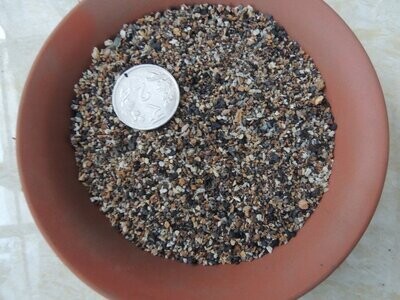
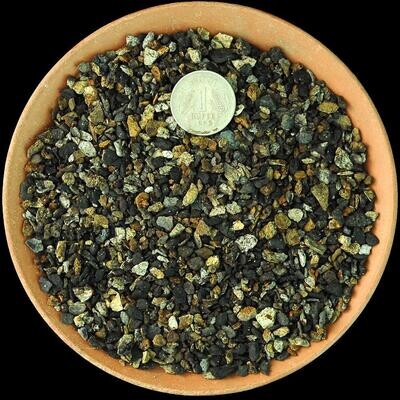
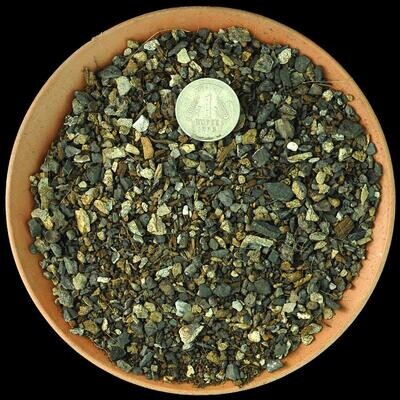
- Soil: Crucial for its health is an extremely well-draining, gritty mineral-based cactus mix. A blend containing significant proportions of pumice, perlite, coarse sand, and a small amount of organic material is ideal. Avoid heavy, moisture-retentive soils.
- Light: Provide full sun for optimal growth, spine coloration, and abundant flowering. It thrives in bright, direct light. In excessively hot climates, some afternoon shade might be beneficial to prevent scorching, but generally, the more sun, the better.
- Temperature: It is quite cold-hardy, tolerating temperatures down to about -7°C (20°F) when kept dry. However, it's best to protect it from prolonged freezing temperatures, especially if there's any moisture. It loves warm to hot temperatures during its growing season.
- Tips: Ensure excellent air circulation. Fertilize lightly with a low-nitrogen cactus fertilizer during the growing season. Repotting is infrequent due to its slow growth and preference for being somewhat pot-bound.
6. Engaging Anecdote
The story of the Echinocereus engelmannii is deeply intertwined with the pioneering spirit of 19th-century American botany. George Engelmann, the botanist for whom this species is named, was not just a desk botanist; he was an indefatigable collector and an expert at extracting botanical data from the rugged American West. He often collaborated with legendary explorers and scientists like Josiah Gregg, who journeyed across the Santa Fe Trail, and John C. Frémont, whose expeditions opened up much of the American West. Engelmann meticulously studied the specimens they brought back, often drawing and describing them with incredible precision, often without ever seeing the plant in its natural habitat. It was his detailed work that established the foundation for understanding North American cacti, many of which he recognized for the first time. The "Strawberry Hedgehog Cactus," as many Echinocereus are colloquially known, also carries a culinary history. Its sweet, spiny fruits were a valuable food source for indigenous peoples and early settlers, offering a refreshing treat in the harsh desert landscape. Owning an Echinocereus engelmannii v. variegatus is not just cultivating a beautiful plant; it's holding a living piece of American botanical history and a testament to nature's delicious desert bounty.