

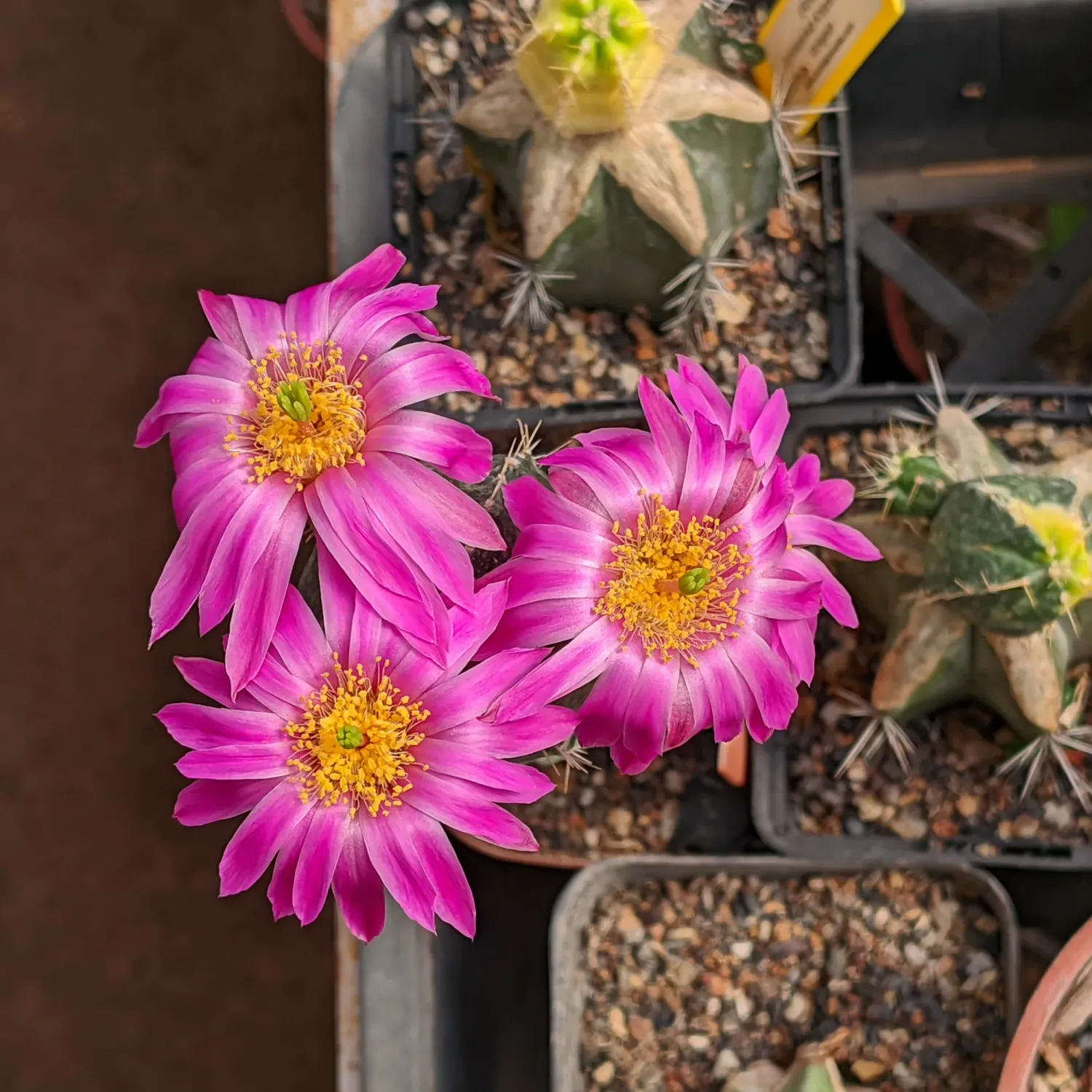
Echinocereus knippelianus Variegata
Product Details
Radiant Rarity: Echinocereus knippelianus Variegata
A kaleidoscopic treasure for the connoisseur, this variegated gem elevates any collection with its singular, sun-drenched geometry.
- Origin & History of Name: The genus name Echinocereus stems from the Greek echinos (hedgehog or sea urchin) and the Latin cereus (wax candle), referencing its spiny, columnar growth.
The species name knippelianus honors Karl Knippel, a prominent 19th-century German succulent nurseryman. The "Variegata" suffix denotes the genetic mutation responsible for its striking pigment patterns. - Morphology: This cactus features a soft, globose epidermis characterized by a lack of heavy spination. Its costae (ribs) are broad and flat, providing a canvas for the variegation—a lack of chlorophyll in certain patches that creates vivid yellow or cream marbling against the deep green skin. It produces large, funnel-shaped pink to violet flowers that appear disproportionately large for its size.
- Habitat & Origin: While the base species is native to the high-altitude forests of Nuevo León and Coahuila, Mexico, the Variegata form is a cultivar. These specimens are specifically selected and propagated in nursery environments to preserve the unstable genetic mutation. Our plants are ethically lab-propagated or nursery-grown to ensure no impact on wild populations.
- Cultivation Profile:
- Substrate: Use a strictly mineral-based mix (70% pumice, perlite, or crushed brick with 30% organic matter). Avoid standard garden soil which retains too much humidity in Indian climates.
- Light: High indirect light or morning sun. In India, protect from the scorching midday sun (12 PM – 4 PM), as the variegated (yellow) patches lack protective chlorophyll and scorch easily.
- Water/Dormancy: Follow a "soak and dry" method. During the monsoon, keep strictly dry to prevent root rot. Provide a dry winter dormancy from November to February to encourage spring blooming.
- Scientific/Historical Anecdote: Echinocereus knippelianus is unique within its genus because it often grows almost entirely buried in the wild, with only the flat top visible—a survival strategy called "geophytic" growth. The variegated cultivar is particularly prized because, unlike many other cacti, its soft skin allows the internal "glow" of the yellow mutation to be visible even in low-light settings.
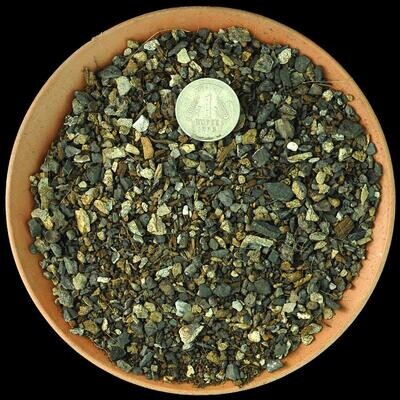
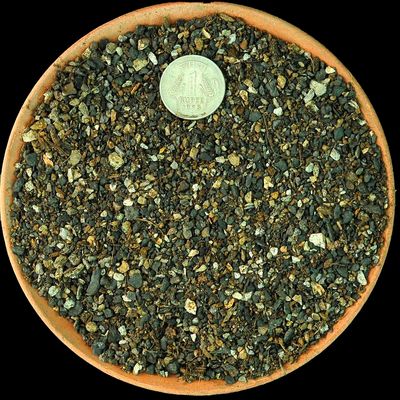
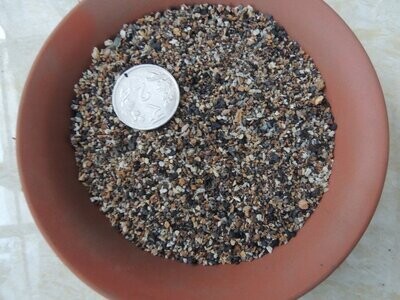
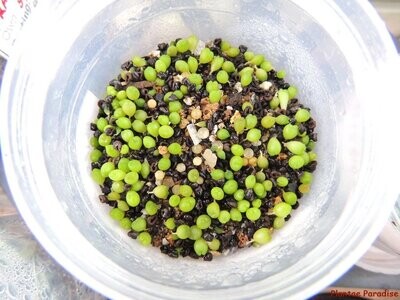
Cactus Seed Planting Mix
Cactus Seed Planting Mix
Sterile, Fine-Grain Media for Cactus & Succulent Seeds
SKU MNS005
₹74.85
New

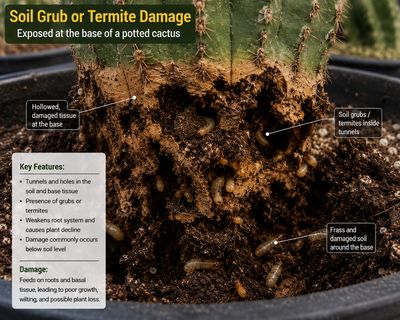
Monsoon Guardian Kit (5 in 1)
Monsoon Guardian Kit (5 in 1)
Complete 5-in-1 biological protection kit for cacti & succulents
SKU MNS024
₹850.00