Echinocereus nivosus crest
Product Details
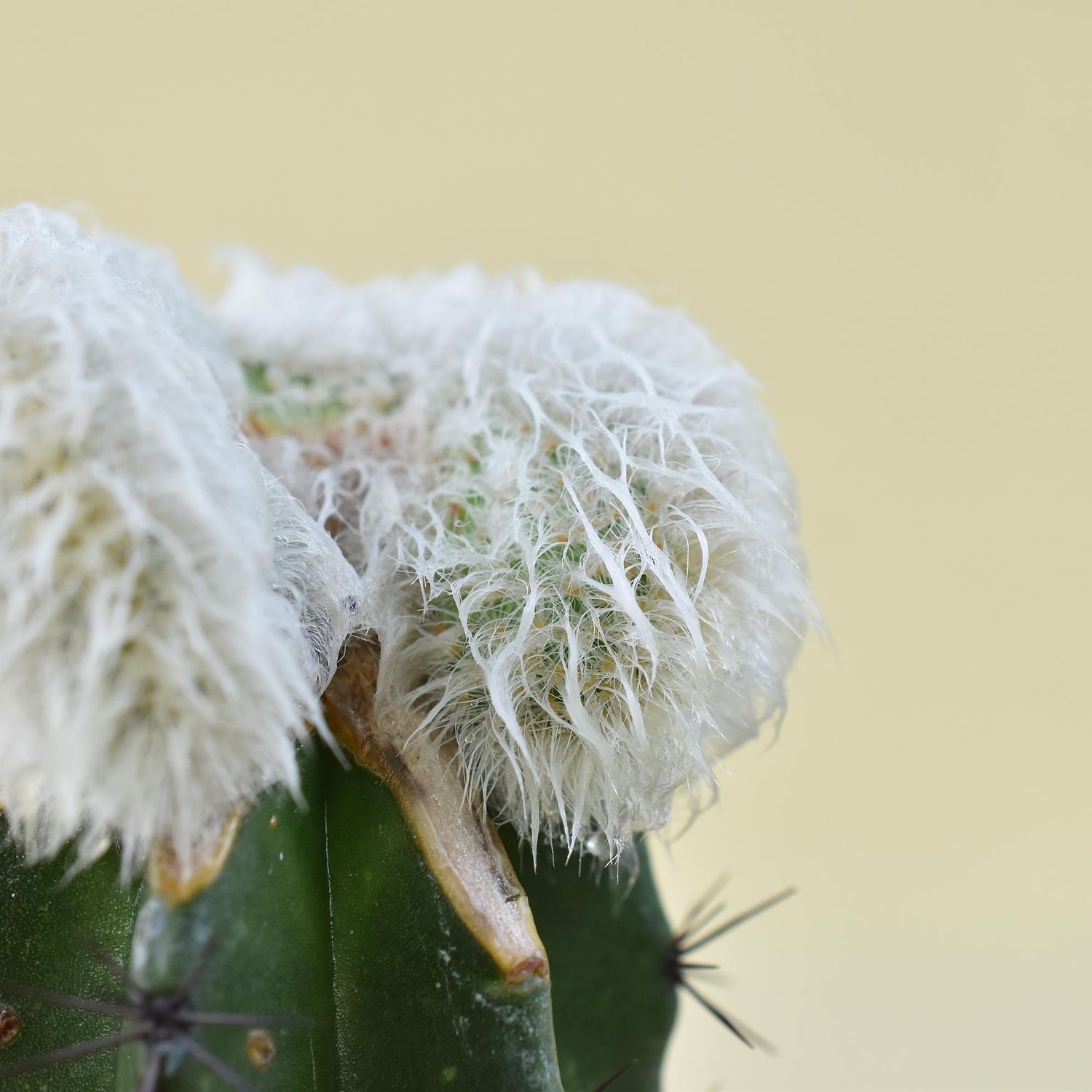
Snowy Sculptural Wonder: Echinocereus nivosus Crest An architectural rarity for the serious collector, featuring a dense, silvery-white coat and a highly sought-after crested growth habit.
- Origin & History of Name The genus name Echinocereus is derived from the Greek echinos (hedgehog) and the Latin cereus (candle), referring to the plant’s spiny, columnar form.
The specific epithet nivosus is Latin for "snowy," a nod to the dense, white spines that cloak the plant. It was formally described by botanist Glass & Foster in 1971, who recognized its distinct, bright white appearance compared to other members of the genus. - Morphology This specimen displays a fasciated (crested) growth pattern, where the apical meristem (growth point) expands laterally to create undulating, brain-like folds rather than a standard cylinder. The epidermis is completely obscured by a high density of fine, pectinate radial spines. Unlike many cacti, this "snowy" coverage acts as a natural UV shield, protecting the plant's internal tissues from solar radiation while maintaining its striking monochromatic aesthetic.
- Habitat & Origin The base species is a wild-type cactus endemic to the high-altitude regions of Coahuila, Mexico.
However, the "crest" form is a rare mutation typically propagated in cultivation via grafting or cuttings to preserve the unique genetic deformity. Our specimens are nursery-grown through sustainable vegetative propagation, ensuring no impact on wild populations. - Cultivation Profile
- Substrate: Requires a strictly mineral-based mix (60-70% inorganic material). Use a blend of coarse sand, perlite, and crushed volcanic rock (lava grit) to ensure rapid drainage.
- Light: Thrives in bright, indirect sunlight. In the Indian subcontinent, provide 40–50% shade during the intense summer months (April–June) to prevent scorching of the crest’s delicate folds.
- Water/Dormancy: Follow a "soak and dry" method during the growing season. In the Indian monsoon, maintain strict dryness to prevent fungal rot. The plant enters cool-season dormancy from November to February; water should be withheld almost entirely during this period.
- Scientific/Historical Anecdote The genus Echinocereus is often nicknamed the "Strawberry Cactus" because many species produce edible, fleshy fruits that taste remarkably like strawberries.
While E. nivosus is primarily prized for its silver spines and magenta flowers, it belongs to this unique group of cacti that were historically utilized by indigenous populations in North America as a seasonal food source.
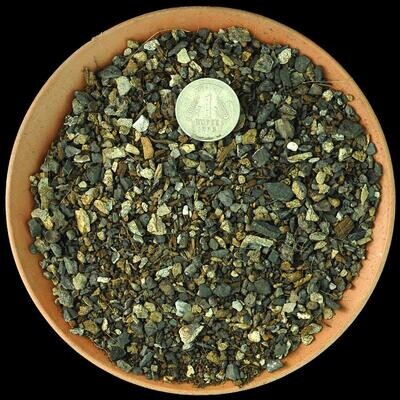
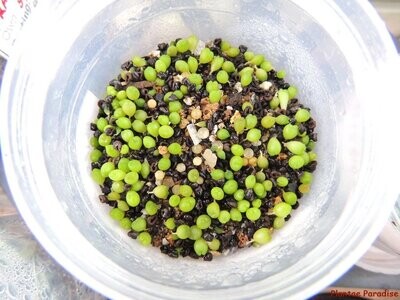
Cactus Seed Planting Mix
Cactus Seed Planting Mix
Sterile, Fine-Grain Media for Cactus & Succulent Seeds
SKU MNS005
₹74.85
New
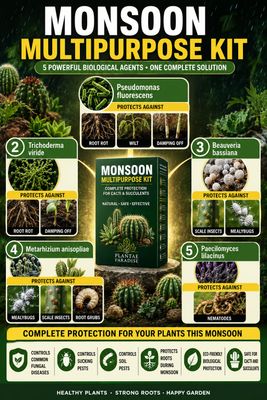
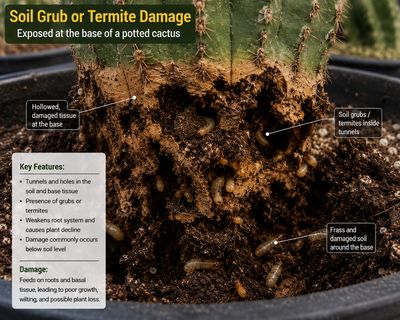
Monsoon Guardian Kit (5 in 1)
Monsoon Guardian Kit (5 in 1)
Complete 5-in-1 biological protection kit for cacti & succulents
SKU MNS024
₹850.00