

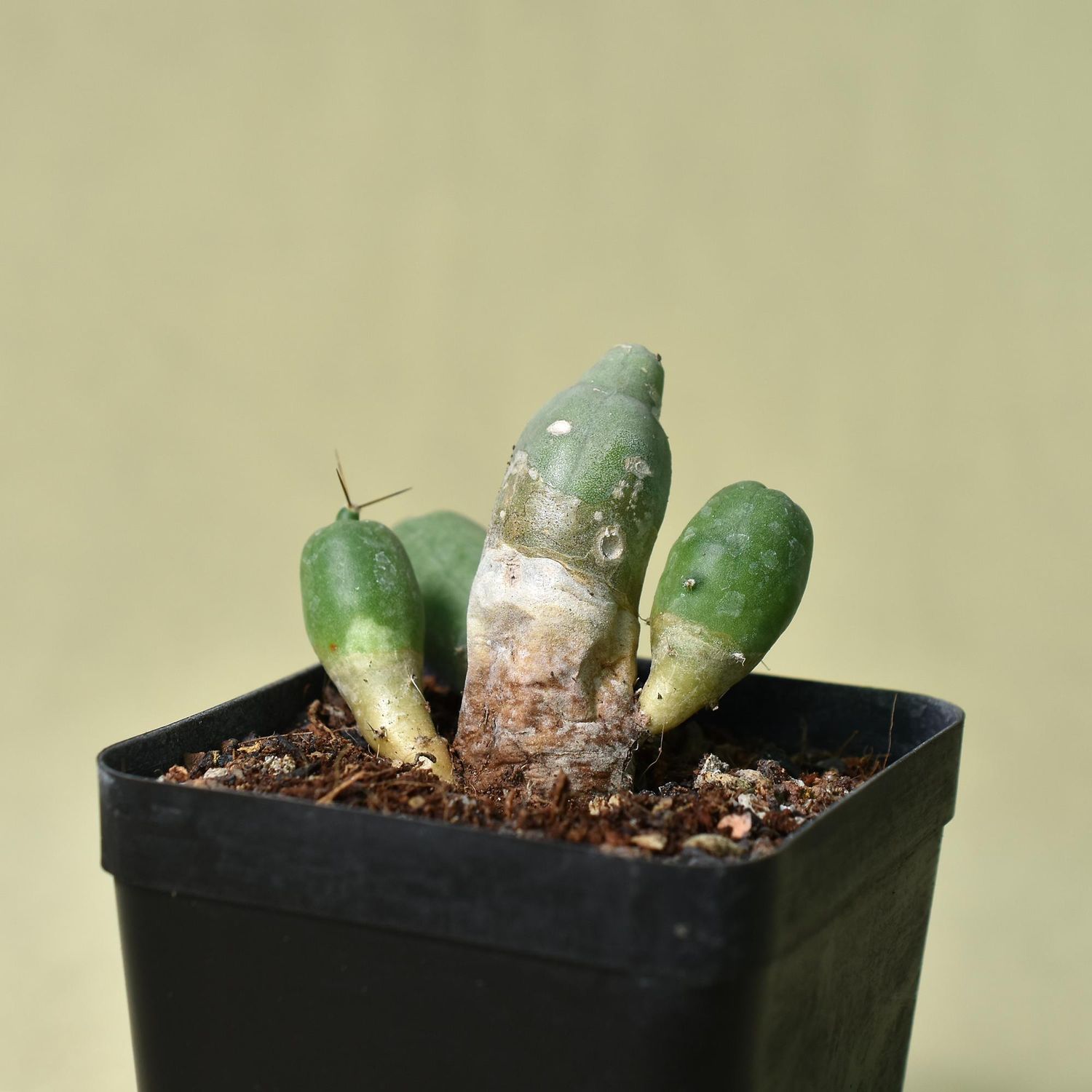
Echinocereus Pentalophus Forma Monstrose
Product Details
Sculptural Oddity: Echinocereus pentalophus f. monstrose
An architectural marvel for collectors, this mutated form offers a chaotic, sprawling geometry that defies standard botanical symmetry.
- Origin & History of Name The genus name Echinocereus is derived from the Greek echinos (hedgehog) and the Latin cereus (candle), referring to the spiny, columnar fruit. The specific epithet pentalophus stems from the Greek for "five ridges," describing the typical rib count of the standard species.
- Morphology This cultivar features a soft, deep-green epidermis that lacks the organized costae (ribs) of its parent species. Instead, it grows in a "monstrose" habit, producing irregular, tuberculate stems and knob-like protrusions. While the standard form is known for large magenta flowers, this variety focuses energy on vegetative growth, creating a dense, clumping mat of fleshy, oddly shaped cylinders with reduced, bristly spines.
- Habitat & Origin The Echinocereus pentalophus f. monstrose is a cultivar derived from a naturally occurring mutation. While the base species is native to the Rio Grande Valley in Southern Texas and Eastern Mexico, this specific distorted form is maintained through nursery propagation. All specimens are nursery-grown, ensuring no impact on wild populations in their native limestone-rich habitats.
- Cultivation Profile
- Substrate: Use a strictly mineral-based mix (60% coarse sand, pumice, or perlite and 40% organic matter) to prevent root rot.
- Light: Thrives in bright, indirect sunlight. In the Indian subcontinent, provide afternoon shade during peak summer to prevent epidermal scorching.
- Water/Dormancy: Water deeply only when the medium is bone-dry. During the Indian monsoon and winter, enter a period of strict dormancy by withholding water entirely to mimic its natural dry-spell cycles.
5. Scientific/Historical Anecdote The parent species, Echinocereus pentalophus, was first described by the Swiss botanist Augustin Pyramus de Candolle in 1828.
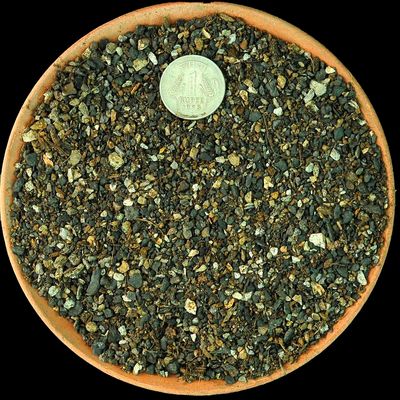
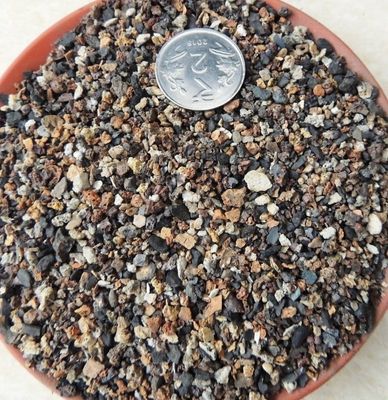
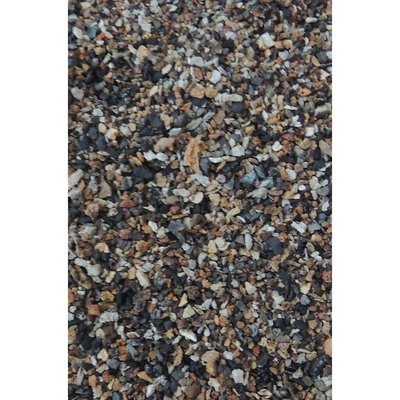
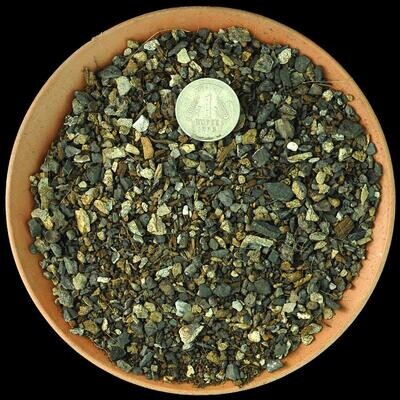
Cactus & Succulent Planting Mix FINE (aka Cactus Soil Mix or Succulent Soil Mix)
Cactus & Succulent Planting Mix FINE (aka Cactus Soil Mix or Succulent Soil Mix)
Fine-Grain Potting Mix for Cactus & Succulent Roots
SKU MNS001
₹39.85
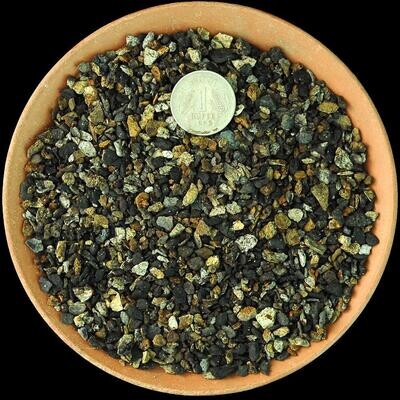
Cactus & Succulent Planting Mix COARSE (aka Cactus Soil Mix or Succulent Soil Mix)
Cactus & Succulent Planting Mix COARSE (aka Cactus Soil Mix or Succulent Soil Mix)
Washed, Free-Draining Mineral Mix for Cactus & Succulents
SKU MNS003
₹44.85