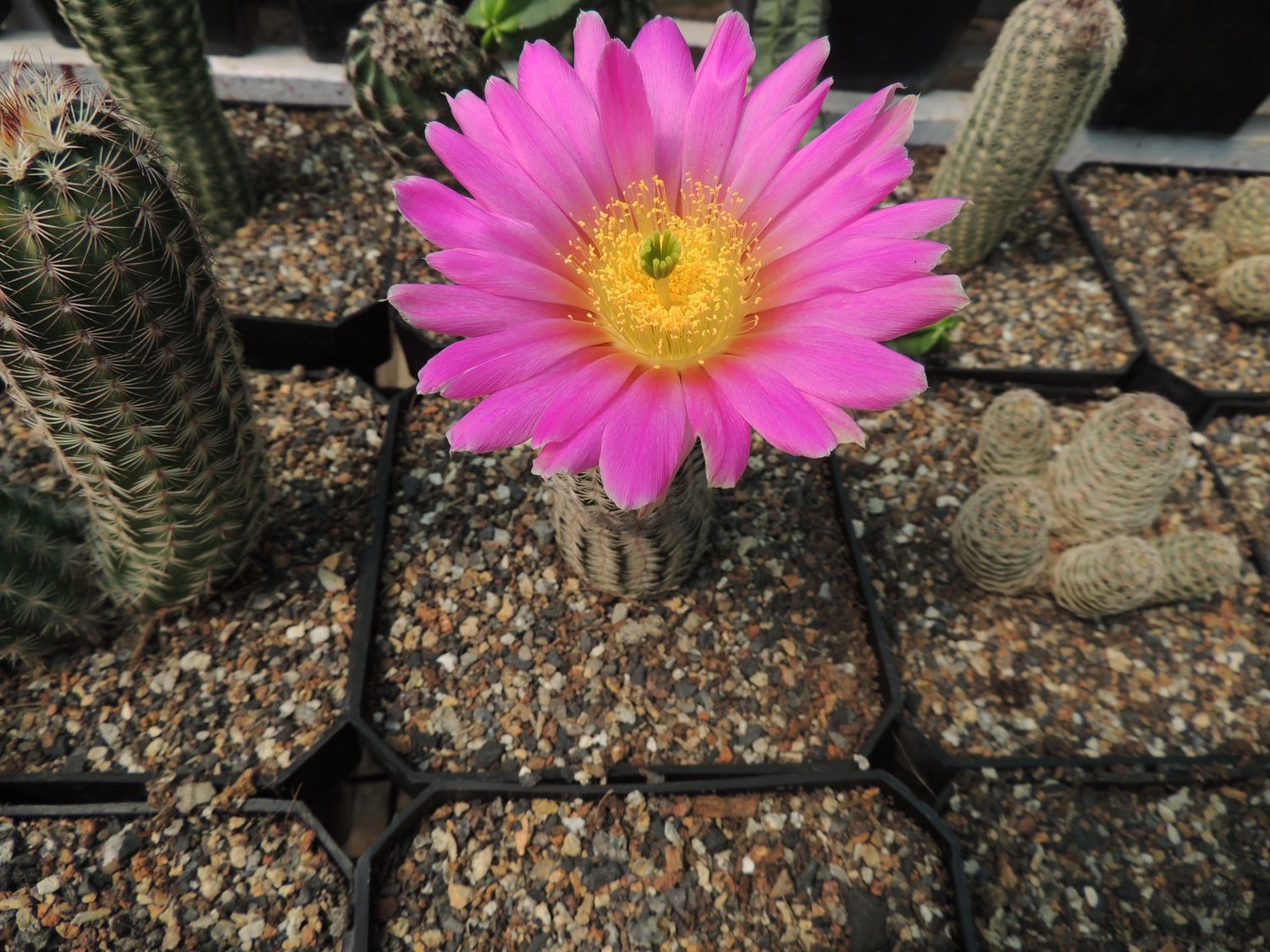
1. Origin of Name: The name "Echinocereus reichenbachii" is derived from the Greek words "echinos," meaning hedgehog, and "cereus," which translates to wax or torch, a common reference to the cylindrical shape typical of this genus. The species part of the name, "reichenbachii," honors the German botanist Heinrich Gustav Reichenbach. Renowned for his contributions to botany, Reichenbach's work greatly influenced the classification and study of various plants. Alternative names include the Lace Hedgehog Cactus, a nod to its intricate spines. The choice of the species name reflects the respect Reichenbach commanded in the scientific community for his dedication to plant taxonomy.
2. Origin of Plant: Echinocereus reichenbachii is native to the semi-arid regions stretching across the United States and Northern Mexico, specifically within Texas, New Mexico, Oklahoma, and Chihuahua. This cactus thrives in rocky, limestone-heavy soils often found in desert landscapes, embracing the challenging conditions of well-drained areas. Discovered during exploratory botanical expeditions in the 19th century, this plant's ability to flourish in harsh climates showcased the adaptability and resilience often celebrated in cactus species.
3. Description: Echinocereus reichenbachii is celebrated for its striking appearance, featuring cylindrical stems adorned with dense clusters of spines that resemble a hedgehog—hence its colloquial name. The plant typically reaches heights of 6 to 12 inches, making it ideal for both outdoor gardens in appropriate climates and indoor containers. It blooms in the spring and summer, producing large, vibrant flowers ranging in color from magenta to violet, each displaying a beautiful radial symmetry. These flowers emit a subtle, sweet fragrance, enhancing their ornamental appeal.
4. Conservation Status: Currently, Echinocereus reichenbachii is not listed as endangered and boasts stable populations across its native range. However, habitat loss and land development pose potential threats. Continuous efforts in habitat conservation and responsible cultivation practices help ensure the sustainability of this species.
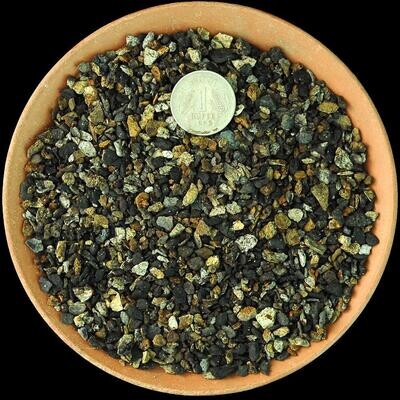
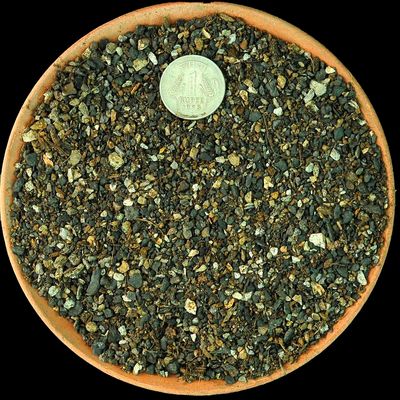
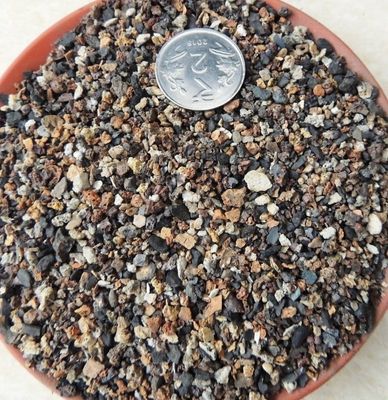
5. Care: To cultivate a healthy Echinocereus reichenbachii, it is vital to mimic its natural environment by providing well-draining, sandy or rocky soil. The plant requires full sunlight to thrive and should be watered moderately, allowing the soil to dry out completely between waterings. During the winter months, reduce watering significantly to prevent root rot. Ideally, maintain temperatures between 50 to 85 degrees Fahrenheit for optimal growth. With patience and proper care, Echinocereus reichenbachii can reward growers with its breathtaking floral display and unique structural beauty.
Interesting Fact: This resilient cactus was part of a fascinating study on plant adaptation in desert ecosystems, showcasing how even the most inhospitable environments can be home to remarkable biodiversity. Embrace a piece of botanical history in your collection with the hardy and captivating Echinocereus reichenbachii.