Origin of Name:
Echinocereus reichenbachii subsp. fitchii derives its genus name "Echinocereus" from the Greek "echinos," meaning "hedgehog" or "spiny," and "cereus," meaning "wax" or "torch," referring to its spiny, torch-like appearance. The species name "reichenbachii" honors the German botanist Ludwig Reichenbach (1793–1879), a prolific naturalist and botanist renowned for his work in botanical classification during the 19th century. The subspecies "fitchii" was named after American botanist Charles F. Fitch, who contributed to the plant’s discovery and study. The naming reflects both the plant’s distinctive spiny structure and its historical connection to botanical explorers who first documented it in North American deserts. An interesting historical note is that Ludwig Reichenbach’s extensive botanical work helped lay the foundation for modern cactus taxonomy, making his name a fitting tribute for this resilient desert cactus.
Origin of Plant:
This remarkable cactus hails from the arid, rugged landscapes of the southwestern United States, particularly Texas, Oklahoma, and New Mexico. It thrives in rocky, well-drained soils, often nestled among desert scrub and grasslands. The plant was first documented during botanical explorations in the late 19th century, a period marked by expeditions seeking to catalog America’s diverse flora. Its adaptation to extreme desert conditions has made it a symbol of resilience among North American cacti. Historically, it has been valued by indigenous peoples and explorers alike for its hardy nature and striking appearance.
Description:
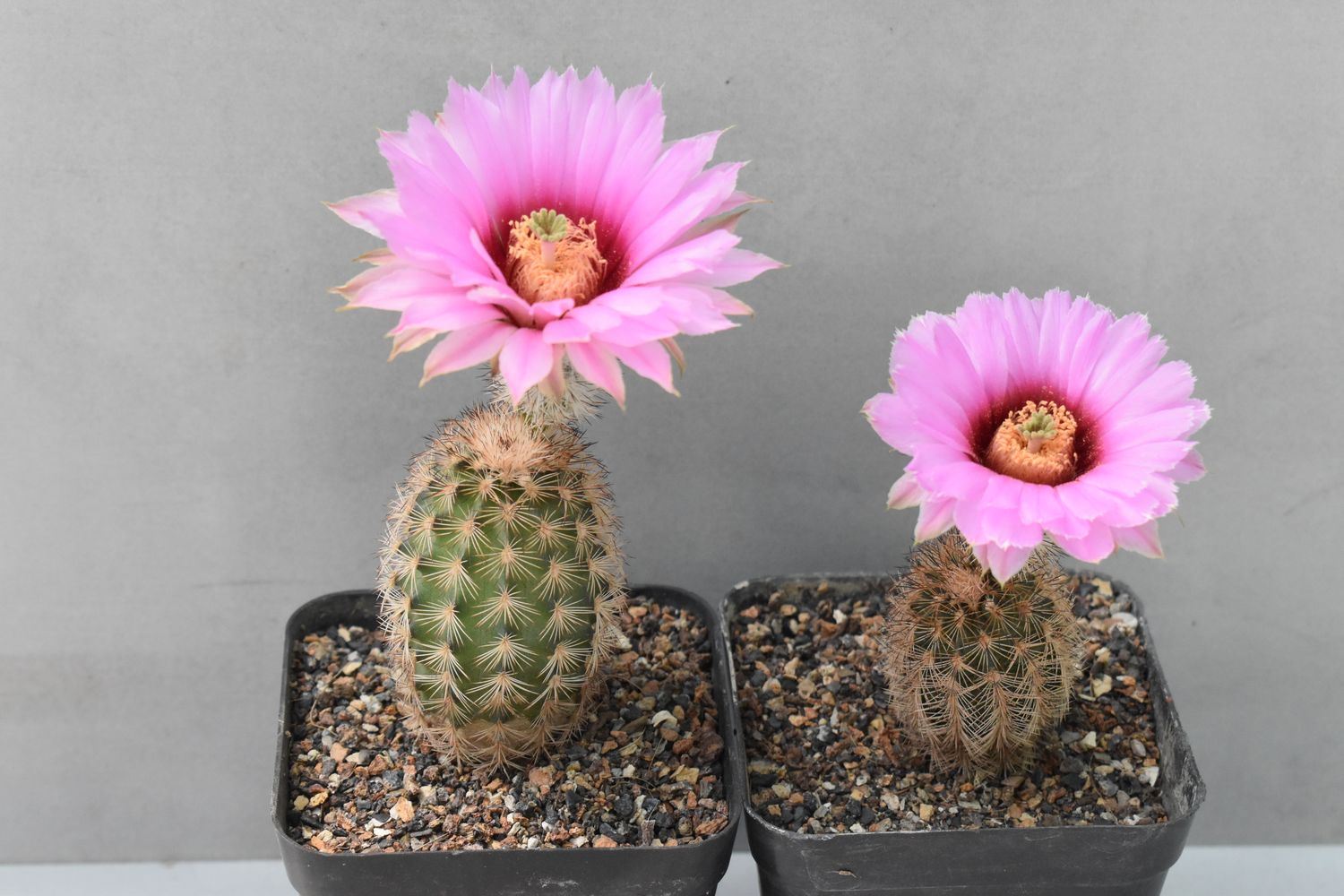
Echinocereus reichenbachii subsp. fitchii is a charming, globular to columnar cactus that typically reaches 6 to 12 inches in height and 4 to 8 inches in diameter. Its striking body is covered in dense clusters of white or yellowish spines, radiating out like rays from the areoles, giving it a spiky but captivating look. When in bloom, the plant produces stunning, trumpet-shaped flowers in shades of deep pink, magenta, or crimson, often emitting a sweet aroma that attracts pollinators. These vivid blossoms contrast beautifully against the silvery spines, making it a prized ornamental for desert gardens and plant enthusiasts. Its ornamental qualities and unique appearance have made it a favorite among collectors and landscapers seeking hardy, eye-catching plants.
Conservation Status:
Currently, Echinocereus reichenbachii subsp. fitchii is considered to be of least concern in the wild, with stable populations across its native range. Its adaptability and widespread presence in protected areas contribute to its status, though habitat preservation remains important. Conservation efforts focus on protecting desert ecosystems from overdevelopment and illegal collection to ensure this resilient plant continues to thrive in the wild.
Care:
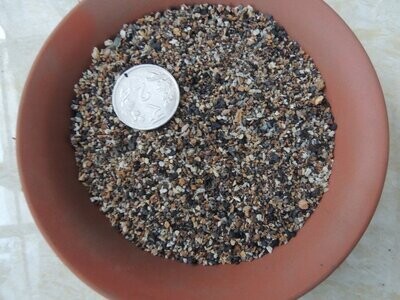
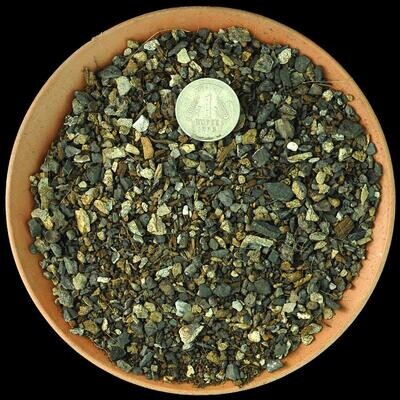
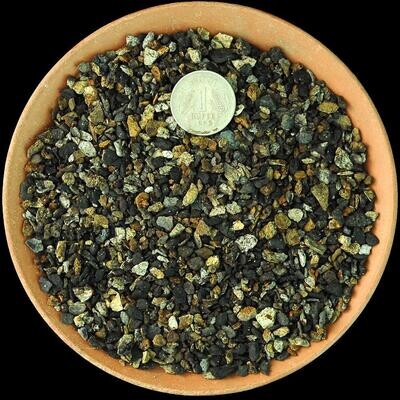
This hardy cactus thrives in full sun and prefers well-drained, sandy or gravelly soil. Water sparingly—allow the soil to dry completely between watering—to prevent root rot, especially during the winter months. During the active growing season in spring and summer, water approximately every 2-3 weeks. It enjoys warm temperatures ideally between 70-95°F (21-35°C); however, it can tolerate short periods of cooler weather. During winter dormancy, reduce watering significantly and ensure it is kept in a protected, frost-free environment. For optimal growth, place your plant in a sunny spot, and avoid excessive watering or moisture buildup. With proper care, this desert native will reward you with its vibrant blooms and distinctive silhouette year after year.