Echinocereus Rigidissimus Var. Rubrispinus Crest
Product Details
Vivid Pink Perfection: Echinocereus rigidissimus var. rubrispinus Crest
A sculptural masterpiece of the desert, this rare crested mutation features a dense tapestry of magenta spines found in only the most elite collections.
- Origin & History of Name: The genus name Echinocereus is derived from the Greek echinos (hedgehog or sea urchin) and the Latin cereus (wax candle), referencing the plant’s spiny, cylindrical form.
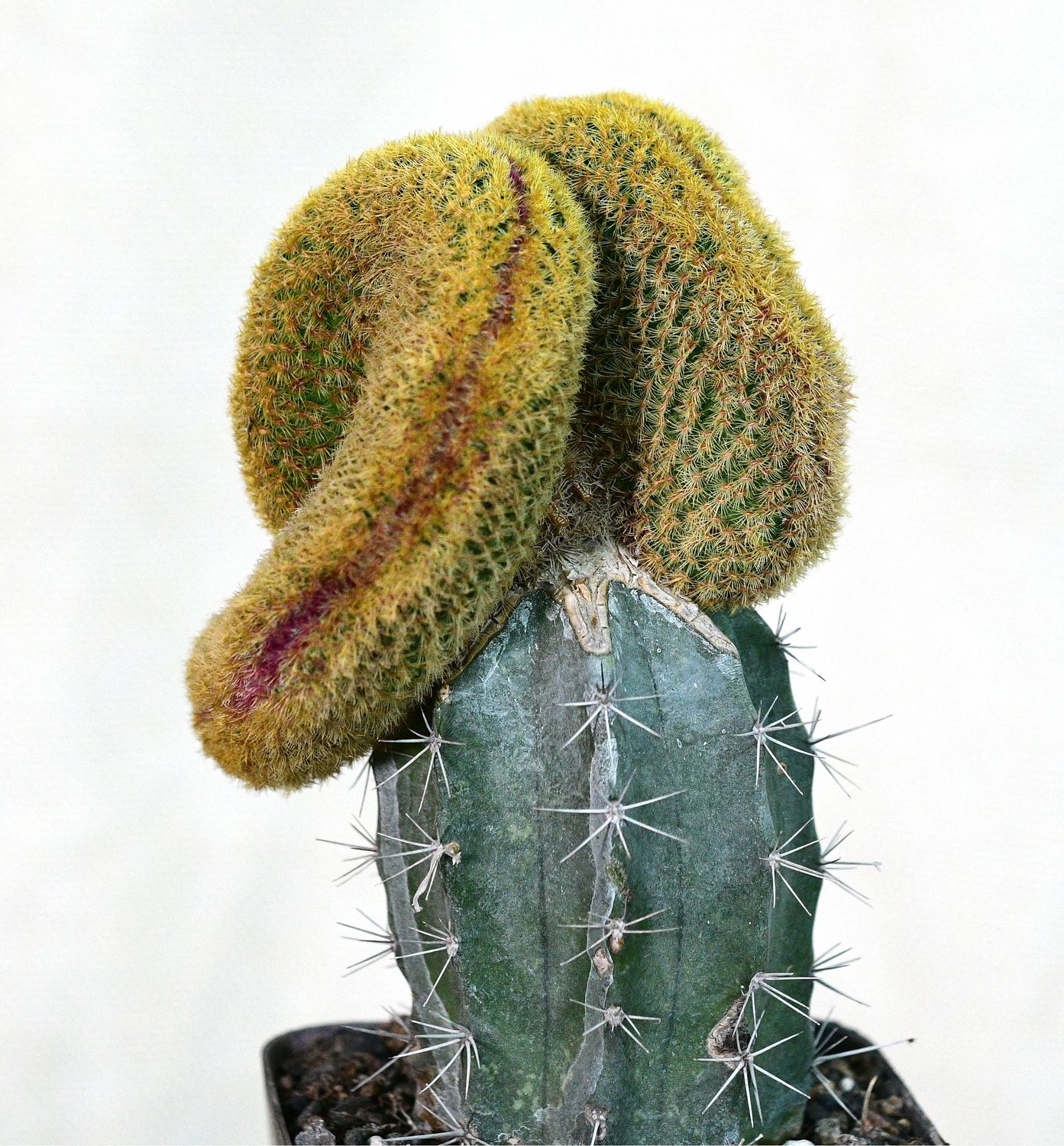
The varietal name rubrispinus literally translates to "red-spined." This specific form is a "Crest" or "Cristata," a name used by botanists to describe a rare fasciation where the growth point elongates into a wave-like fan rather than a single head. - Morphology: This specimen exhibits a dramatic apical meristem mutation, causing the epidermis to fold into intricate, brain-like convolutions. It is famous for its pectinate (comb-like) spines that lay flat against the costae (ribs). Unlike the standard upright species, the rubrispinus variety lacks central spines, resulting in a vibrant, deep-pink "felted" texture that is soft to the touch but visually striking.
- Habitat & Origin: While the standard E. rigidissimus is native to the Sonoran Desert (Chihuahua, Mexico, and Arizona), this specific crested rubrispinus is a cultivar prized in horticulture. Most high-quality specimens today are produced through sustainable laboratory grafting or careful propagation by specialized nurseries to protect wild populations from poaching.
- Cultivation Profile:
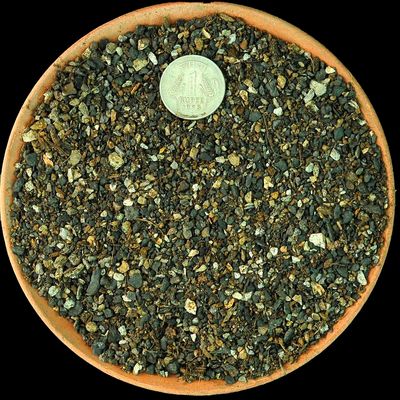
- Substrate: Use a strictly mineral-based mix (70% grit/pumice/perlite and 30% organic matter). Avoid standard potting soil to prevent root rot.
- Light: Requires bright, filtered sunlight. In the Indian subcontinent, provide 40-50% shade cloth during peak summer (April–June) to prevent epidermis scorching.
- Water/Dormancy: Follow a "soak and dry" method during the growing season. During the monsoon and winter, keep the plant completely dry. High humidity in coastal India requires excellent air circulation to avoid fungal issues.
- Scientific/Historical Anecdote: The species is often nicknamed the "Arizona Rainbow Cactus" because the spines change color slightly with each year's growth, creating horizontal bands. However, the rubrispinus variety was specifically isolated for its consistent, intense red pigmentation—a biological "glitch" that makes it one of the few cacti to appear naturally neon without the use of artificial dyes.
New
Monsoon Guardian Kit (5 in 1)
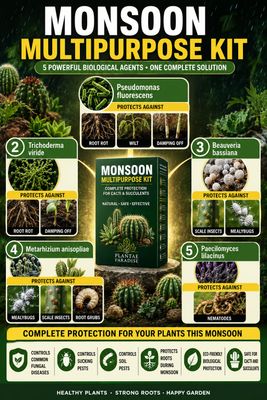
Monsoon Guardian Kit (5 in 1)
Complete 5-in-1 biological protection kit for cacti & succulents
SKU MNS024
₹850.00
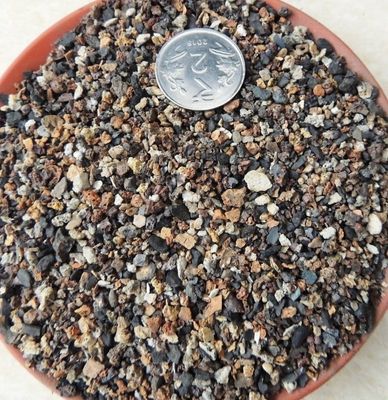
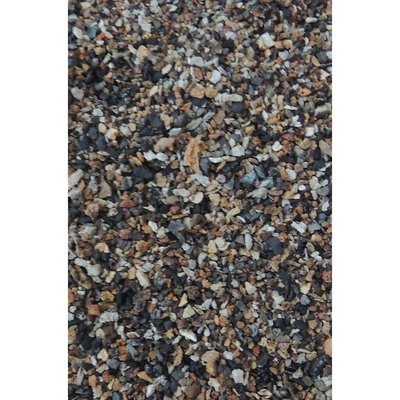
Cactus & Succulent Planting Mix FINE (aka Cactus Soil Mix or Succulent Soil Mix)
Cactus & Succulent Planting Mix FINE (aka Cactus Soil Mix or Succulent Soil Mix)
Fine-Grain Potting Mix for Cactus & Succulent Roots
SKU MNS001
₹39.85
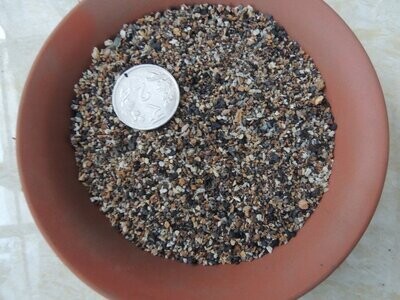
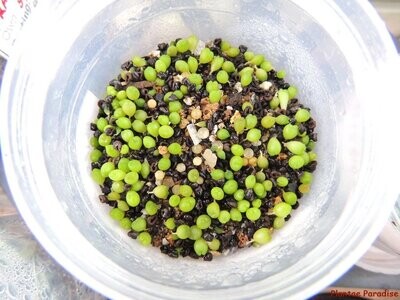
Cactus Seed Planting Mix
Cactus Seed Planting Mix
Sterile, Fine-Grain Media for Cactus & Succulent Seeds
SKU MNS005
₹74.85