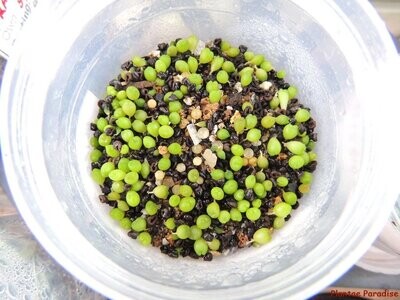
The Cucumber Cactus: Echinocereus scheeri var. gentryi f. cucumis
This rare, spineless anomaly offers the architectural intrigue of a trailing succulent with the spectacular, orchid-like blooms of a desert cactus.
1. Origin & History of Name The genus name Echinocereus combines the Greek echinos (hedgehog) and cereus (candle), referring to the typically spiny fruit and upright stems of the genus.
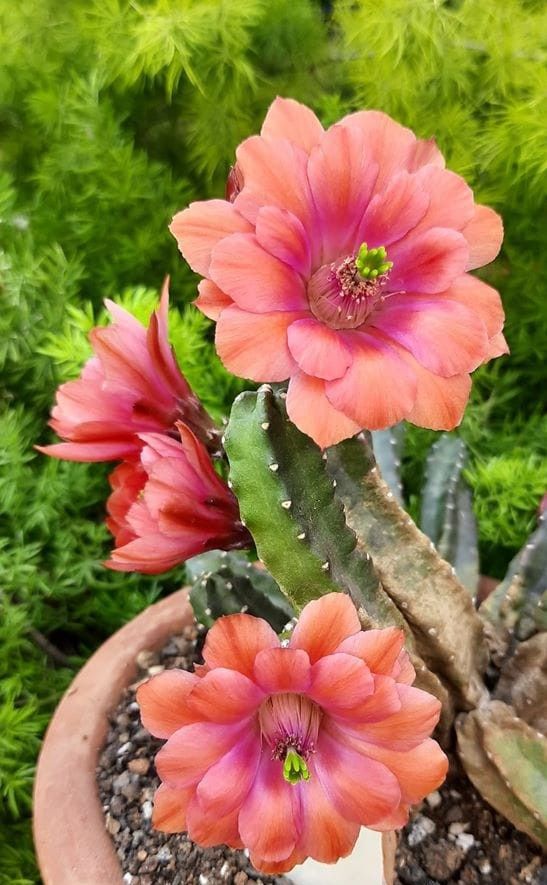
2. Morphology Unlike its prickly relatives, this form is prized for its nearly naked, soft green epidermis and lack of significant spines.
3. Habitat & Origin While Echinocereus scheeri is native to the rocky canyons of eastern Sonora and western Chihuahua, Mexico, the specific form f. cucumis is a horticultural selection propagated for its unique spineless trait. It does not exist as a stable population in the wild but is sustainably produced through vegetative propagation in nurseries, ensuring no impact on wild biodiversity.
4. Cultivation Profile
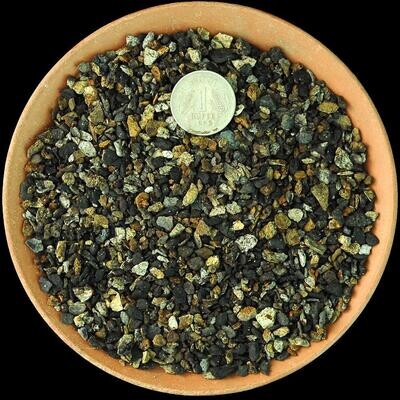
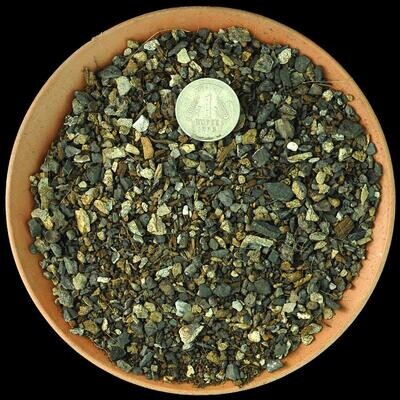
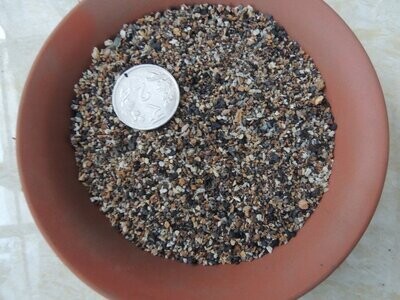
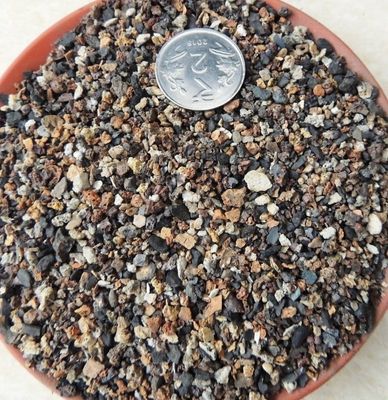
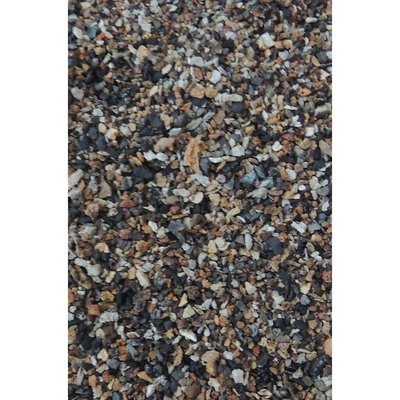
- Substrate: Use a coarse, mineral-heavy potting mix (70% pumice/perlite/grit, 30% organic matter) to ensure rapid drainage. Avoid heavy garden soils which cause root asphyxiation.
- Light: Thrives in bright, filtered sunlight. In the Indian climate, protect from the harsh midday summer sun to prevent epidermal scorching; a shaded balcony or green net (50%) is ideal.
- Water/Dormancy: Water thoroughly when the substrate is completely dry during the growing season (March–October). Crucial for Indian growers: Keep absolutely dry during the winter dormancy and protect from continuous monsoon rains to prevent rot.
5. Scientific Anecdote There is a botanical irony in this plant's classification: it belongs to the "Hedgehog Cactus" genus (Echinocereus), named specifically for its spiny fruit covers. Yet, f. cucumis is so genetically distinct in its expression that it lacks the very "hedgehog" armor the genus is famous for, relying instead on camouflage within rock crevices in its ancestral lineage to survive.