Origin of Name:
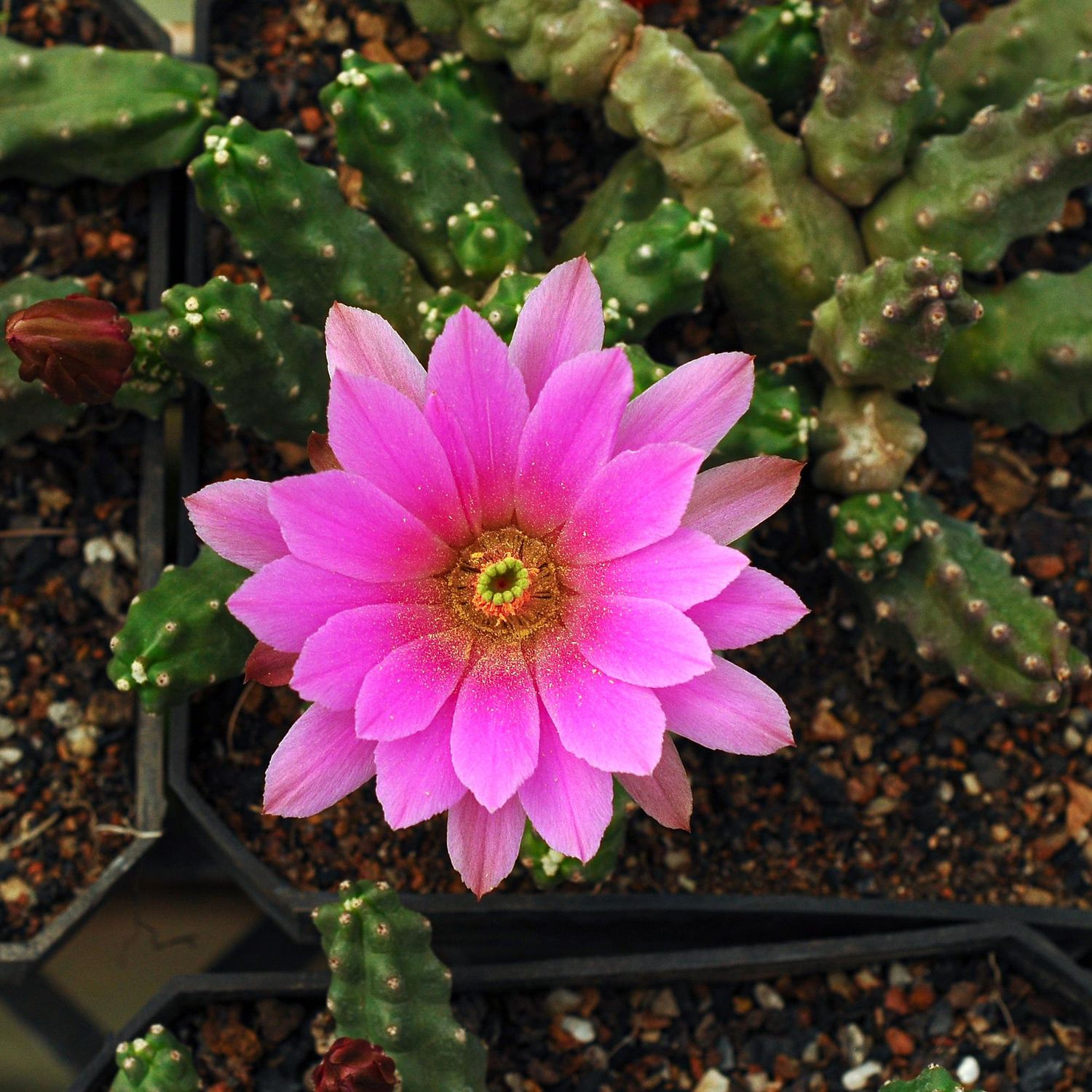
The genus name Echinocereus derives from the Greek words "echinos," meaning spiny or prickly, and "cereus," meaning wax or candle, reflecting the plant’s characteristic ribbed, spiny stems. The species scheeri honors the American botanist Charles Christopher Sherry, who contributed extensively to cactus research. The variety gentryi is named after the renowned cactus collector and botanist Lloyd Gentry, while the form cucumis refers to its cucumber-like shape, inspired by its elongated, textured stem. The spectacular Magenta Pink Flower highlights the plant’s striking floral display, recognized for its vibrant coloration.
Origin of Plant:
Native to the arid regions of northern Mexico and southwestern Texas, Echinocereus scheeri var. gentryi f. cucumis grows in rocky, well-drained soils in desert hills and canyon edges. This cactus has adapted to survive in extreme heat and drought, often thriving on steep, rocky slopes. Its native habitat is characterized by intense sunlight, minimal rainfall, and nutrient-poor soils, conditions that have shaped its resilient and distinctive form.
Description:
This captivating cactus features a slender, elongated, and ribbed stem that resembles a cucumber, giving it the descriptive name cucumis. Its surface is covered with fine, vertical spines, often adorned with soft woolly areoles. The most eye-catching feature is its magnificent, large magenta-pink flowers that bloom at the top of the stem, creating a vivid contrast against the green background. The flowers are funnel-shaped, with delicate petals radiating outward, attracting pollinators like bees and hummingbirds. The plant typically reaches a height of about 1 to 2 feet, making it an excellent focal point in rock gardens or succulent collections.
Conservation Status:
While not currently endangered, Echinocereus scheeri populations face threats from habitat destruction and illegal collection. Cultivating this plant responsibly in nurseries and gardens helps preserve wild populations and promotes sustainable growth of this stunning species.
Care:
This hardy desert cactus is relatively low-maintenance:
- Watering: Water deeply but infrequently during the growing season, allowing the soil to dry between waters. Minimal watering in winter prevents rot.
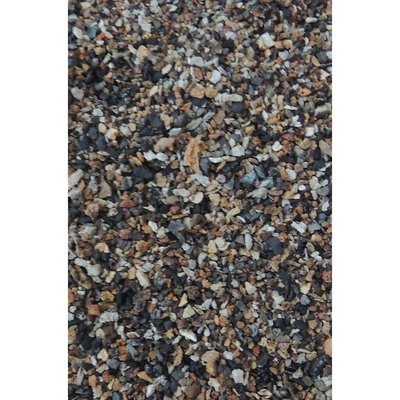
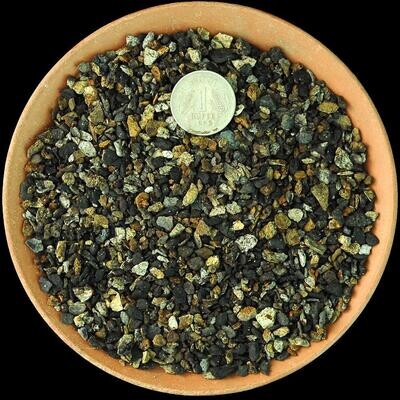
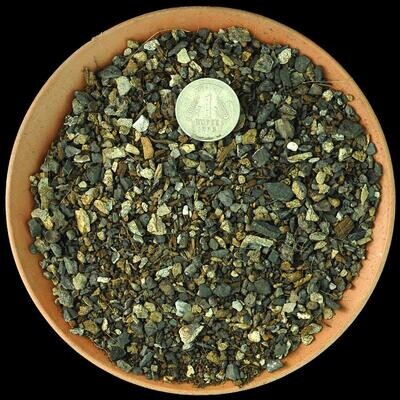
- Soil: Use a well-draining cactus or succulent mix with added coarse sand or small gravel for optimal drainage.
- Light: Needs full sun to partial shade to produce vibrant flowers; direct sunlight encourages flowering.
- Temperature: Suitable for USDA zones 9-11, it thrives in warm, dry conditions. Protect from frost and freezing temperatures.
An Interesting Historical Anecdote:
Echinocereus scheeri var. gentryi f. cucumis is celebrated not only for its vivid blooms but also for its cultural significance among indigenous groups of the southwestern United States and northern Mexico. The plant’s resilient cucumber-shaped stems symbolize endurance and the ability to thrive in the harshest environments. Its spectacular magenta flowers have historically been used in traditional ceremonies and have inspired local legends about hope and rebirth beneath the desert sun, making it a cherished symbol of resilience and natural artistry.