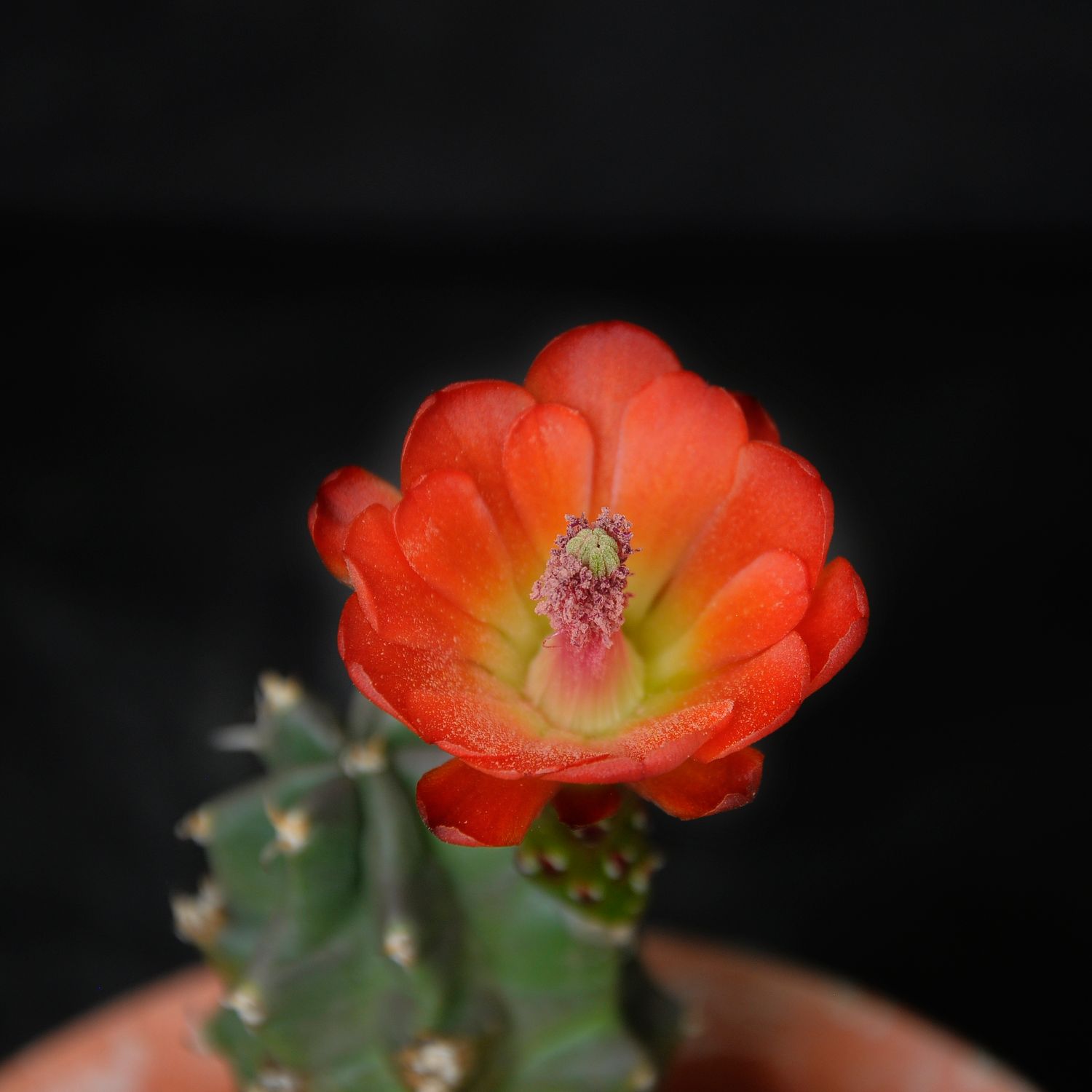
1. Origin of Name: The name "Echinocereus triglochidiatus" is rooted in Greek and Latin, with "echinos" meaning hedgehog, alluding to its spiny exterior, and "cereus" meaning wax torch or candle, referring to its tall, columnar form. The species name "triglochidiatus" is derived from Greek "triglō" meaning triple point and "khiros" for spines, highlighting its spiny, three-pronged areoles. The variety "mojavensis" indicates its specific association with the Mojave Desert, emphasizing its regional habitat. The form "inermis" translates from Latin as "unarmed," referencing the reduced or absent spines in this particular cultivar—a rare trait in its species. This variation was categorized by botanists studying cactus adaptations to desert environments, likely in the late 19th or early 20th century, with the name paying homage to both its descriptive features and its geographic origin.
2. Origin of Plant: Echinocereus triglochidiatus var. mojavensis f. inermis is native to the Mojave Desert region, spanning parts of southeastern California, Nevada, Arizona, and northwestern Mexico. It thrives in rocky, well-drained, arid landscapes characterized by intense heat and minimal rainfall. The plant was first documented during expeditions exploring desert flora in the southwestern United States in the early 1900s, highlighting its role as an adaptive cactus capable of withstanding extreme desert conditions. Its discovery contributed valuable insights into cactus diversity and resilience in harsh environments.
3. Description: This particular variety features striking, tall, and slender cactus stems that reach up to 2 to 4 feet in height, with a prominent vertical growth habit. Unlike many of its relatives, the "inermis" form exhibits greatly reduced or completely absent spines, giving it a smoother, less intimidating appearance, while still retaining a few small, hair-like spines or glochids for protection. Its vibrant, ruby-red flowers appear in the spring, opening wide to reveal a stunning display of bright orange or scarlet petals with yellow stamens at the center. The ornamental appeal of this cactus lies in its elegant form, unique spine reduction, and showy blooms, making it a captivating addition for collectors and desert enthusiasts alike.
4. Conservation Status: Currently, the Mojave Desert variety of Echinocereus triglochidiatus is not listed as endangered or threatened. However, its limited regional habitat makes it susceptible to habitat loss due to urban expansion and climate change. Promoting sustainable cultivation and habitat preservation efforts helps ensure its continued existence in the wild and among cultivated collections.
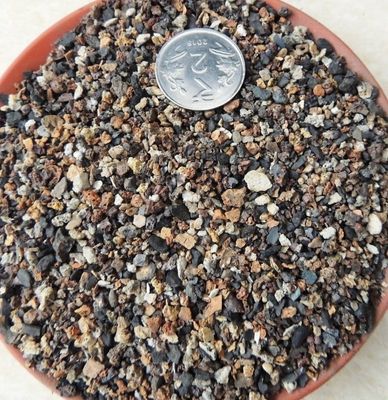
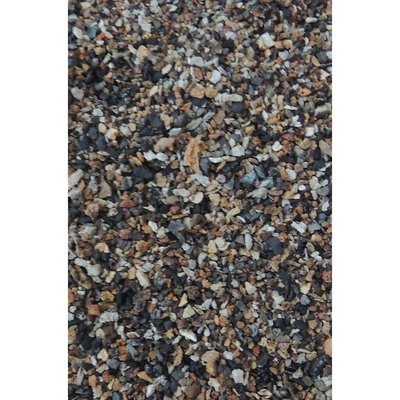
5. Care: This cactus thrives in well-draining sandy or rocky soil, reminiscent of its native desert terrain. It prefers full sunlight exposure for optimal growth and flowering. Water sparingly—allow the soil to dry completely between waterings—and reduce watering during the winter months to prevent root rot. Maintain warm temperatures between 60°F and 85°F, with good air circulation. It is a hardy plant that tolerates high temperatures but should be protected from frost, making it suitable for USDA zones 8-11 when grown outdoors, or indoors with bright light.
Interesting Fact: The "inermis" form's near spine-less appearance is an intriguing adaptation that may help it conserve moisture and reduce surface damage in its extreme environment. Historically, early explorers and botanists marveled at its unusual form and vibrant flowers, often considering it a desert jewel. Cultivating this resilient cactus is a wonderful way to bring a piece of Mojave’s rugged beauty into your collection, blending resilience with exquisite desert charm.