Echinocerous pentalophous
Product Details
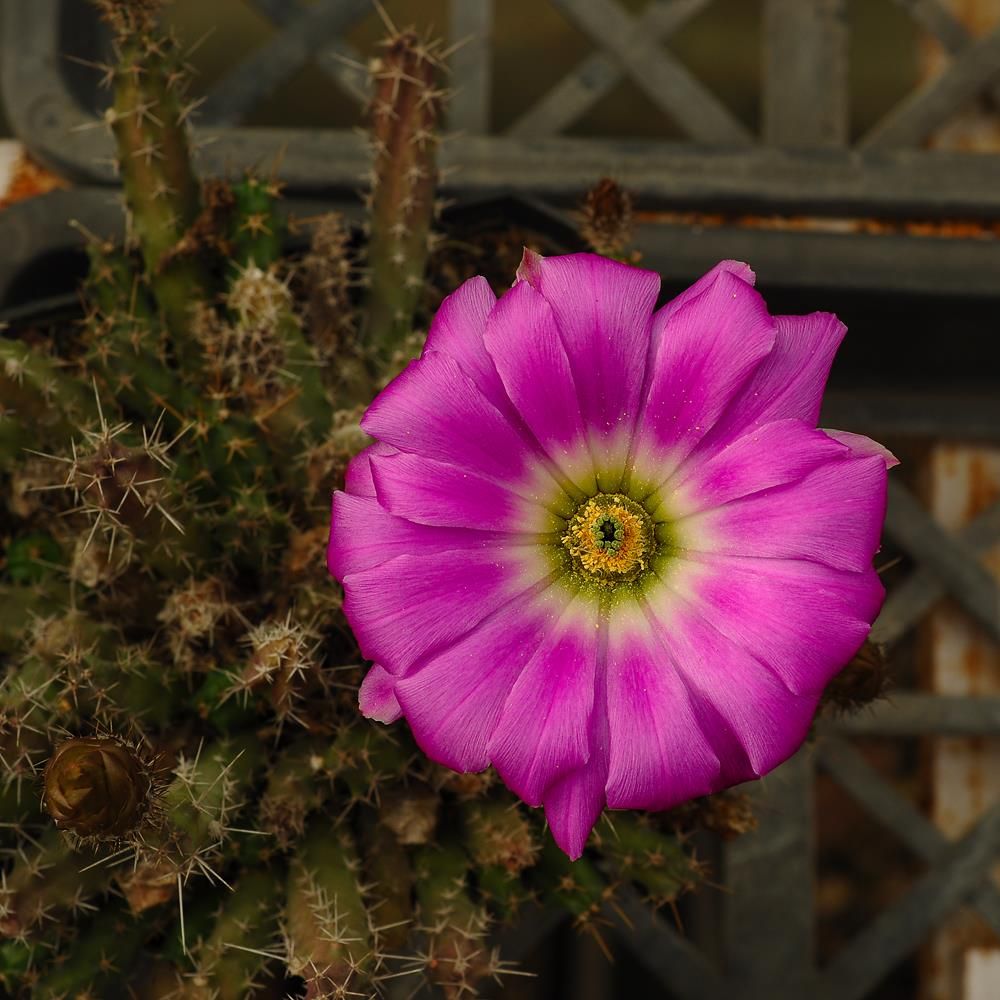
The Pink Prolific: Echinocereus pentalophus
An architectural marvel featuring low-slung, creeping stems and vibrant magenta blooms that redefine any succulent collection.
- Origin & History of Name: The genus name Echinocereus is derived from the Greek echinos (hedgehog or sea urchin) and the Latin cereus (candle), referring to the plant’s spiny, columnar appearance.
- Morphology: This cactus is characterized by its decumbent (prostrate) growth habit, with slender, cylindrical stems. Its epidermis is a deep matte green, featuring 4 to 6 costae (ribs) lined with small, felted areoles. Each areole produces short, needle-like radial spines.
- Habitat & Origin: This is a wild species native to the Rio Grande Valley in Southern Texas and Northeastern Mexico.
- Cultivation Profile:
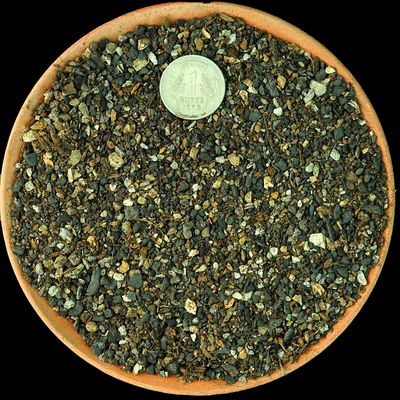
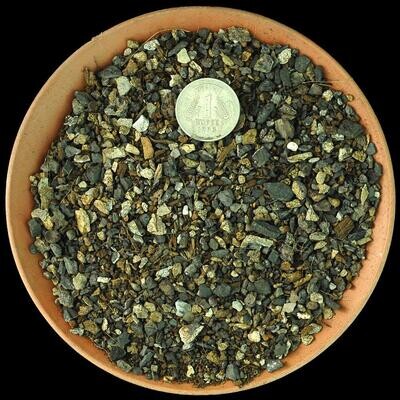
- Substrate: Use a strictly mineral-based mix (60% grit/pumice/perlite and 40% organic matter). For Indian conditions, ensure high porosity to prevent root rot during monsoon humidity.
- Light: High-intensity filtered light. In India, provide morning sun but use 50% shade cloth during the extreme heat of April to June to avoid epidermal scorching.
- Water/Dormancy: Water deeply when the substrate is bone-dry from March to October. Maintain strict dryness during the winter dormancy (November–February) to trigger spring flowering.
- Scientific/Historical Anecdote: Echinocereus pentalophus is often called the "Ladyfinger Cactus" due to its slender stems.
Cactus & Succulent Planting Mix COARSE (aka Cactus Soil Mix or Succulent Soil Mix)
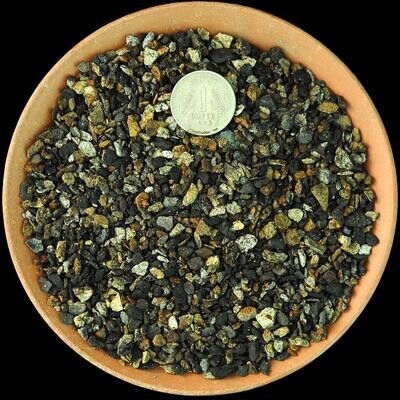
Cactus & Succulent Planting Mix COARSE (aka Cactus Soil Mix or Succulent Soil Mix)
Washed, Free-Draining Mineral Mix for Cactus & Succulents
SKU MNS003
₹38.74
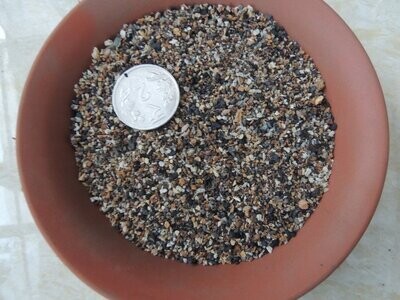
Cactus Seed Planting Mix
Cactus Seed Planting Mix
Sterile, Fine-Grain Media for Cactus & Succulent Seeds
SKU MNS005
₹66.35