

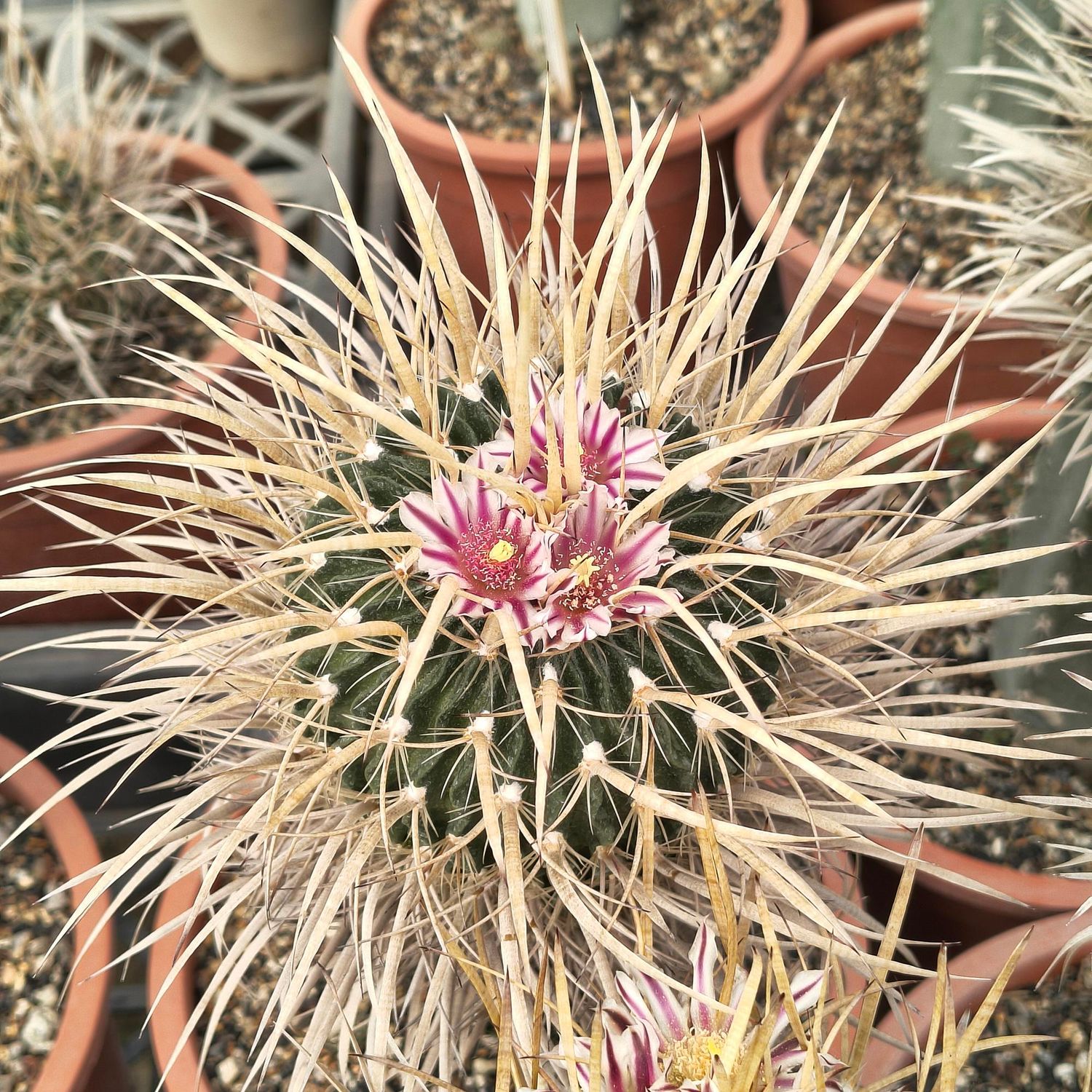
Echinofossulocactus erectrocentrus (Very Long Spine Cv.)
Product Details
Seed Grown
Architectural Spines: Echinofossulocactus erectocentrus (Very Long Spine Cv.)
A sculptural masterpiece for the specialist collector, this cultivar represents the pinnacle of extreme spination in the genus.
- Origin & History of Name The genus name Echinofossulocactus is derived from the Greek echinos (hedgehog) and the Latin fossula (little ditch), referring to the characteristic wavy ribs. The specific epithet erectocentrus combines the Latin erectus (upright) and centrum (center), describing the prominent, upward-pointing central spines. While often synonymized with Stenocactus by modern taxonomists, the name Echinofossulocactus remains the preferred designation among global enthusiasts and historical collectors.
- Morphology This specimen is defined by its globose, deep-green epidermis and an extraordinary number of costae (ribs)—often up to 50 or more—which are thin, wavy, and tightly packed. Its most striking feature is the "Very Long Spine" cultivar trait: the central radial spines are exceptionally elongated, flattened, and upward-reaching, creating a dense, cage-like architecture that protects the plant's apex.
- Habitat & Origin While the base species is native to the high-altitude Chihuahuan Desert in Mexico, this "Very Long Spine" variant is a specialized cultivar developed through selective breeding. It is produced via sustainable greenhouse propagation rather than wild collection, ensuring the preservation of native Mexican populations while providing superior aesthetics for the trade.
- Cultivation Profile
- Substrate: Requires a highly porous, mineral-based mix. Use a ratio of 70% inorganic material (pumice, perlite, or crushed brick) to 30% organic matter to prevent root rot.
- Light: Thrives in bright, indirect sunlight. In the Indian subcontinent, provide 40-50% shade cloth during the extreme heat of April to June to prevent epidermis scorching.
- Water/Dormancy: Follow a "soak and dry" method during the growing season. Maintain strict winter dormancy from November to February; withhold water entirely during this period to mimic the Mexican dry season and encourage spring flowering.
5. Scientific/Historical Anecdote The genus is colloquially known as the "Brain Cactus" due to its convoluted rib structure.
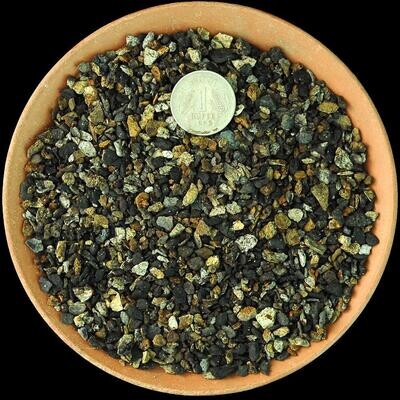
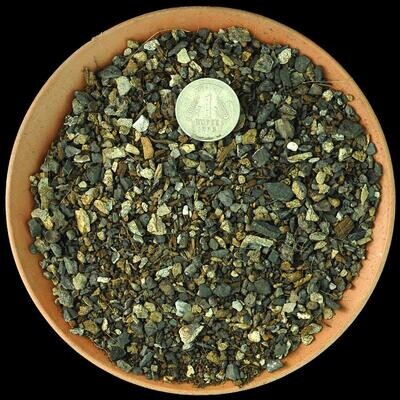
Cactus & Succulent Planting Mix COARSE (aka Cactus Soil Mix or Succulent Soil Mix)
Cactus & Succulent Planting Mix COARSE (aka Cactus Soil Mix or Succulent Soil Mix)
Washed, Free-Draining Mineral Mix for Cactus & Succulents
SKU MNS003
₹44.85
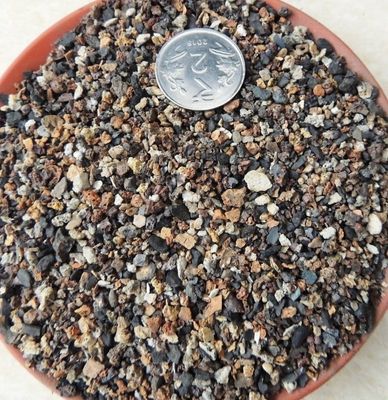
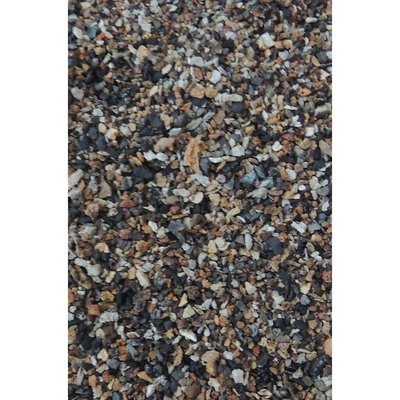
Cactus & Succulent Planting Mix FINE (aka Cactus Soil Mix or Succulent Soil Mix)
Cactus & Succulent Planting Mix FINE (aka Cactus Soil Mix or Succulent Soil Mix)
Fine-Grain Potting Mix for Cactus & Succulent Roots
SKU MNS001
₹39.85
New

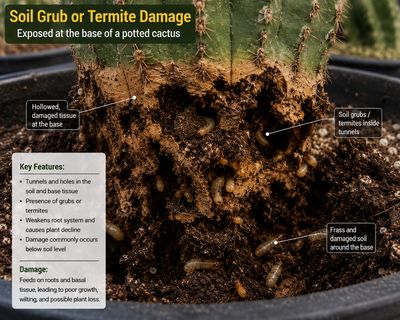
Monsoon Guardian Kit (5 in 1)
Monsoon Guardian Kit (5 in 1)
Complete 5-in-1 biological protection kit for cacti & succulents
SKU MNS024
₹850.00