

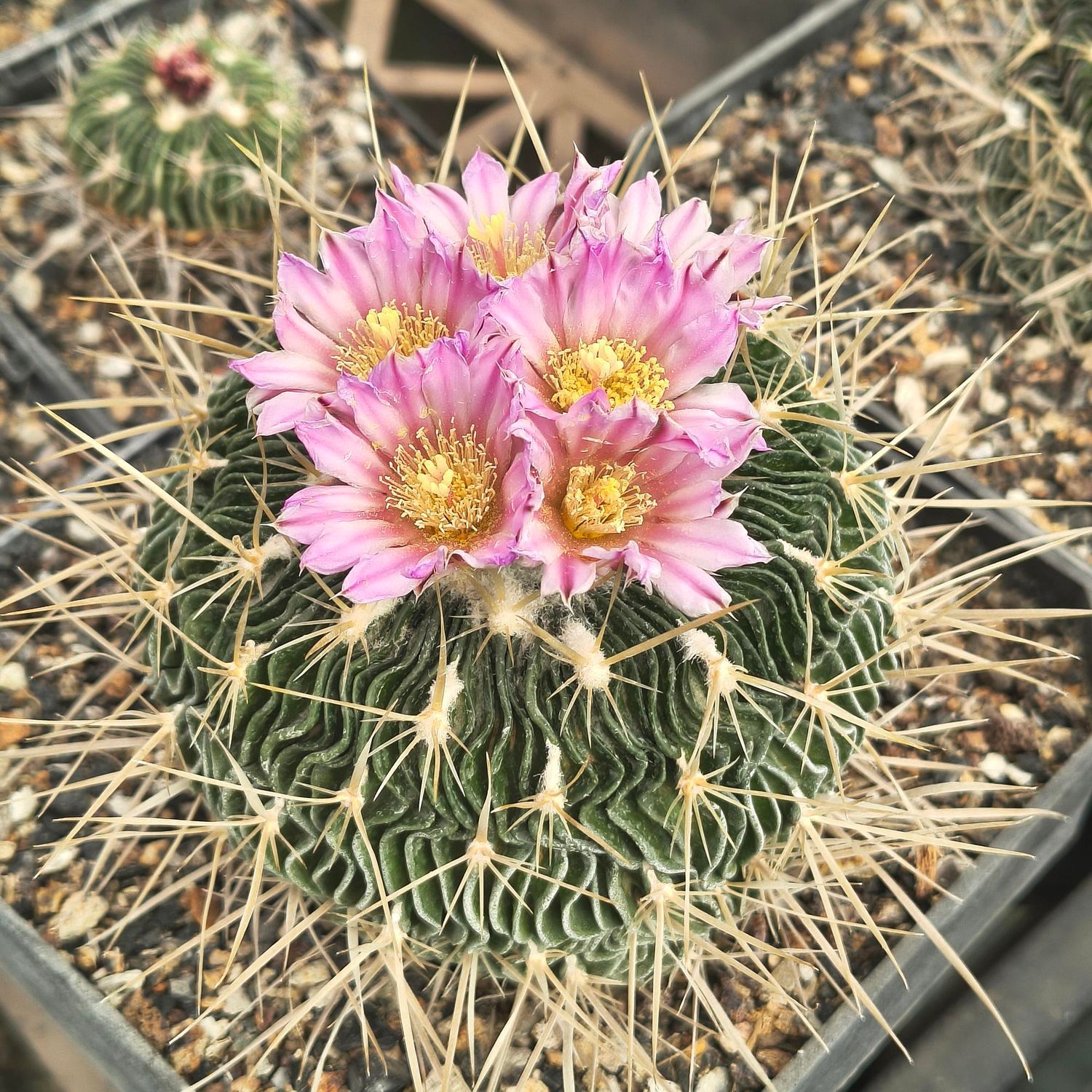
Echinofossulocactus multicostatus SB1147 Los Imagines
Product Details
Ribbed Relic: Echinofossulocactus multicostatus SB1147 Los Imagines
A geometric masterpiece featuring an incredible density of paper-thin ribs that define the pinnacle of desert symmetry.
- Origin & History of Name: The genus name Echinofossulocactus combines the Greek echinos (hedgehog) and the Latin fossula (ditch/furrow), describing its spine-covered, deeply grooved body. The species name multicostatus translates to "many-ribbed." The field number SB1147 indicates a specific collection by botanist Steven Brack, while "Los Imagines" refers to the precise locality in Coahuila, Mexico, where this distinct population was documented.
- Morphology: This cactus is famous for its extreme number of costae (ribs), often possessing 50 to 100 on a single specimen. These ribs are exceptionally thin and wavy, maximizing the surface area of the epidermis.
The areoles are widely spaced and bear flattened, papery spines that do not obscure the plant's unique "brain-like" texture. It produces small, funnel-shaped flowers, typically white with a violet mid-stripe, emerging from the woolly apex. - Habitat & Origin: This is a wild species native to the high-altitude grasslands of Coahuila, Mexico.
It grows among limestone rocks, often partially shaded by grass. The SB1147 designation ensures this specimen is a direct descendant of documented wild populations. Our plants are nursery-raised from seed to ensure the protection of Mexican desert habitats from illegal poaching. - Cultivation Profile:
- Substrate: Use a mineral-based mix (60% cinder or grit, 20% pumice, 20% organic compost). Rapid drainage is essential to prevent root rot in high-humidity zones.
- Light: Requires intense, bright light to maintain its tight rib structure. In India, provide a 25–35% shade net during peak summer to prevent epidermal scorching while ensuring it doesn't "stretch."
- Water/Dormancy: Follow a strict "soak and dry" cycle during the growing season. During the Indian monsoon and winter, keep the plant completely dry. This species is prone to splitting if overwatered during periods of high humidity.
- Scientific/Historical Anecdote: There is a long-standing botanical debate regarding this genus; many taxonomists prefer the name Stenocactus. However, collectors often stick to Echinofossulocactus because it is one of the longest and most descriptive names in the plant kingdom. The "Brain Cactus" nickname comes from its wavy ribs, which are a specialized evolutionary trait allowing the plant to expand and contract rapidly during the rare, heavy rains of its native habitat.
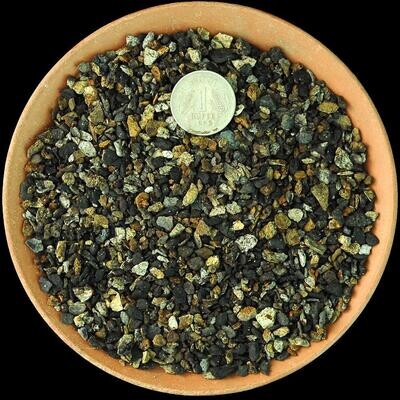
Cactus & Succulent Planting Mix COARSE (aka Cactus Soil Mix or Succulent Soil Mix)
Cactus & Succulent Planting Mix COARSE (aka Cactus Soil Mix or Succulent Soil Mix)
Washed, Free-Draining Mineral Mix for Cactus & Succulents
SKU MNS003
₹44.85
New

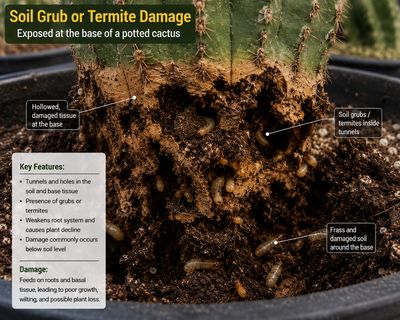
Monsoon Guardian Kit (5 in 1)
Monsoon Guardian Kit (5 in 1)
Complete 5-in-1 biological protection kit for cacti & succulents
SKU MNS024
₹850.00
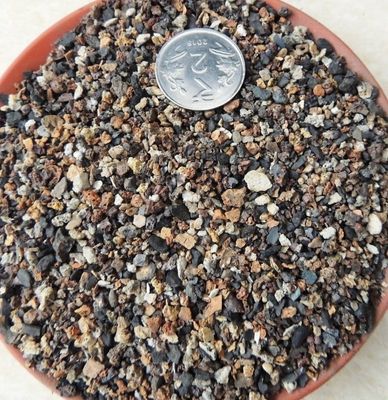
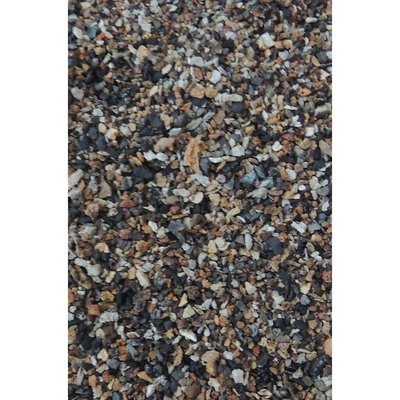
Cactus & Succulent Planting Mix FINE (aka Cactus Soil Mix or Succulent Soil Mix)
Cactus & Succulent Planting Mix FINE (aka Cactus Soil Mix or Succulent Soil Mix)
Fine-Grain Potting Mix for Cactus & Succulent Roots
SKU MNS001
₹39.85
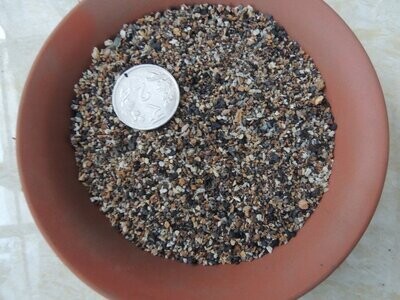
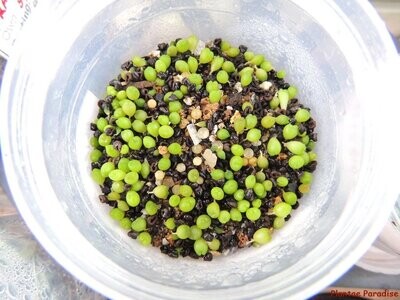
Cactus Seed Planting Mix
Cactus Seed Planting Mix
Sterile, Fine-Grain Media for Cactus & Succulent Seeds
SKU MNS005
₹74.85