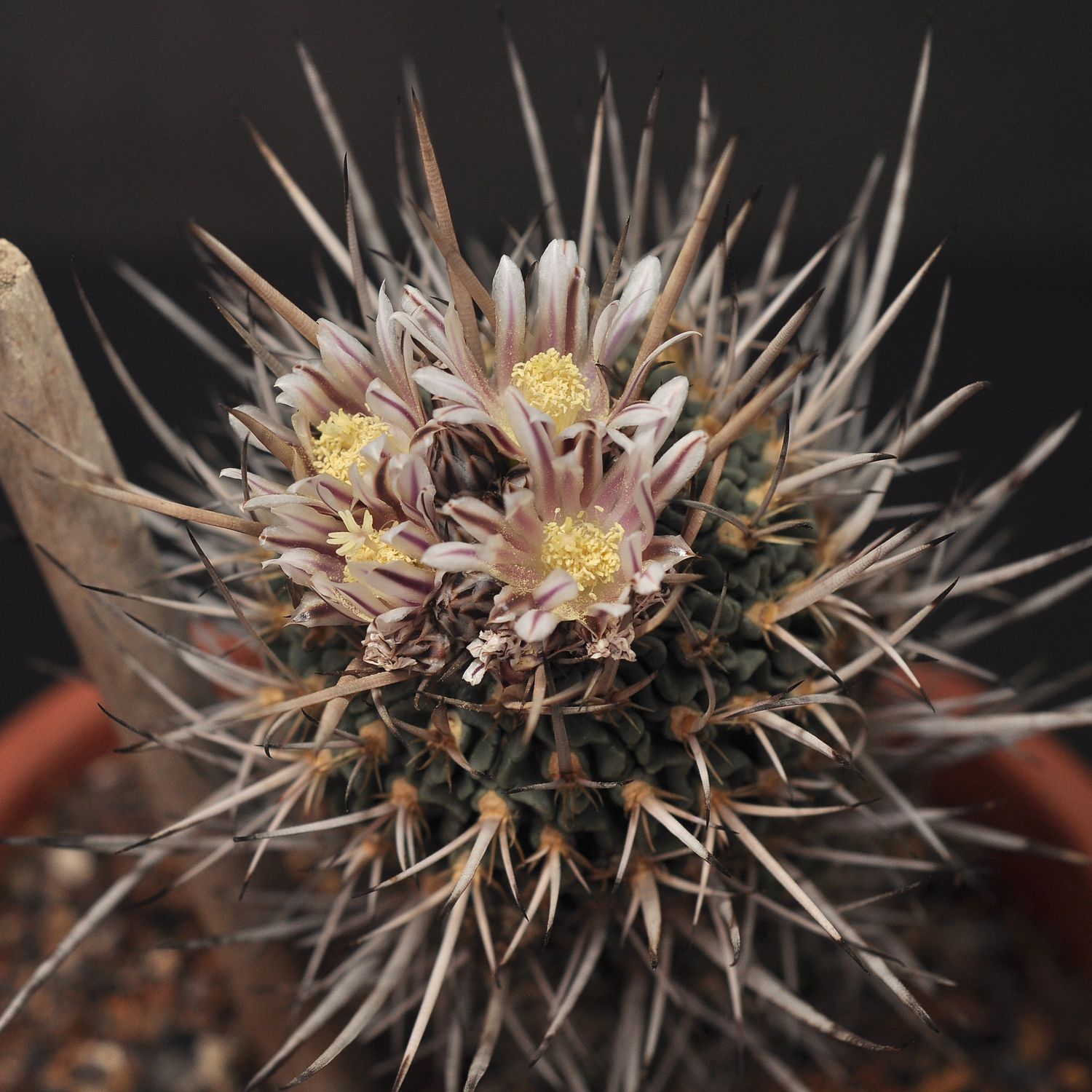
Echinofossulocactus phyllanthus "grandicornis" SB437
Product Details
Spines grow longer with age
The Horned Masterpiece: Echinofossulocactus phyllacanthus "grandicornis" SB437
A rare architectural marvel featuring the most dramatic, blade-like central spines in the genus.
- Origin & History of Name: The genus name stems from the Greek echinos (hedgehog) and the Latin fossula (ditch/furrow), describing its distinctively wavy ribs. The specific epithet phyllacanthus combines phyllon (leaf) and akantha (thorn), while the cultivar name "grandicornis" translates to "large-horned," referencing its prominent upward-pointing spines. The "SB437" designation refers to a specific field collection by botanist Steven Brack.
- Morphology: This cactus is defined by its deep, narrow costae (ribs) that appear intensely wavy or ruffled. The epidermis is a muted grey-green, providing a backdrop for its most striking feature: three to five flattened, papery radial spines and one exceptionally long, widened central spine that mimics a dagger or horn.
- Habitat & Origin: This is a wild-type variety originating from the high-altitude Chihuahuan Desert in Mexico. This specific accession (SB437) is sourced from sustainable nursery-propagated stock, ensuring no wild populations are disturbed while maintaining the genetic integrity of the locality-specific form.
- Cultivation Profile:
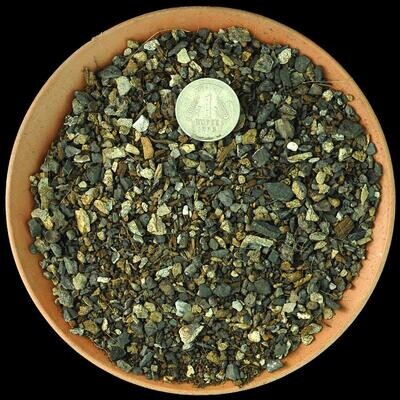
- Substrate: A strictly mineral-based mix (70% grit/pumice, 30% organic matter). Avoid standard potting soil to prevent root rot.
- Light: Requires bright, direct sunlight to develop thick spines. In extreme Indian summers (April–June), provide 30% shade cloth to prevent scorching.
- Water/Dormancy: Water thoroughly when the substrate is bone-dry during the growing season. Maintain strict drought during the winter months and monsoon humidity to prevent fungal issues.
- Scientific/Historical Anecdote: This genus is often referred to by collectors as Stenocactus. The "wavy" ribs are an evolutionary adaptation; by increasing the surface area of the plant body without increasing its volume, the cactus can dissipate heat more efficiently and expand rapidly to store water during infrequent desert cloudbursts.
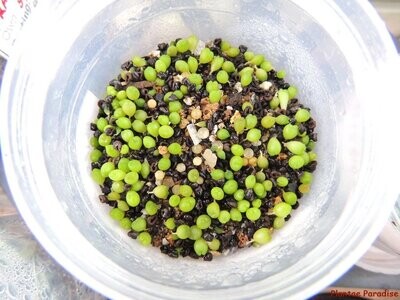
Cactus Seed Planting Mix
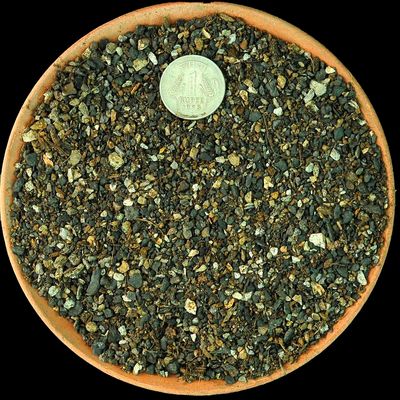
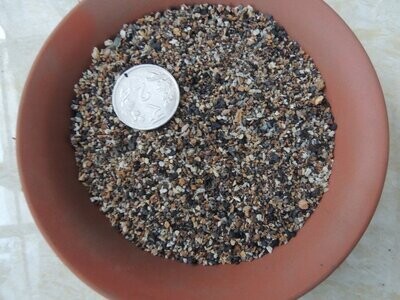
Cactus Seed Planting Mix
Sterile, Fine-Grain Media for Cactus & Succulent Seeds
SKU MNS005
₹74.85
New


Monsoon Guardian Kit (5 in 1)
Monsoon Guardian Kit (5 in 1)
Complete 5-in-1 biological protection kit for cacti & succulents
SKU MNS024
₹850.00