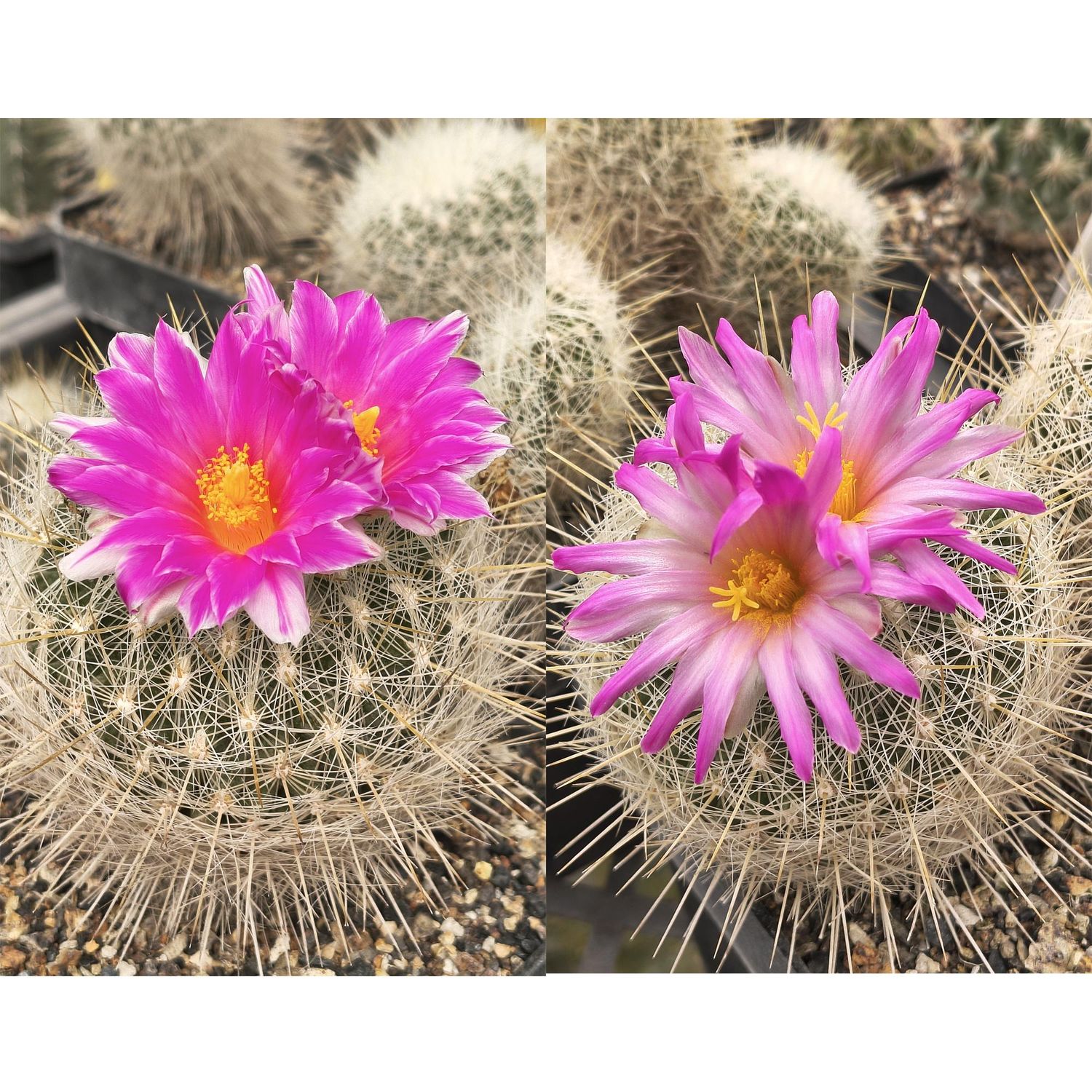
Echinomastus macdowelii: The Resilient Jewel of the Desert
1. Origin of Name:
The genus "Echinomastus" comes from the Greek “echinos,” meaning hedgehog or sea urchin, reflecting the plant’s spiny, textured surface, and “mastos,” meaning breast or swelling, referencing the growth form. The species "macdowelii" honors the American botanist Charles MacDowell, who extensively studied and collected cacti in southwestern North America during the early 20th century. The name signifies both the plant’s characteristic spiny appearance and its tribute to a key figure in cactus taxonomy. The genus name underscores the plant’s rugged, defensive exterior, while “macdowelii” recognizes the dedicated botanist behind its discovery and classification.
2. Origin of Plant:
Echinomastus macdowelii is native to the arid, rocky deserts of southwestern Texas and northern Mexico—specifically thriving in the Chihuahuan Desert region. First described in the early 1900s following the explorations of American botanists and plant collectors, it is adapted to survive harsh, nutrient-poor soils, intense sunlight, and extreme temperature fluctuations. Its discovery was part of a broader effort to document the native cacti of North America, with MacDowell and colleagues collecting specimens during expeditions to uncover the region’s unique desert flora.
3. Description:
This striking cactus features a compact, globular or columnar form that typically reaches up to 6 inches tall but can extend to a few feet with age. Its surface is covered with a dense coat of short, sharp spines that radiate outward, giving it a bristly, almost hedgehog-like appearance. It blooms in spring or early summer with showy, vibrant pink to reddish flowers that bloom at the top, standing out beautifully against the dark spines. The flowers are large relative to the plant’s size and give off a subtle fragrance, attracting pollinators in its native habitat. The plant’s ornamental appeal lies in its intriguing texture, vibrant flowers, and resilience, making it an excellent choice for collectors and xeriscape enthusiasts.
4. Conservation Status:
Echinomastus macdowelii is considered a species of concern largely due to habitat destruction and illegal collection in some regions. It is not yet listed as threatened or endangered on a global scale, but local populations are vulnerable. Conservation efforts focus on habitat preservation and promoting responsible cultivation practices. Cultivating this species in botanical gardens and responsibly sourced nurseries helps safeguard its future and educate enthusiasts on its ecological importance.
5. Care:
To cultivate Echinomastus macdowelii successfully, follow these tips:
- Watering: Water sparingly, allowing the soil to dry out completely between waterings. It is drought-tolerant and prone to root rot if overwatered.
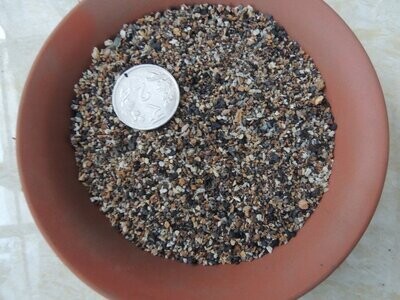
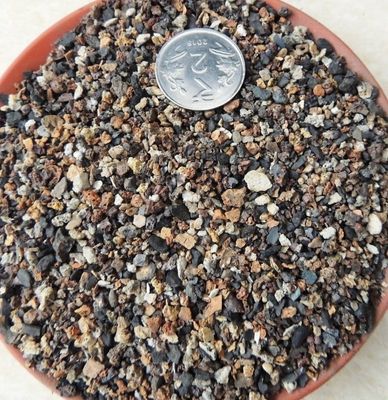
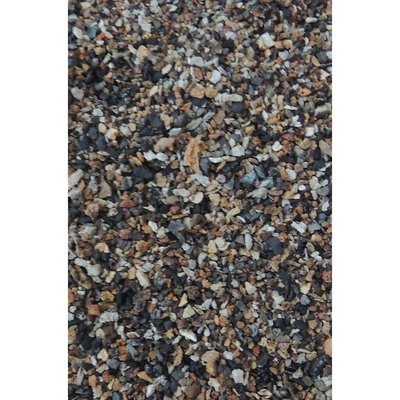
- Soil: Use a gritty, well-draining cactus or succulent mix, with added coarse sand or gravel to imitate its natural rocky terrain.
- Light: Needs full sun to thrive. At least 6 hours of direct sunlight daily will promote healthy growth and flower production.
- Temperature: Prefers warm, arid conditions, thriving between 65°F and 85°F (18°C - 29°C). Protect from frost and cold temperatures, especially during winter.
- Tips: Fertilize lightly during the active growing season with a balanced cactus fertilizer diluted to half strength. Handle carefully due to its spines. Repot every 2-3 years to prevent root-bound growth and to refresh the soil.
Interesting Anecdote:
Native American tribes and early explorers considered cacti like Echinomastus macdowelii vital survival resources, often using their spines for tools and their flowers to attract pollinators in the long, arid desert days. Historically, explorers who first documented this species marveled at its resilience, sometimes calling it a symbol of endurance in the harsh desert landscape—an unassuming yet vital jewel of the desert ecosystem. Today, this cactus continues to inspire with its hardy nature and striking appearance, embodying the rugged beauty of the desert highlands.