

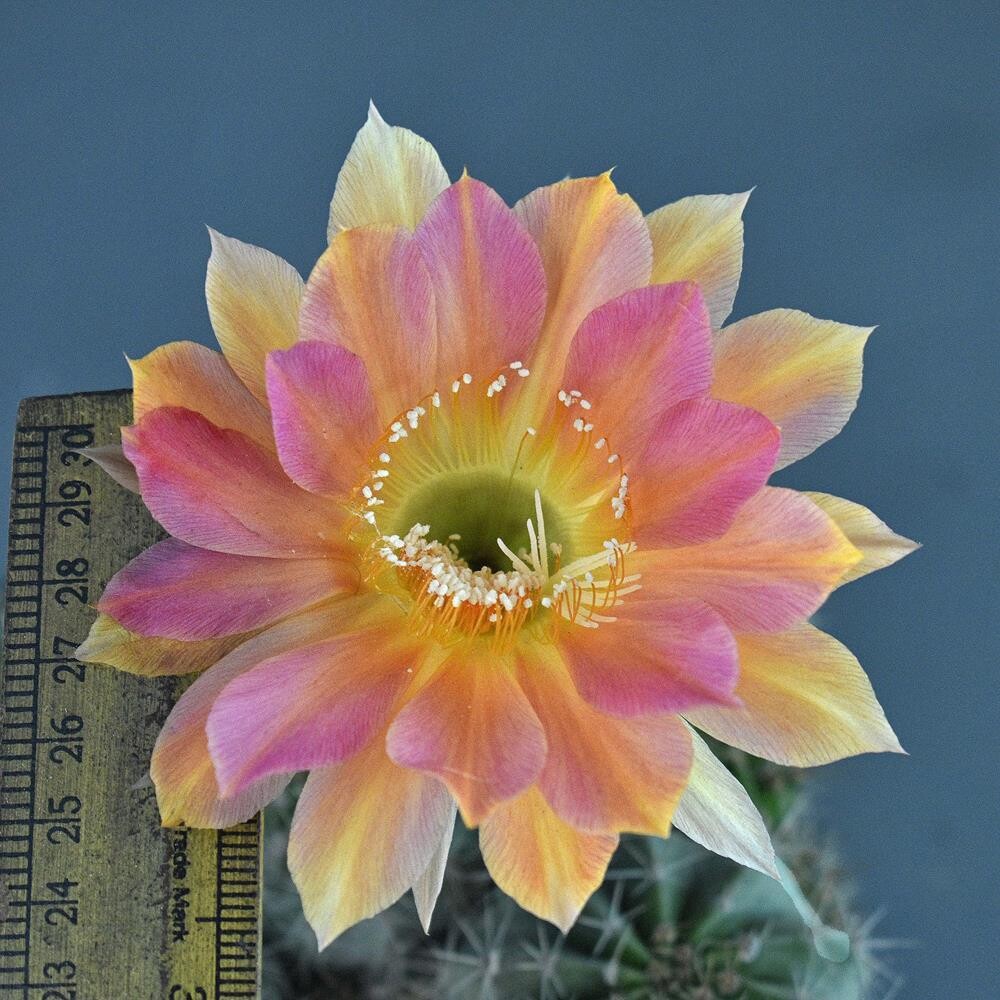
Echinopis hybrid Ziba
Product Details
Chromatic Brilliance: Echinopsis hybrid 'Ziba'
An elite collector’s specimen distinguished by its complex multi-tonal gradient and high floral saturation.
- Origin & History of Name: The genus name Echinopsis combines the Greek echinos (hedgehog) and opsis (appearance), referencing the plant's spiny, globose form. The cultivar name 'Ziba' is derived from the Persian word for "beautiful" or "elegant," a tribute to the symmetry and aesthetic harmony of its multi-layered floral structure.
- Morphology: This hybrid features a robust, ribbed epidermis (outer skin) with well-defined costae (vertical ribs) that facilitate expansion during water uptake. Its primary appeal lies in the large, diurnal bloom: a dense arrangement of petals exhibiting a sunset gradient, transitioning from deep peripheral pinks to a vivid orange mid-zone, anchored by a lime-green perianth center.
- Habitat & Origin: 'Ziba' is a man-made cultivar, the result of selective hybridization designed to maximize floral diameter and color complexity. While its ancestors originate from the Andean regions of South America, this specific hybrid was developed in a controlled nursery environment. Our specimens are propagated via sustainable offsets to ensure genetic purity and reduce pressure on wild populations.
- Cultivation Profile:
- Substrate: Use a strictly mineral-based mix (60% coarse grit or pumice, 40% organic matter) to prevent root rot in humid Indian climates.
- Light: Requires bright, filtered sunlight. In the Indian subcontinent, provide 30-50% shade cloth during peak summer (April–June) to avoid scorching the epidermis.
- Water/Dormancy: Follow a "soak and dry" cycle. Reduce watering significantly during the winter months (November–February) to induce vernalization, which is essential for triggering spring blooms.
- Scientific/Historical Anecdote: Echinopsis species were historically classified under several genera, including Trichocereus and Lobivia. It was the German botanist Joseph Gerhard Zuccarini who first described the genus in 1837. Modern breeding has harnessed the "night-blooming" genetics of South American ancestors to create day-blooming hybrids like 'Ziba' that maintain their structural integrity for up to 48 hours.
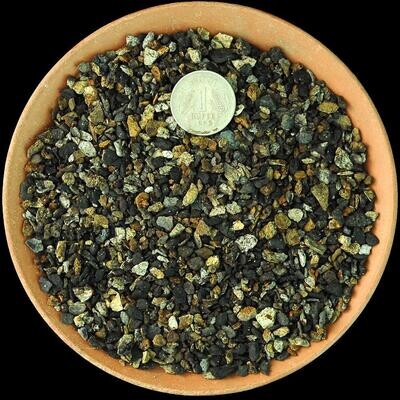
Cactus & Succulent Planting Mix COARSE (aka Cactus Soil Mix or Succulent Soil Mix)
Cactus & Succulent Planting Mix COARSE (aka Cactus Soil Mix or Succulent Soil Mix)
Washed, Free-Draining Mineral Mix for Cactus & Succulents
SKU MNS003
₹44.85
New

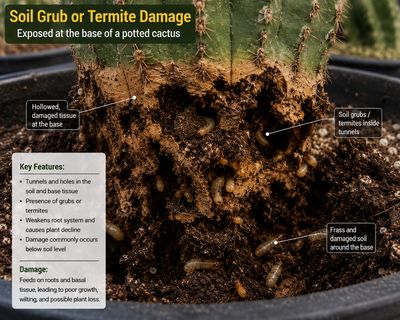
Monsoon Guardian Kit (5 in 1)
Monsoon Guardian Kit (5 in 1)
Complete 5-in-1 biological protection kit for cacti & succulents
SKU MNS024
₹850.00
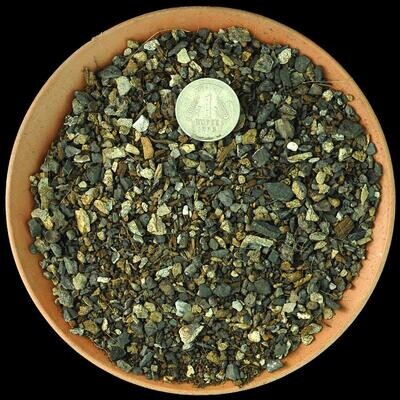
Cactus Seed Planting Mix
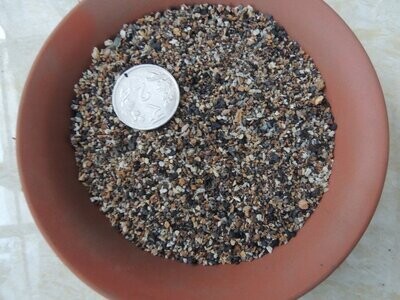
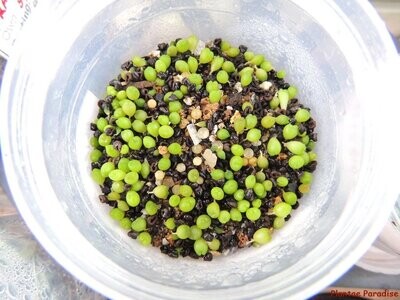
Cactus Seed Planting Mix
Sterile, Fine-Grain Media for Cactus & Succulent Seeds
SKU MNS005
₹74.85