

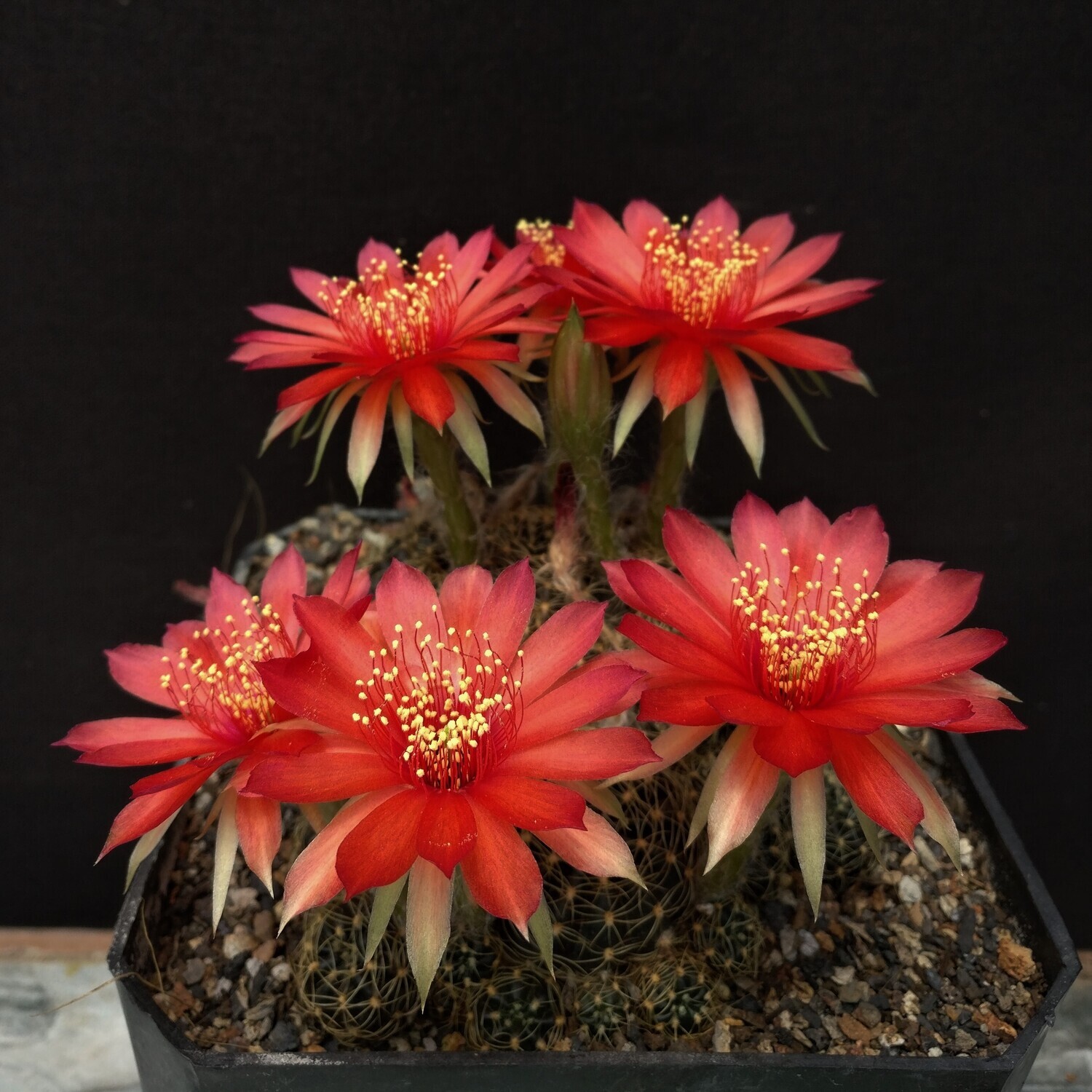
Echinopsis ancistriphora ssp arachanantha RED
Product Details
Crimson Arachnid Radiance: Echinopsis ancistriphora ssp. arachnacantha (Red)
A high-contrast botanical marvel featuring spider-like spination and vibrant, trumpet-shaped blooms with golden-tipped accents.
- Origin & History of Name: The genus name Echinopsis stems from the Greek echinos (hedgehog) and opsis (appearance). The subspecies name arachnacantha is derived from the Greek arachne (spider) and akantha (spine), referencing its distinctive curved spines. Originally described by botanist Martin Cárdenas in the mid-20th century, the "Red" designation identifies this specific color morph within the taxon.
- Morphology: This taxon is characterized by a globose to slightly depressed epidermis of dark green to bronze. It features distinct costae (ribs) adorned with small areoles. Its most striking feature is the radial spination, which is pectinately arranged and curved inward to resemble spider legs. The flowers are large, infundibuliform (trumpet-shaped), exhibiting a deep red saturation with orange gradients and prominent, pollen-rich stamens.
- Habitat & Origin: This is a wild species native to the eastern Andes in Bolivia, specifically within the departments of Santa Cruz and Chuquisaca. It typically grows in grassy openings or rocky outcrops. Our specimens are ethically sourced through nursery propagation, ensuring the protection of wild populations and long-term environmental sustainability.
- Cultivation Profile:
- Substrate: Use a strictly mineral-based mix (60% pumice/perlite, 40% coarse sand/grit) with minimal organic matter to prevent root rot in high humidity.
- Light: Requires bright, filtered sunlight. In the Indian subcontinent, provide 40-50% shade cloth protection during peak summer afternoons to prevent epidermal scorching.
- Water/Dormancy: Follow a "drench and dry" cycle during the monsoon and summer. Maintain strict winter dormancy from November to February by withholding water entirely to trigger spring flowering.
- Scientific/Historical Anecdote: Unlike many Echinopsis species that bloom at night (vespertine) to attract hawkmoths, Echinopsis arachnacantha is diurnal, meaning its flowers open during the day. This evolutionary shift allows it to utilize bees and butterflies as primary pollinators, resulting in the more vivid, light-reactive pigments found in its petals.
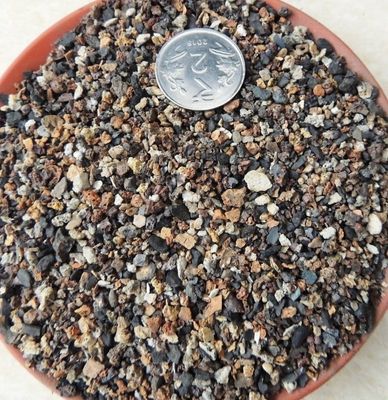
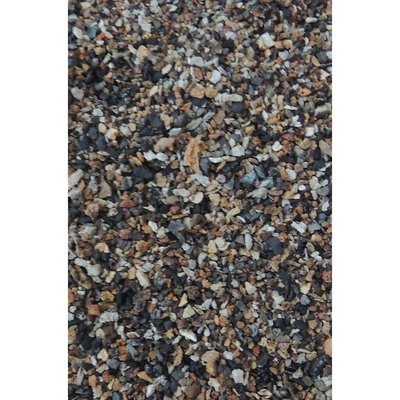
Cactus & Succulent Planting Mix FINE (aka Cactus Soil Mix or Succulent Soil Mix)
Cactus & Succulent Planting Mix FINE (aka Cactus Soil Mix or Succulent Soil Mix)
Fine-Grain Potting Mix for Cactus & Succulent Roots
SKU MNS001
₹39.85
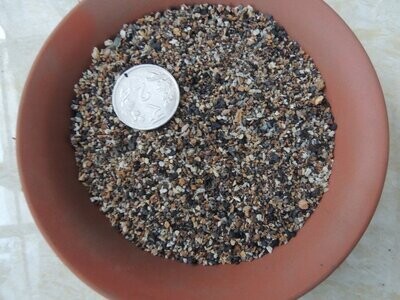
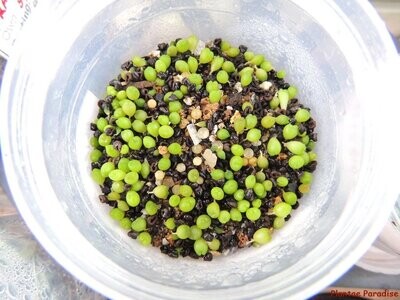
Cactus Seed Planting Mix
Cactus Seed Planting Mix
Sterile, Fine-Grain Media for Cactus & Succulent Seeds
SKU MNS005
₹74.85
New
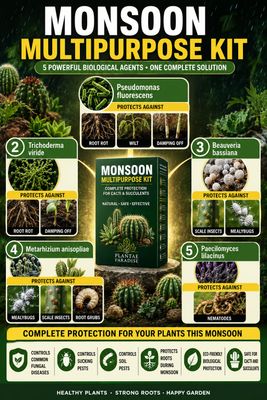
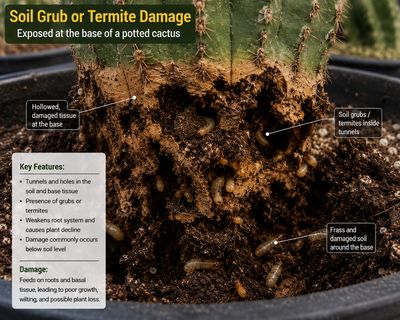
Monsoon Guardian Kit (5 in 1)
Monsoon Guardian Kit (5 in 1)
Complete 5-in-1 biological protection kit for cacti & succulents
SKU MNS024
₹850.00
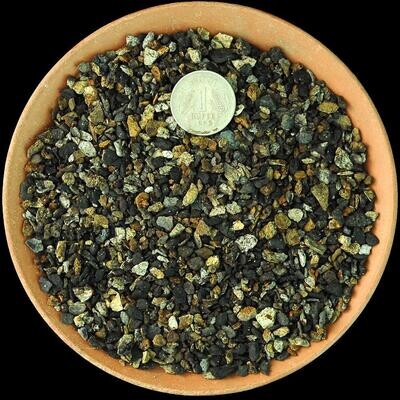
Cactus & Succulent Planting Mix COARSE (aka Cactus Soil Mix or Succulent Soil Mix)
Cactus & Succulent Planting Mix COARSE (aka Cactus Soil Mix or Succulent Soil Mix)
Washed, Free-Draining Mineral Mix for Cactus & Succulents
SKU MNS003
₹44.85