

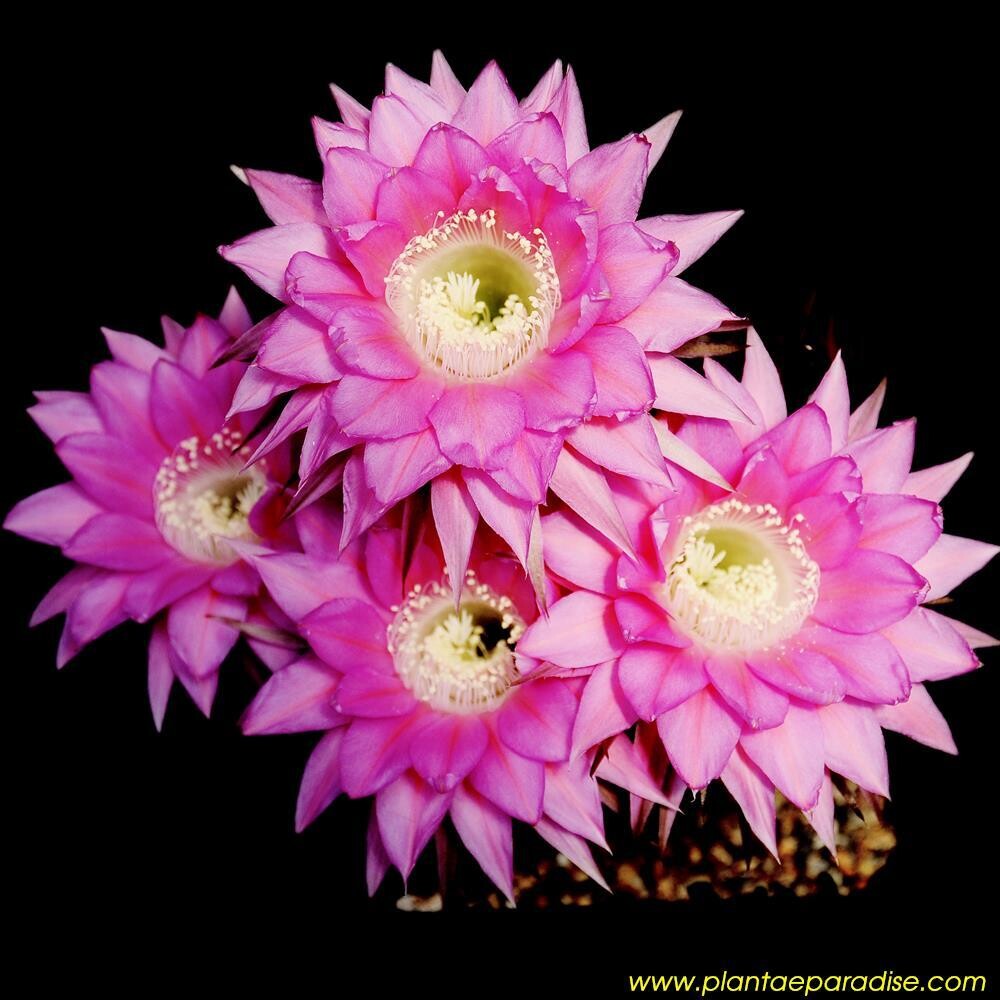
Echinopsis Hybrid Belleza Morada
Product Details
Radiant Violet Perfection: Echinopsis Hybrid ‘Belleza Morada’ An exquisite collector’s hybrid distinguished by its intense saturation and high-frequency floral display.
- Origin & History of Name: The name is derived from the Greek echinos (hedgehog) and opsis (appearance), referring to the plant's spiny, globose form. The cultivar name ‘Belleza Morada’ is Spanish for "Purple Beauty," a nomenclature chosen by hybridizers to highlight the specific anthocyanin density in the petals, which produces a deeper violet hue than standard Echinopsis varieties.
- Morphology: This specimen features a cylindrical epidermis with 10–12 pronounced costae (ribs). The areoles are closely set, bearing short, radial spines that provide a structural contrast to its soft, funnel-form blooms. The flowers are notable for their multi-layered perianth segments and a high pollen-to-petal ratio, typical of advanced Echinopsis breeding.
- Habitat & Origin: ‘Belleza Morada’ is a cultivated hybrid (cultivar) and does not exist in the wild. It stems from selective breeding programs focused on "Schick hybrids," which cross-breed South American species like E. chamaecereus and E. aurea. Our specimens are propagated via sustainable vegetative offsets to ensure genetic purity and reduce pressure on wild populations.
- Cultivation Profile:
- Substrate: A strictly mineral-based, porous mix (50% crushed brick or pumice, 25% coarse river sand, 25% organic compost). Avoid standard garden soil.
- Light: Requires bright, filtered sunlight. In the Indian subcontinent, protect from harsh afternoon sun (12 PM – 4 PM) to prevent epidermal scorching.
- Water/Dormancy: Follow a "soak and dry" cycle during the monsoon and summer. Maintain strict winter dormancy from November to February by withholding water entirely to trigger spring budding.
- Scientific/Historical Anecdote: The genus Echinopsis was the subject of early 20th-century botanical fascination due to its "vespertine" blooming nature. Many original species were documented by botanists like Joseph Gerhard Zuccarini, who noted that while the flowers are often short-lived (lasting only 24–48 hours), the plant compensates with a massive metabolic investment, producing some of the largest flower-to-body size ratios in the Cactaceae family.
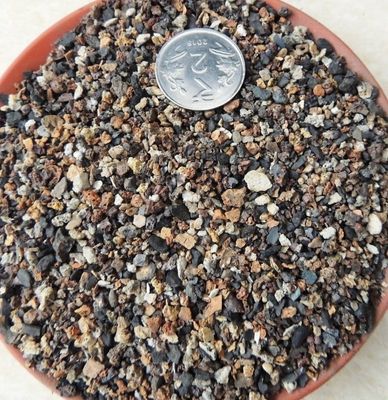
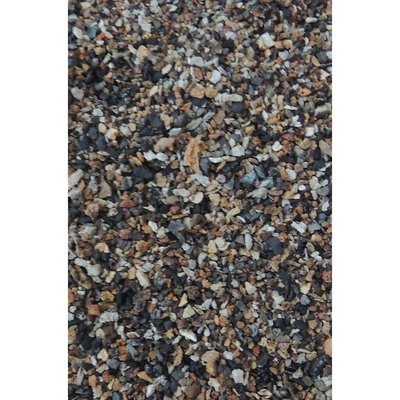
Cactus & Succulent Planting Mix FINE (aka Cactus Soil Mix or Succulent Soil Mix)
Cactus & Succulent Planting Mix FINE (aka Cactus Soil Mix or Succulent Soil Mix)
Fine-Grain Potting Mix for Cactus & Succulent Roots
SKU MNS001
₹39.85
New
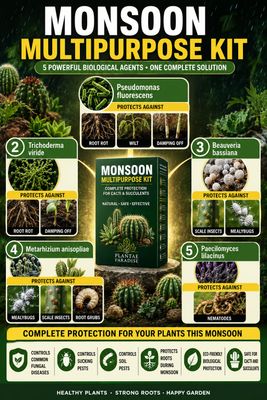
Monsoon Guardian Kit (5 in 1)
Monsoon Guardian Kit (5 in 1)
Complete 5-in-1 biological protection kit for cacti & succulents
SKU MNS024
₹850.00

Cactus & Succulent Planting Mix COARSE (aka Cactus Soil Mix or Succulent Soil Mix)
Cactus & Succulent Planting Mix COARSE (aka Cactus Soil Mix or Succulent Soil Mix)
Washed, Free-Draining Mineral Mix for Cactus & Succulents
SKU MNS003
₹44.85
