

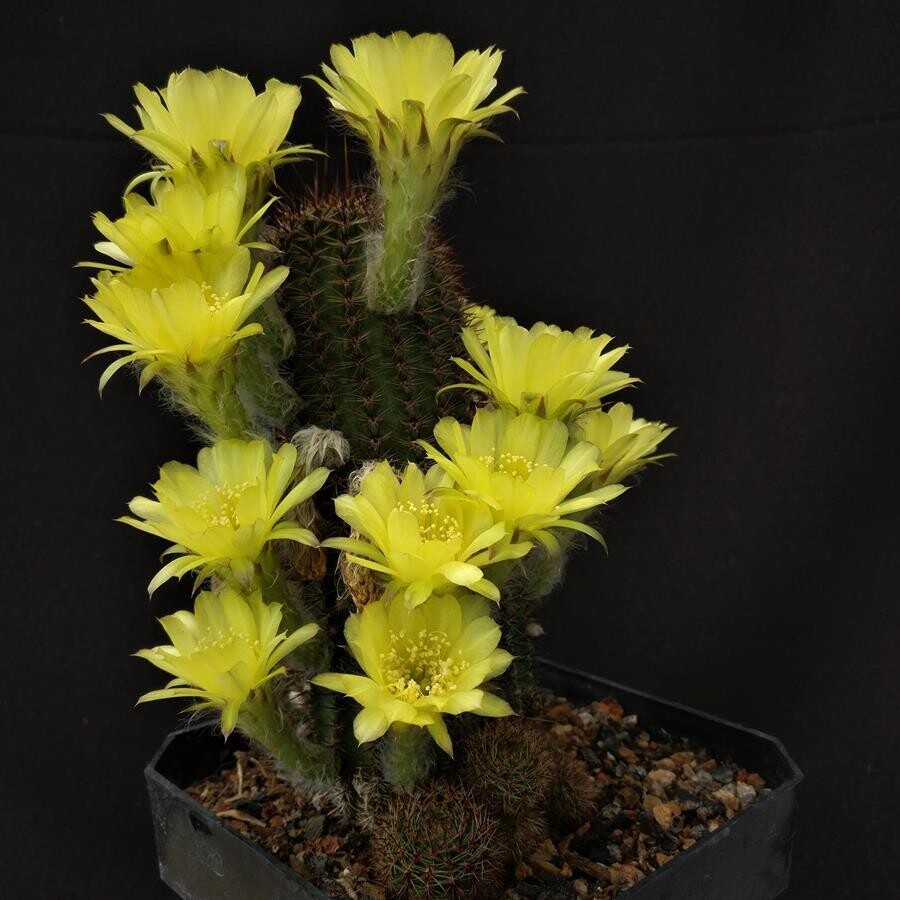
Echinopsis hybrid Blissfull Yellow
Product Details
Solar Brilliance: Echinopsis hybrid 'Blissful Yellow'
A high-fecundity hybrid renowned for its luminous, lemon-toned floral canopy and exceptional blooming frequency.
- Origin & History of Name: The genus name Echinopsis is derived from the Greek echinos (sea urchin or hedgehog) and opsis (appearance), describing the spiny, globose stems. The cultivar name 'Blissful Yellow' is a commercial horticultural designation intended to highlight the high-saturation pigment of the petals and the plant's tendency to produce multiple "cheerful" blooms simultaneously.
- Morphology: This specimen features a cylindrical green epidermis with well-defined vertical costae (ribs) lined with areoles that bear short, protective spines. It is distinct for its lateral blooming habit, where cup-shaped flowers emerge from the sides of the stem rather than the apex. The petals exhibit a ruffled margin, increasing surface area for a more voluminous visual display.
- Habitat & Origin: Echinopsis 'Blissful Yellow' is a man-made cultivar, not a wild species. It is the result of selective cross-breeding within the "Trichocereus-Echinopsis" group, likely developed in professional nurseries in Europe or the US to prioritize floral color over stem size. Commercial propagation via offsets ensures the sustainability of the lineage without depleting wild South American populations.
- Cultivation Profile:
- Substrate: Use a strictly mineral-based mix (60% grit/pumice, 40% organic matter) to prevent root rot in humid Indian climates.
- Light: Requires bright, filtered sunlight. In the Indian subcontinent, provide 40–50% green shade netting during peak summer (April–June) to prevent epidermis scorch.
- Water/Dormancy: Follow a "soak and dry" cycle. In India, restrict water during the winter (December–January) and the peak monsoon to respect its natural dormancy and prevent fungal pathogens.
- Scientific/Historical Anecdote: Historically, Echinopsis species were among the first cacti to be widely hybridized in the 19th century. They are famously known as "Easter Lily Cacti" because of their massive, trumpet-shaped flowers. Interestingly, while many wild Echinopsis are nocturnal bloomers pollinated by moths, modern hybrids like 'Blissful Yellow' have been bred to remain open longer during daylight hours for human enjoyment.
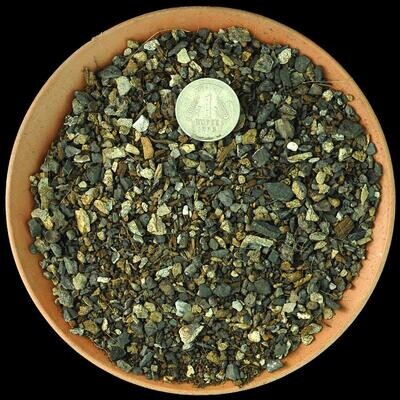
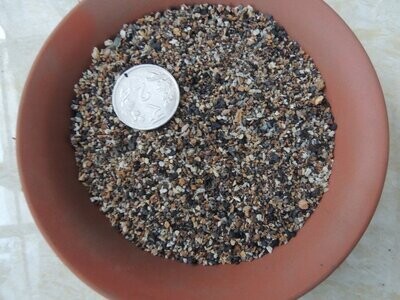
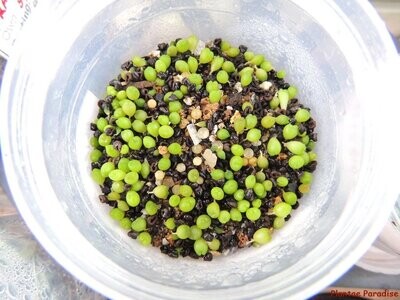
Cactus Seed Planting Mix
Cactus Seed Planting Mix
Sterile, Fine-Grain Media for Cactus & Succulent Seeds
SKU MNS005
₹74.85
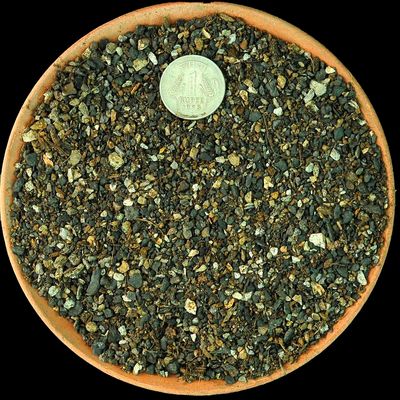
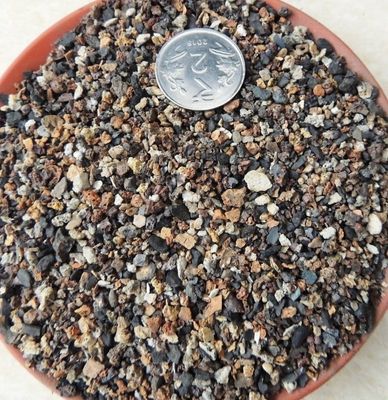

Cactus & Succulent Planting Mix FINE (aka Cactus Soil Mix or Succulent Soil Mix)
Cactus & Succulent Planting Mix FINE (aka Cactus Soil Mix or Succulent Soil Mix)
Fine-Grain Potting Mix for Cactus & Succulent Roots
SKU MNS001
₹39.85