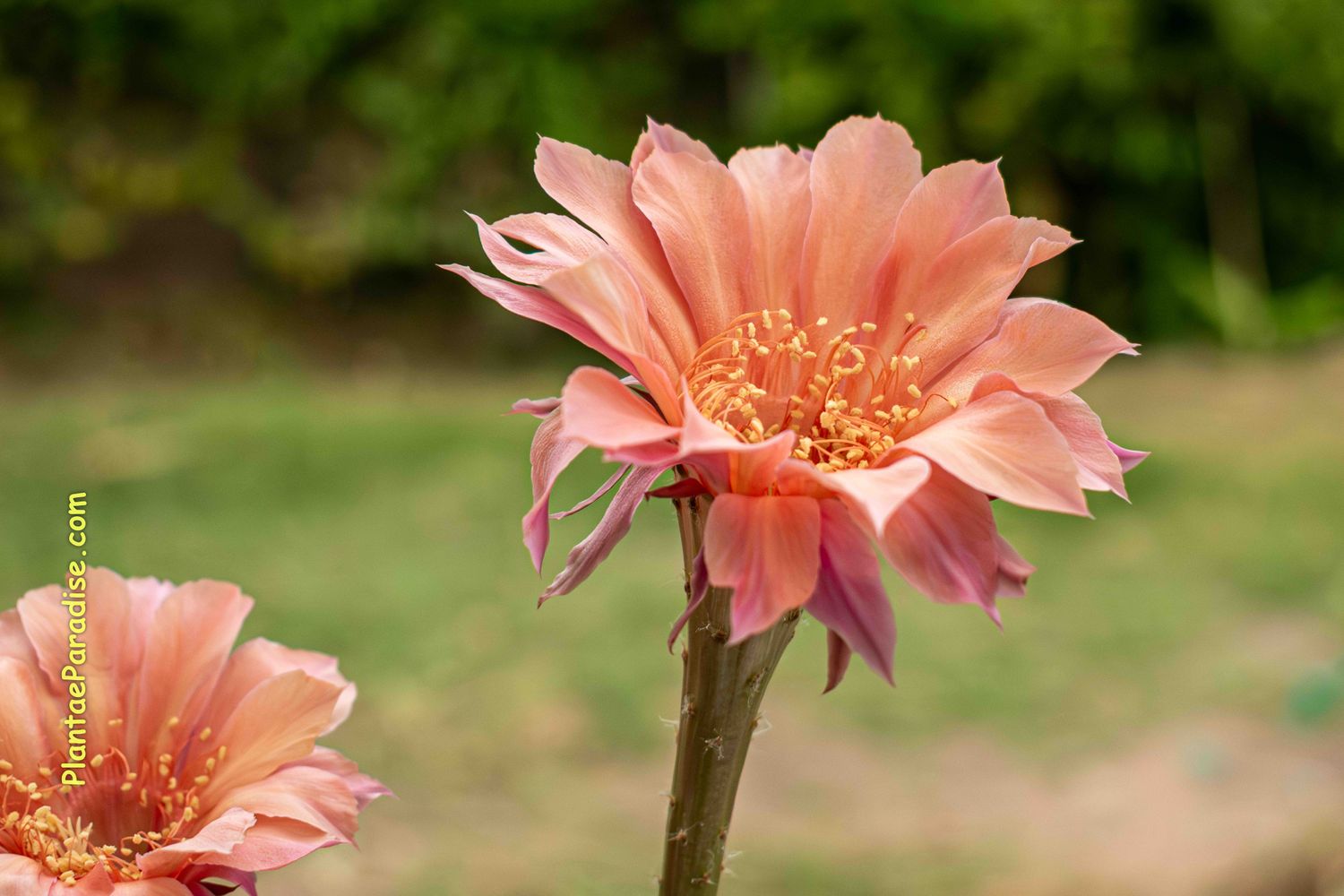
A soft-focus sunset in cactus form: wide, silky salmon-peach petals that blush coral at the heart and fade to dusky rose-mauve at the outer edges, held aloft on a long slender tube and crowned with a ring of golden anthers. Echinopsis hybrid ‘E1’ is a quietly sophisticated bloom for collectors who prefer elegance over shock value.
Origin of Name
‘E1’ isn’t a fanciful cultivar name. It’s a breeder’s seedling code, a convention common among Echinopsis and Lobivia hybridizers, who may raise hundreds of seedlings from a single cross and track the keepers by a letter-and-number designation rather than naming each one. The “E” typically marks the cross or batch and the number marks the individual selection. No formally published breeding record for this particular clone is in the wider literature; like many coded hybrids, it circulates among growers on the strength of its flower alone.
The genus name Echinopsis was coined by German botanist Joseph Gerhard Zuccarini in 1837, from the Greek echinos (“hedgehog” or “sea urchin”) and -opsis (“resembling”), after the spiny, rounded bodies typical of the group. Over the past century the genus has absorbed or been merged with relatives such as Trichocereus and Lobivia, and its taxonomy is still debated. In horticulture, though, “Echinopsis hybrid” reliably means one thing: big, showy flowers on a compact, easy-going cactus. The group’s popular common name, “Easter lily cactus,” comes from the trumpet-shaped blooms and their spring flowering season.
Origin of Plant
As a garden-bred hybrid, ‘E1’ has no wild habitat of its own. Its ancestry traces to wild Echinopsis species of South America, found across Argentina, Bolivia, Paraguay, Uruguay, southern Brazil, and the Andean foothills, where they grow on grasslands, scrubby slopes, and rocky ground. Starting with Harry Johnson’s work in California in the mid-20th century and continuing through Robert Schick and today’s breeders in Europe and Southeast Asia, hybridizers have crossed these lines for larger flowers, richer and more unusual colors, and longer flowering. ‘E1’ belongs to that lineage.
Description
The plant is a modest, ribbed, globular-to-short-columnar green stem with neat areoles and short spines. It offsets with age into a small cluster.
The flower is the main event. A long, slender, olive-to-bronze floral tube with fine hairs and bristles at the areoles rises well clear of the body and ends in a broad, fully open bloom of many layered, satin-textured petals. The inner petals are warm salmon-peach, deepening to coral toward the throat. The outer petals are narrower, with pointed tips that curl back gracefully, and are washed in rose-pink to dusky mauve. This creates a two-tone, layered effect that shifts with the light. A dense ring of salmon filaments, tipped with pale golden-yellow anthers, fills the center. As with most of the group, each flower lasts about a day or two, but a healthy plant can produce fresh buds in successive flushes from spring through summer.
Conservation Status
As a cultivated hybrid propagated from offsets, ‘E1’ has no IUCN Red List assessment. Its wild Echinopsis ancestors are mostly not considered threatened. Like nearly all cacti, the family is listed under CITES Appendix II, which regulates international trade in wild-collected plants. Artificially propagated hybrids like this one are nursery stock, which makes them a responsible, sustainable choice.
Care
- Light: Bright light is essential for flowering. Give it several hours of direct sun, with light shade during the harshest midday heat in very hot summers.
- Watering: Water deeply from spring to early autumn and let the soil dry out completely between waterings. In winter, keep it almost dry.
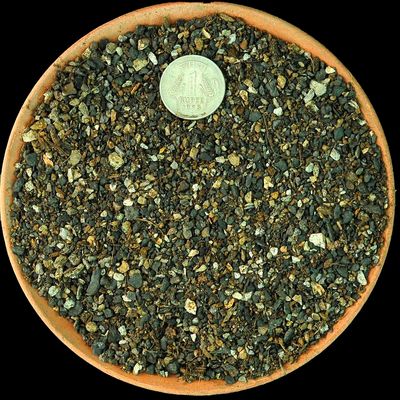
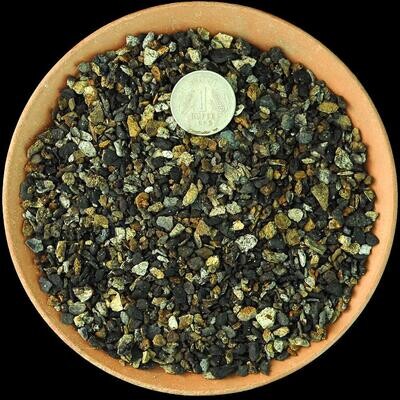
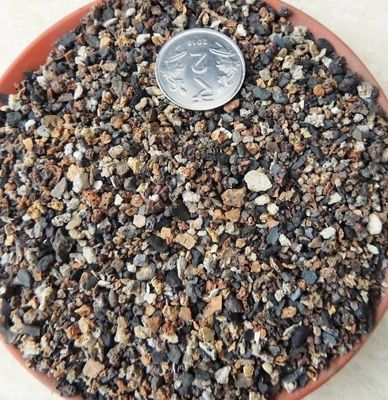
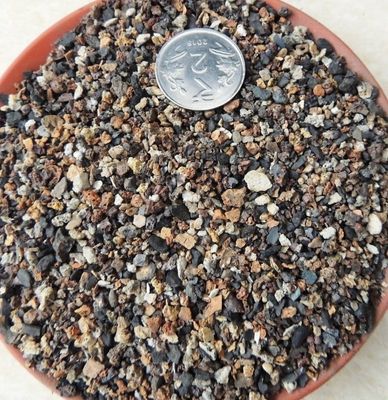
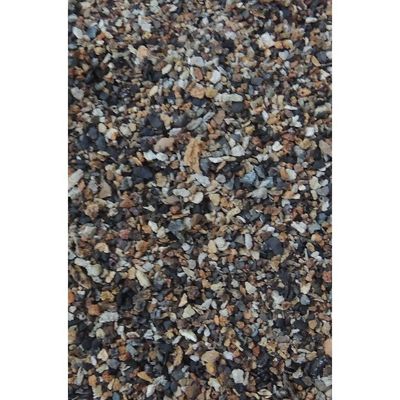
- Soil: A fast-draining, gritty cactus mix, for example potting soil with generous pumice, perlite, or coarse sand.
- Pot: Terracotta or another breathable pot with a drainage hole. Choose a pot only slightly wider than the plant.
- Temperature: Thrives in warm weather. Keep it dry and frost-free in winter. A cool, dry winter rest of about 5–10°C encourages strong bud set.
- Feeding: Use a diluted, low-nitrogen cactus fertilizer every 3–4 weeks during the growing season.
- Tip: Propagate from offsets to keep this exact flower. Seed from a hybrid won’t come true.
A Story Worth Telling
Many of the world’s most admired Echinopsis hybrids began life just as ‘E1’ did, as a code on a plant label. Breeders working through big seedling batches let only a handful of plants “graduate” to a marketed name, usually after years of proving they grow reliably as well as bloom beautifully. Some never get renamed at all; their codes simply stick as collectors share offsets. In a sense, growing a coded hybrid puts you close to the breeding bench, sharing a selection that stood out among hundreds of siblings, and its peach-and-mauve blooms show why it was kept.