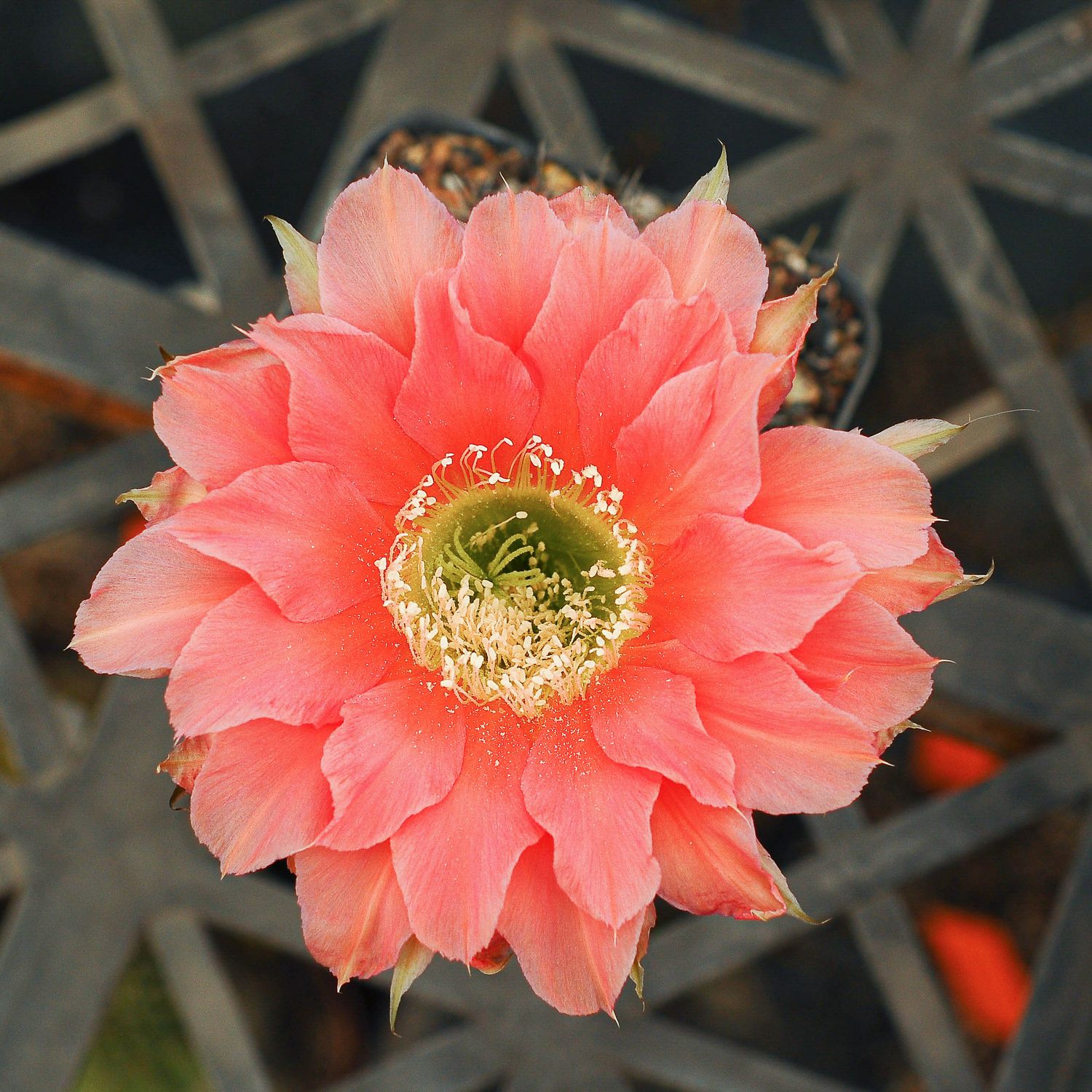
Echinopsis hybrid ESP 72-107
Product Details
Coral Spectrum: Echinopsis hybrid 'ESP 72-107'
An elite collector’s hybrid distinguished by its high-contrast lime-green throat and ruffled coral-pink serration.
- Origin & History of Name: The genus name Echinopsis combines the Greek echinos (hedgehog) and opsis (appearance). The designation 'ESP 72-107' is a technical breeder’s code used for precise identification within specialized hybridizing programs. Such alphanumeric labels indicate a specific lineage and cross-reference a documented pedigree, ensuring buyers receive a genetically stable clone rather than a generic seedling.
- Morphology: This hybrid exhibits a classic globose to cylindrical epidermis with prominent, symmetrical costae (ribs). The floral structure is highly specialized; it features fimbriate or ruffled coral-pink petals that create a textured, multi-dimensional appearance. These surround a vivid lime-green perianth center and a dense, organized ring of ivory stamens, providing a striking tri-color contrast.
- Habitat & Origin: 'ESP 72-107' is a cultivar of complex hybrid origin, specifically bred for its unique floral characteristics. It does not occur in nature. All specimens are produced through sustainable vegetative propagation (cloning), which preserves the unique "ESP" genetic traits while preventing the illegal trade of wild-collected South American species.
- Cultivation Profile:
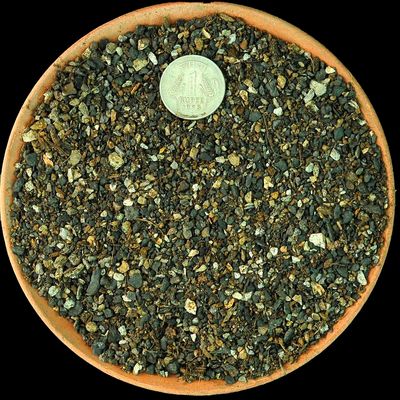
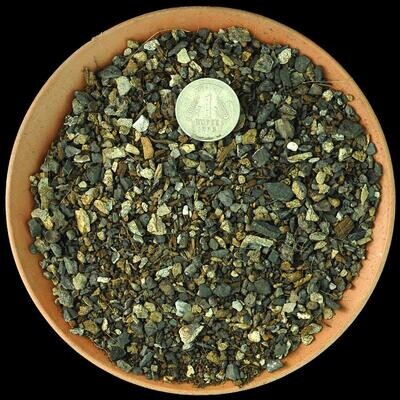
- Substrate: Utilize a mineral-rich, well-draining medium consisting of 60% inorganic materials (scoria, coarse sand, or pumice) and 40% organic compost.
- Light: Requires intense, filtered light. In the Indian subcontinent, provide 50% shade protection during the extreme heat of May and June to avoid burning the rib crests.
- Water/Dormancy: Follow a strict soak-and-dry protocol during the growing season. Ensure the plant remains bone-dry during the winter (November–February) to simulate the high-altitude Andean drought necessary for bloom induction.
- Scientific/Historical Anecdote: Many Echinopsis hybrids, including the ESP line, trace their lineage back to the pioneering work of breeders like Robert Schick. These plants are scientifically notable for their "nocturnal-diurnal" transition; while many ancestral species bloom only at night to attract moths, modern hybrids like 'ESP 72-107' have been bred to remain open well into the day, maximizing their visual impact for collectors.
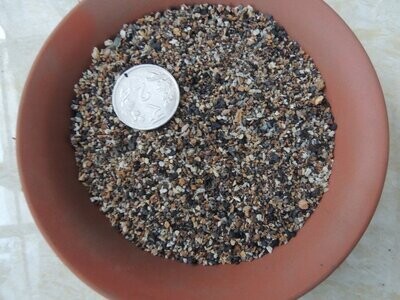
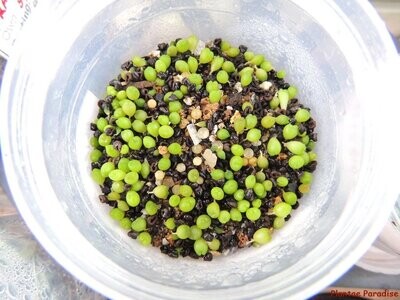
Cactus Seed Planting Mix
Cactus Seed Planting Mix
Sterile, Fine-Grain Media for Cactus & Succulent Seeds
SKU MNS005
₹74.85
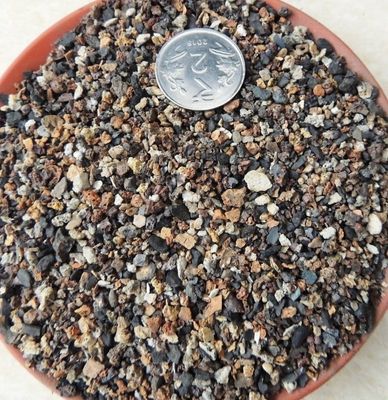
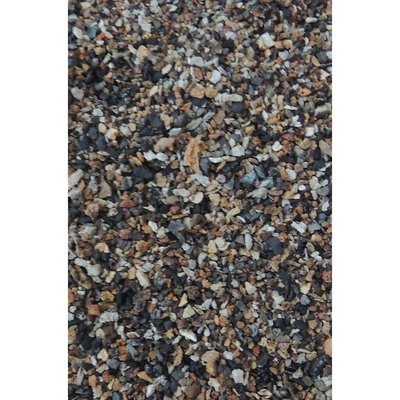
Cactus & Succulent Planting Mix FINE (aka Cactus Soil Mix or Succulent Soil Mix)
Cactus & Succulent Planting Mix FINE (aka Cactus Soil Mix or Succulent Soil Mix)
Fine-Grain Potting Mix for Cactus & Succulent Roots
SKU MNS001
₹39.85